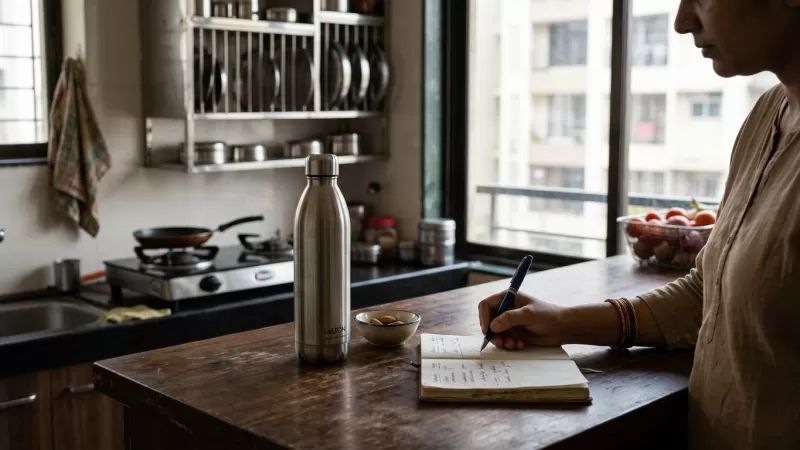
Some mornings in Indian homes begin with a heavy feeling—the kind that lingers after a night of interrupted or short sleep. It could be from a child’s fever, late office calls, festival preparations, or just the usual tossing and turning many of us quietly endure. When you wake up groggy, stiff, or mentally foggy, it’s easy to slip into a rushed morning, hoping the day will somehow straighten itself out. But those first few hours can make a difference in how you recover, both in body and mind. Let’s walk through some gentle, practical habits that suit real Indian routines—and might help you feel steadier, even when your sleep wasn’t perfect.
Listening to Your Body’s Signals
After a restless night, your body tends to send clear signals. Some people feel neck or back discomfort, others may notice dry eyes or a persistent yawn. For many, there’s a sluggishness that doesn’t fully lift, even after tea or coffee. It’s perfectly normal to experience this from time to time, especially with the demands of Indian family life. The tricky part is, most of us try to push through, ignoring what our body is quietly telling us.
Instead, try taking a minute before getting out of bed. Notice any aches, heaviness, or even a sense of anxiety. Sometimes just stretching your arms and legs while lying down can help you tune in. During summer, you might notice feeling more dehydrated; in winter, joints may feel a little stiff.
Listening doesn’t mean overanalyzing or worrying. It just means slowing down enough to notice what needs attention that morning.
Gentle Starts: Rethinking the Rush
Many Indian homes run on tight morning schedules—school tiffins, office log-ins, and elders’ medicines all clamor for attention. On mornings after poor sleep, it’s tempting to jump straight into the rush. But here’s the thing: your body is already running low, so adding more pressure can make you feel worse as the day progresses.
If possible, give yourself five extra minutes before starting chores or calls. Simple adjustments can help, like letting sunlight into your room, sipping lukewarm water, or just sitting quietly for a moment. Some families quietly practice this pause, though it rarely gets discussed.
There will be days when even these small windows feel impossible. That’s okay—just noticing the difference can help you plan better for next time.
Hydration: Small Sips, Not Big Gulps
After a night of disturbed rest, your body may be slightly dehydrated, especially if you had late-night tea, coffee, or spicy snacks (which is common during festivals or long work calls). Starting your morning with a glass of plain or slightly warm water helps, but try not to gulp it all at once.
Small sips every few minutes are usually easier on the stomach and help wake up your digestive system more gently. Some people add a few drops of lemon or a pinch of jeera (cumin) for taste, but plain water is just fine too. During the hot months, you might prefer room temperature; in winter, a bit of warmth is often soothing.
- Keep a steel or copper bottle on your bedside table for easy access.
- If you drink chai or coffee, try to wait 10-15 minutes after your first water before having your hot beverage.
- Notice how your mouth, lips, and skin feel—these are simple cues about hydration.
It’s a tiny habit, but over time, it becomes second nature.
Choosing the Right Breakfast
After incomplete sleep, your body’s hunger signals can get a bit confused. Sometimes you won’t feel like eating at all; other times, you’ll crave heavy, oily foods. In many Indian homes, breakfast is a quick affair—leftover roti, bread-butter, or a hurried bowl of poha or upma.
On these rough mornings, aim for something light but nourishing. You don’t need to cook a full South Indian spread or fancy continental options. A bowl of moong dal chilla, a banana with some dahi, or a simple besan toast can be gentle on the stomach and steady your energy levels.
Try to avoid very spicy or deep-fried foods right after a bad night. These tend to make you sluggish or give you acidity. If you’re not hungry, that’s fine—just don’t skip liquids.
- Fruits like papaya, pomegranate, or apple are easy to digest.
- Pair your breakfast with a handful of nuts if you like.
- Listen to your body—if you’re really not hungry, just have some warm milk or buttermilk.
No need to force a big meal; the body will ask for food when it’s ready.
Movement: Gentle Over Intense
There’s a lot of talk these days about morning walks, yoga routines, or even home workouts. After a restless night, however, pushing yourself into a hard exercise can backfire, leaving you even more exhausted. Gentle movement is often the better choice.
Some people find relief with slow stretching—reaching arms overhead, gentle neck rolls, or a few rounds of slow Surya Namaskar. You don’t have to do a full session; even five minutes is enough. Others simply walk around the house or balcony, taking in the morning sounds.
- Avoid high-intensity routines on days you’re feeling groggy or weak.
- If you have joint pain or dizziness, stick to chair stretches or just walking in place.
- Notice your breath—if you’re short of breath, pause and rest.
It’s not about burning calories; it’s about waking up your body gently.
Managing Mental Fog and Mood
One of the most common effects of poor sleep isn’t physical, but mental. You may feel irritable, anxious, or unable to focus—especially if work or family demands are already high. Many families notice more arguments or forgetfulness after these nights, though it’s rarely spoken about.
Instead of blaming yourself or others, try to accept that your mind’s a little tired. If possible, write down key tasks for the day on a piece of paper or in your phone. This gives your brain less to juggle. Some people find that listening to light music, sitting in the balcony for a few minutes, or doing a short breathing exercise helps clear the fog a little.
It’s okay to ask for help from family members on these days—most people understand, even if they don’t say it out loud.
And if you snap at someone or forget something, try not to be too harsh on yourself. It happens to everyone.
Adapting Chores and Workload
Indian homes are rarely quiet in the mornings. There’s always something—pressure cooker whistles, tiffin packing, elders asking for tea, or the constant notifications from work groups. On days following poor sleep, you might notice chores feeling heavier than usual.
If there’s any way to simplify your workload, even slightly, it can help. Some families do a basic sweep instead of a full mop, or postpone washing bedsheets to another day. Professionals working from home might block out a 10-minute buffer before meetings or keep the first hour for lighter tasks.
- Delegate small jobs to children or other adults if possible.
- Batch similar tasks together—like cutting all vegetables at once, then cooking later.
- Don’t hesitate to use ready mixes, frozen vegetables, or leftover dal when energy is low.
The world won’t stop if you adjust your routine slightly for one day.
The Importance of Small Check-Ins
Throughout the day, especially after a shaky start, it helps to check in with yourself. How’s your energy now? Are you feeling more alert, or is the tiredness lingering? Sometimes, a few minutes of rest in the afternoon, even just closing your eyes, can make a difference.
You might notice your body asking for an earlier lunch, an extra glass of water, or even a short nap if your situation allows. Seniors in many homes naturally rest after lunch; this is not laziness, but wisdom passed down over generations. For working professionals, even a 5-minute break from screens helps.
Pay attention to small cues—headaches, irritability, sudden hunger, or a strong desire for sweets. These are your body’s way of nudging you towards balance.
And remember: recovery from a bad night is a process, not something that happens instantly. Go easy on yourself. Each day brings another chance to reset.