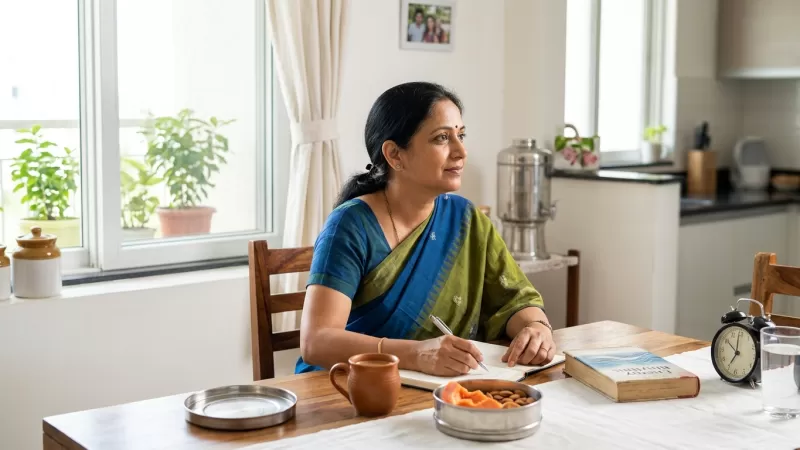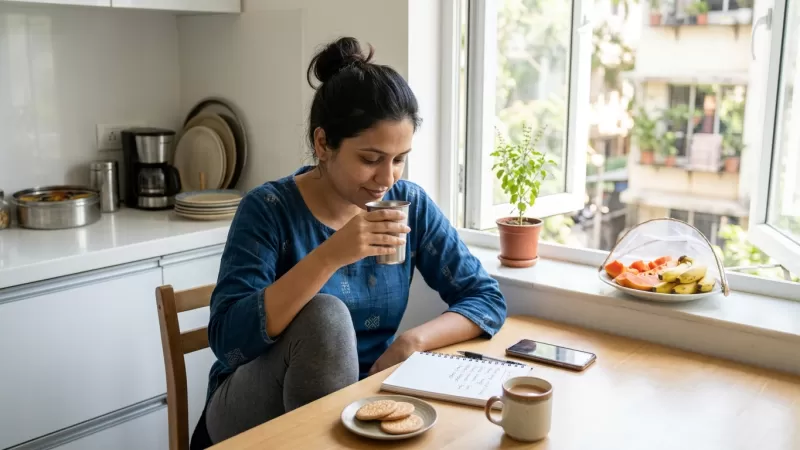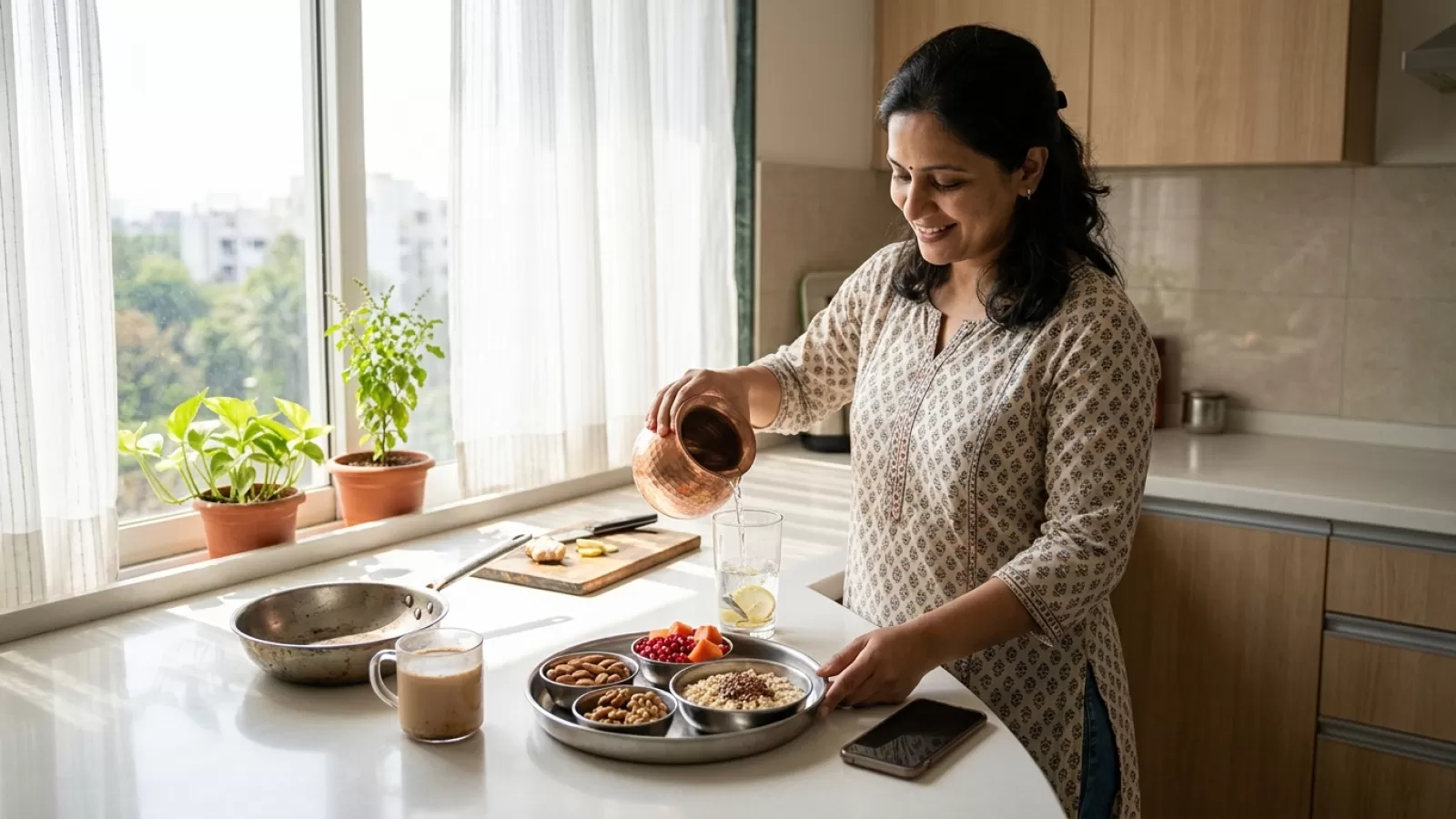
In many Indian homes, adults move through their days like clockwork, making sure everyone else eats, rests, and takes their medicines on time. The idea of lasting wellness habits for self-neglecting Indian adults usually feels like a distant dream, buried under lists of other people’s tasks. The pattern is so deeply woven into daily life that even a mild fever or persistent backache gets quietly ignored, while a child’s sniffle means immediate action.
That said, you see it everywhere — the mother who hasn't checked her blood pressure in years but knows her father-in-law's readings by heart, or the working professional who rushes to schedule annual check-ups for parents and kids but hasn't visited a doctor for herself in ages. Lasting wellness habits self-neglecting Indian adults need rarely get built, because their own needs are not treated as urgent or even necessary.
Why Indian Adults Often Put Their Own Health Last
This experience is so common in Indian households that it almost feels invisible. The homemaker who gets up at 5 am to pack lunchboxes, the father who travels long distances for work but skips meals, the grandparent who manages the home while everyone else is out — all tend to ignore their own tiredness or aches. This is not out of laziness, but because the care structure in our families has always put elders, children, and even guests above self-care.
There is also a quiet, unspoken rule in many homes: your discomfort can wait if someone else needs attention. Festivals, exam seasons, weddings, and even daily routines demand a level of energy that leaves little space for personal health. If you ask around, you’ll hear stories of people who missed their own check-ups for years but ensured the whole family was up to date.
It’s so woven into Indian family life that even when there is awareness about preventive care or sustainable wellness India, the follow-through is missing for the adults themselves. The structure simply doesn’t exist to support building self care habits India outside the context of caring for others.
What Shapes This Pattern of Self-Neglect in Indian Homes
When you look closer, you start to see the reasons why Indian adults who ignore their health do so without even realising it. Daily routines are packed from the moment you wake up. The pressure to keep things running smoothly means personal health becomes a background concern, not a daily priority.
Cultural expectations play a big role. In joint families, especially, you may feel that putting yourself first is selfish. There’s a quiet pride in being the one who can manage without fuss. Many adults have grown up seeing their own parents and elders do the same — serving everyone, eating last, and rarely taking a day off for themselves. Even when you’re aware that you should be building self care habits India, it doesn’t feel natural.
Fitness coaches who train working adults often find that most movement in Indian homes comes from daily tasks, not planned exercise. The tricky part is, this kind of movement rarely replaces the focused attention that real wellness habits need.
Access is another factor. In cities, you might have clinics and gyms nearby, but in semi-urban or smaller towns, healthcare is harder to reach. Even when it’s available, making time for yourself — especially if you’re the backbone of the family — feels near impossible. And let’s not forget the mental load. Many adults are so used to taking care of others that they genuinely forget what it feels like to focus on their own wellness, even for a few minutes a day.
Everyday Signs That You’re Neglecting Your Own Health
- Repeatedly postponing check-ups: You make sure everyone else gets their annual health screenings but yours keep getting pushed.
- Ignoring small symptoms: A nagging cough, knee pain, or a toothache lingers for months because you’re “too busy” to see a doctor.
- Eating whatever’s left: Meals are hurried, skipped, or made up of leftovers after everyone else has eaten.
- Feeling constantly tired: You brush off your fatigue, blaming it on being busy, but never check if there’s an underlying issue.
- Missing out on rest: You rarely get an uninterrupted night’s sleep, often waking early to finish household tasks or help family members.
These signs tend to pile up slowly. Many adults don’t realise how much they’ve ignored until something forces them to stop and notice.
What Actually Works: Small Steps for Sustainable Wellness India
- Pair your habits with family routines: Many Indian adults who ignore their health find that connecting their own habits to family ones makes them stick. For example, drink a glass of water every time you serve chai, or do a few stretches while waiting for the pressure cooker to whistle.
- Plan meals in ways that help everyone: Instead of cooking separate “healthy” food for yourself, make small tweaks to the family meal — add a bowl of dahi, switch to a mixed dal, or introduce a seasonal sabzi that everyone can enjoy. This is how lasting wellness habits self-neglecting Indian adults can actually start to build.
- Use reminders that blend into daily life: Put your own medicines or water bottle next to the kid’s lunchbox, or set a phone alarm for a quick walk after dinner. Make it part of the household rhythm.
- Share the load: If possible, ask another family member to help with a task so you can take five minutes for yourself — even if it’s just to sit quietly. In many homes, this feels awkward at first, but slowly, others start to notice and pitch in.
- Do something small, but do it daily: Even deep breathing while waiting for the milk to boil, or a five-minute walk in the corridor, counts. The trick is not to aim for big changes, but for something sustainable that fits your actual life.
Some steps might feel too small to matter, but over weeks, these tiny shifts do add up. The goal is not perfection, but consistency amid the realities of Indian family life.
How Self-Neglect Appears in Everyday Indian Routines
A kitchen in Nagpur at 6am: the ceiling fan whirs, the pressure cooker is already hissing, and there’s the soft clatter of steel tiffin boxes being packed for school and office. The homemaker moves quickly, making chai, spreading butter on toast, and picking curry leaves for the dal. Her own cup of tea grows cold as she answers a question about homework, fills a water bottle, and checks the gas cylinder. Breakfast is often a hurried spoonful of poha eaten standing up — or skipped altogether if time runs out.
This scene plays out in thousands of homes, not just in Nagpur. The person making sure everyone else leaves the house fed and ready often doesn’t sit down to eat. Later, at work or at home, hunger is ignored until it’s uncomfortable. When you add up days and months like this, it’s easy to see how lasting wellness habits self-neglecting Indian adults need never really begin. The pattern becomes so normal that it rarely feels like a problem — until something finally gives way.
When Self-Neglect Needs Outside Help
There are moments when quietly ignoring yourself turns risky. If you’ve been postponing a health issue for months and it starts interfering with daily tasks, or if you notice weight loss, persistent pain, or ongoing fatigue you can’t explain, it’s time to pause. These days, many families in Indian cities have quietly discovered that a friend or neighbour’s gentle nudge is sometimes what gets someone to the doctor — especially if they’ve been pushing through serious symptoms. If you’re feeling unsure, talk to a trusted friend, family member, or your family doctor about what you’re experiencing. Even a short conversation can make a big difference.
Common Questions
Many Indian adults will recognise these patterns from their own lives or from those around them. You might see yourself in these questions, or notice them in a parent, spouse, or friend. It’s never too late to start small, steady changes — and even tiny habits can help break the pattern of self-neglect over time.
Why do Indian adults who take careful care of everyone around them so consistently neglect their own health?
Often, the way Indian families are structured means the person managing the household is expected to put everyone else first. In a home where the mother ensures every child’s vaccine is on schedule and every elder has their medicines, she may still postpone her own health check-up for years. This pattern is taught early — sometimes without words, just by watching how elders behave. Over time, it becomes normal to ignore your own tiredness or pain, especially if others rely on you. The habit is less about neglect and more about learned self-sacrifice.
What wellness habits are realistic for Indian adults who genuinely cannot find time or energy for self-care?
The most realistic habits are the ones that fit into what you’re already doing. For example, drinking water whenever you’re in the kitchen, adding a bowl of dahi or a handful of roasted makhana to your own plate while serving others, or doing a few shoulder stretches while watching TV with family. In many homes, a two-minute break for deep breathing or a quick walk around the house is more achievable than an hour-long class. The key is to weave small actions into existing routines, not create extra work.
How do you build a lasting personal wellness habit in Indian life when no structure currently supports it?
Start by connecting the new habit to something you already do for the family — for example, taking your medicines when you remind a parent or giving yourself a fruit snack when you pack one for a child. If you announce your small goal to your family, sometimes they join in or help you remember. It’s often about making the habit feel like a normal part of the household rhythm, not a separate or “selfish” activity. Over time, these little changes can become steady, lasting wellness habits self-neglecting Indian adults actually keep.
What is the minimum daily health attention that prevents the gradual deterioration of self-neglect in Indian adults?
Even something as basic as not skipping meals, drinking enough water, and checking in with how your body feels each day can make a difference. For many adults, sitting down (even briefly) to eat, taking a five-minute walk, or spending a few quiet moments in the evening helps. In Indian homes, these small actions tend to be the minimum that keeps health from slipping. If you can add a regular bedtime or a weekend check-in with yourself, that’s even better. The idea is to avoid total neglect, not aim for perfection.
When does self-neglect in Indian adults become a crisis that requires intervention rather than just habit adjustment?
If you notice someone has lost a lot of weight, is constantly exhausted, seems mentally withdrawn, or can’t manage daily tasks because of pain or illness, it’s no longer just a habit issue. In many Indian families, these signs are first seen by others — a spouse, a neighbour, or even a house help may notice. When daily functioning is affected, or when symptoms linger for weeks without improvement, it’s time to involve a doctor or a trusted family member for help. Waiting too long can make things harder to fix.