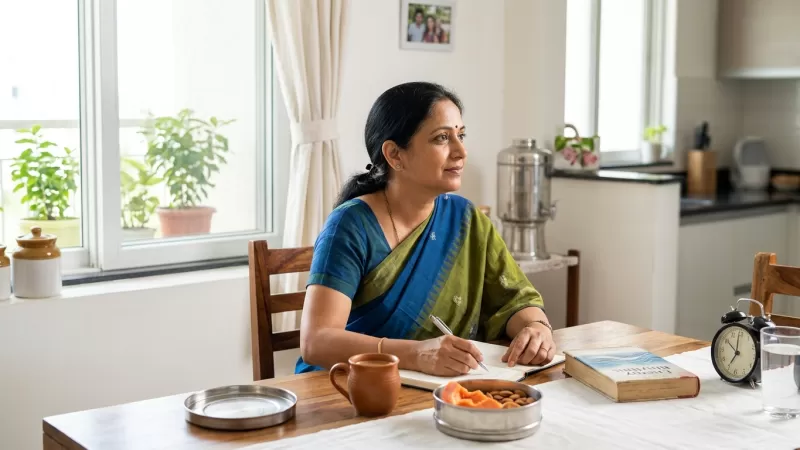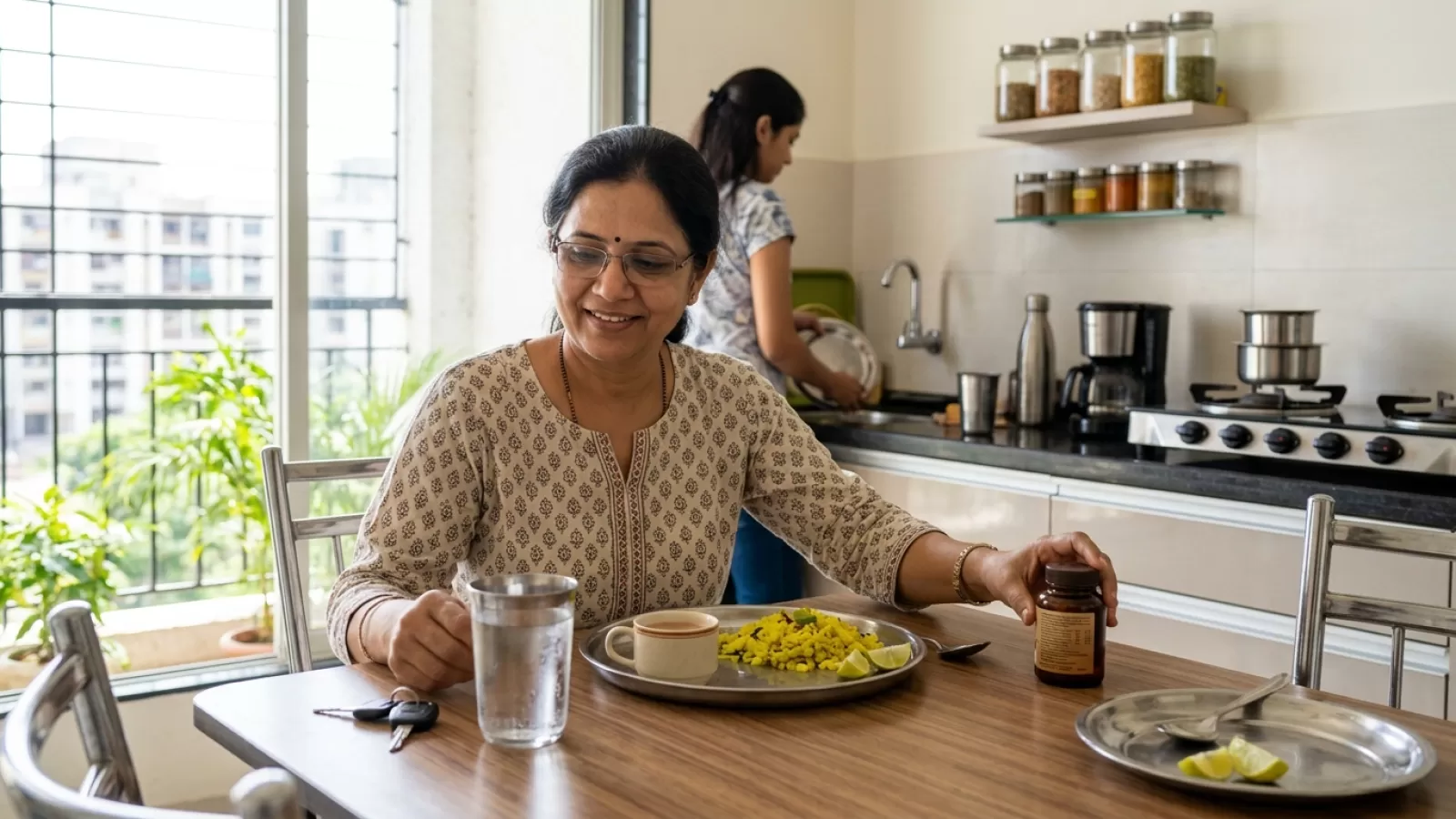
Late at night in many Indian homes, you might find an adult finally taking a breath, sitting at the edge of their bed, and realising they haven’t really checked in with themselves all day. The glass of water remains untouched on the desk, shoulders ache from hours at the laptop, and even the soft urge for a cup of chai was lost between urgent phone calls and family needs. Wellness habits for Indian adults who forget self care are not about laziness or ignorance—they’re about what happens when outward responsibilities quietly steal every bit of inward attention.
These days, a typical Indian adult’s time and energy are so devoted to others—parents, children, workplace, home—that the small signals of thirst, tiredness, or hunger barely cross the surface. Automatic self care habits India needs don’t come from more reminders or willpower, but from noticing what’s already happening in daily routines and gently weaving self care into those moments.
Why Indian Adults Lose Track of Self-Care in Daily Life
In most Indian families, the rhythm of the day is set by the needs of others. The first cup of tea is made for everyone else. The last plate of sabzi is served to a child or parent. Many adults in India, especially women, grow up with the idea that caring for others is more urgent than caring for themselves. This isn’t just about culture. It’s built into the daily routines—packing dabbas, answering work messages during family time, managing small crises from power cuts to school projects.
There’s also a quiet pride in being able to handle it all without complaint. You’ll often hear someone say, “I’m fine, just busy.” In joint families, space and time for yourself can feel like a luxury. Even in nuclear homes, the pressure to keep things running smoothly means your own needs are the first to get postponed. That said, these patterns don’t mean you’re careless. Often, it’s a sign that you’ve learned to tune out your own signals because so many other things seem more pressing.
The Hidden Reasons Behind Neglected Self-Care
One main reason wellness habits for Indian adults who forget self care are so hard to maintain is that self-care signals tend to get buried under years of outward focus. You might not notice hunger until you feel dizzy, or thirst until a headache arrives. In many homes, the physical environment itself can make things worse—long commutes in traffic, humid summers with frequent water cuts, or small living spaces where quiet time is almost impossible.
Fitness coaches who train working adults often find that most movement in Indian homes comes from daily tasks, not planned exercise. So, there may be a lot of activity—running after kids, standing in the kitchen, cleaning—but little of it is deliberate, restful, or refreshing. For working professionals, especially those working from home, the lines between office and home have blurred. Chores and meetings pile up. Many will only realise their neck is stiff when they finally try to sleep.
There’s also the way Indian adults are raised to keep going despite discomfort. The old advice—"finish your work first, rest later"—sticks around, even when the work never really ends. Over time, this means your mind gets trained to override small signals until they grow loud enough to interrupt your day. That’s the catch: most self-care gets triggered only when discomfort becomes impossible to ignore.
Everyday Clues That Self-Care Has Slipped Through the Cracks
- Sudden headaches or dizziness: Many people only remember to drink water when a headache arrives, especially during summer months.
- Constant tiredness or irritability: After a week of late dinners and early mornings, snapping at family members becomes more common, even when you don’t mean to.
- Forgetting meals: It’s easy to skip breakfast on busy mornings, only realising at noon when hunger pangs hit hard.
- Lingering aches: Shoulder or back pain that’s been present for days, but you notice it only when you finally sit down at night.
- Poor concentration: Struggling to focus on work or household tasks, but chalking it up to “just being busy” rather than a basic need like sleep or food.
These signs are rarely dramatic. They build up slowly, blending into the background of busy Indian routines. Many adults only recognise them in hindsight.
Low-Effort Habits That Slip Into Existing Routines
- Drink water with every meal: Instead of aiming for eight glasses a day, just start by drinking a full glass with dal-chawal or roti-sabzi. This habit needs no new reminders.
- Link self-checks to household rhythms: Tie a body scan (just noticing where you feel tense or tired) to a daily routine—maybe every time you wait for the cooker’s whistle, or when you make chai in the evening.
- Keep healthy snacks at eye level: Place makhana or roasted chana in clear jars on the kitchen counter so that when hunger sneaks up, you don’t have to think.
- Stretch while doing daily chores: Use the few minutes while waiting for the milk to boil or the rice to cook to gently roll your shoulders or stretch your calves. In many homes, this happens naturally once it’s associated with a regular activity.
- Protect sleep rituals: Pick one calming thing—washing your face, a few deep breaths, a short prayer—before bed. Don’t aim for perfection. Just repeat it most nights, and it becomes automatic.
These effortless health habits Indian adults can adopt don’t require big changes or extra willpower. They blend into what you already do, so you don’t have to make conscious decisions every time.
How Neglected Self-Care Appears in Indian Households
In a kitchen in Nagpur at 6am, the gas burner clicks to life before the sun is up. The first priority is chai for everyone else, dabbas for school, and a quick check if the inverter is working for the day’s power cut. The homemaker—standing barefoot on cool tiles—might only notice the ache in her feet when she sits down for the first time at 11am with her own cup of chai, now lukewarm. In urban apartments, a working professional might log into meetings straight from bed, only to realise at lunch that their voice is hoarse and their water bottle is still full.
Across cities and towns, many families have discovered that small tweaks—like keeping a steel glass by the bedside or pairing breathing with evening poha prep—make self-care happen without effort. The tricky part is, most people only realise what they’ve missed once they’re already feeling low. That’s why the most useful wellness habits for Indian adults who forget self care are the ones that fit so gently into daily routines, you barely notice you’re doing them.
When to Reach Out for Help
If you find that basic needs—like eating, sleeping, or hydrating—are always pushed aside, and you’re feeling persistently low or physically unwell despite trying small changes, it’s wise to talk to a doctor. Sometimes, what feels like forgetfulness is a sign of something deeper. In Indian homes, it’s easy to think "it’s just stress," but if discomfort is constant or gets worse, seeking guidance is a practical next step.
Common Questions
Sometimes the trickiest part is just recognising that you’ve fallen into the habit of ignoring your own needs. If you’re wondering how to sneak self-care into a busy Indian routine without making it another chore, you’re not alone. Here are some answers that fit right into daily life.
What are the most effortless wellness habits for Indian adults who consistently forget their own needs?
In many Indian homes, the easiest wellness habits are the ones that require no extra decisions. Drinking water with every meal, stretching while waiting in the kitchen, and keeping healthy snacks visible are low effort wellness India practices that fit into what you’re already doing. Even using prayer or chai breaks as moments to pause and check in with your body can help—because they happen anyway, you don’t have to remember them separately.
How do you build health habits that happen without requiring any conscious decision or reminder?
The key is to attach the new habit to something you already do daily—like checking your phone, making tea, or closing windows at night. These anchor points turn new automatic self care habits India needs into routines you don’t have to think about. Over time, it feels natural—just like washing your hands after coming home, or switching off the geyser after a shower. Repetition in familiar moments is what makes it stick.
Is forgetting to care for yourself in Indian adult life a psychological pattern or simply a practical consequence of busyness?
It’s almost always a mix of both. Indian adults are taught to put others first, so tuning out your own needs becomes second nature. But it’s also about practical busyness—long commutes, family demands, tight schedules. Most adults don’t ignore self-care on purpose; it just gets crowded out by everything else. Over time, the habit of delay turns into a quiet pattern until it feels normal.
What are the most important physical self-care signals that Indian adults most commonly override and should learn to respond to?
Thirst is one of the first needs to be ignored, especially in hot, humid weather. Hunger gets postponed during busy mornings. Fatigue—especially after long days or late dinners—often goes unnoticed until it turns into irritability or aches. Even the urge to stretch or move is easily ignored during back-to-back tasks. Noticing these signals early helps prevent bigger issues down the line.
How do you gradually shift from consistently neglecting yourself to consistently attending to your basic needs without it feeling like a major undertaking?
Start by picking one habit that fits naturally into your daily routine—like drinking water with every meal or stretching after dinner. Don’t aim for perfection. When you slip, just start again the next day. Over time, these small automatic self care habits India is discovering build up until they feel effortless. The change is gentle, not dramatic, making it much easier to sustain—even on the busiest days.