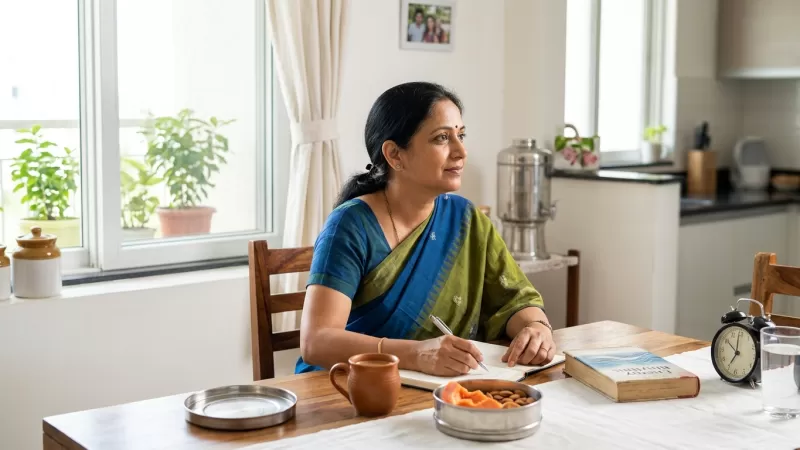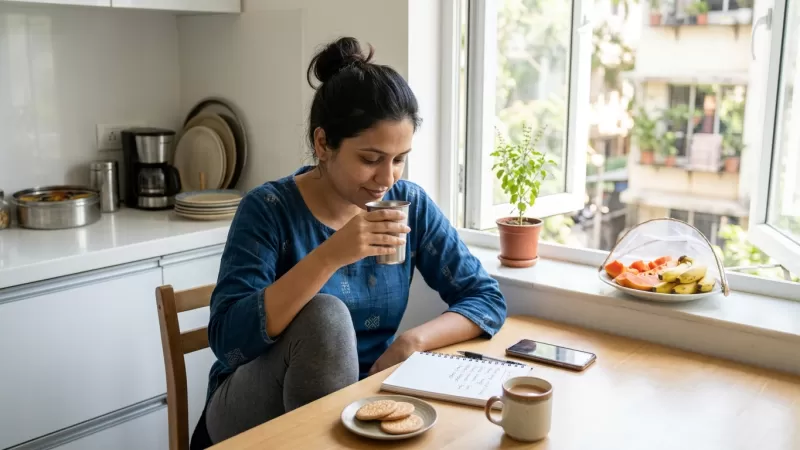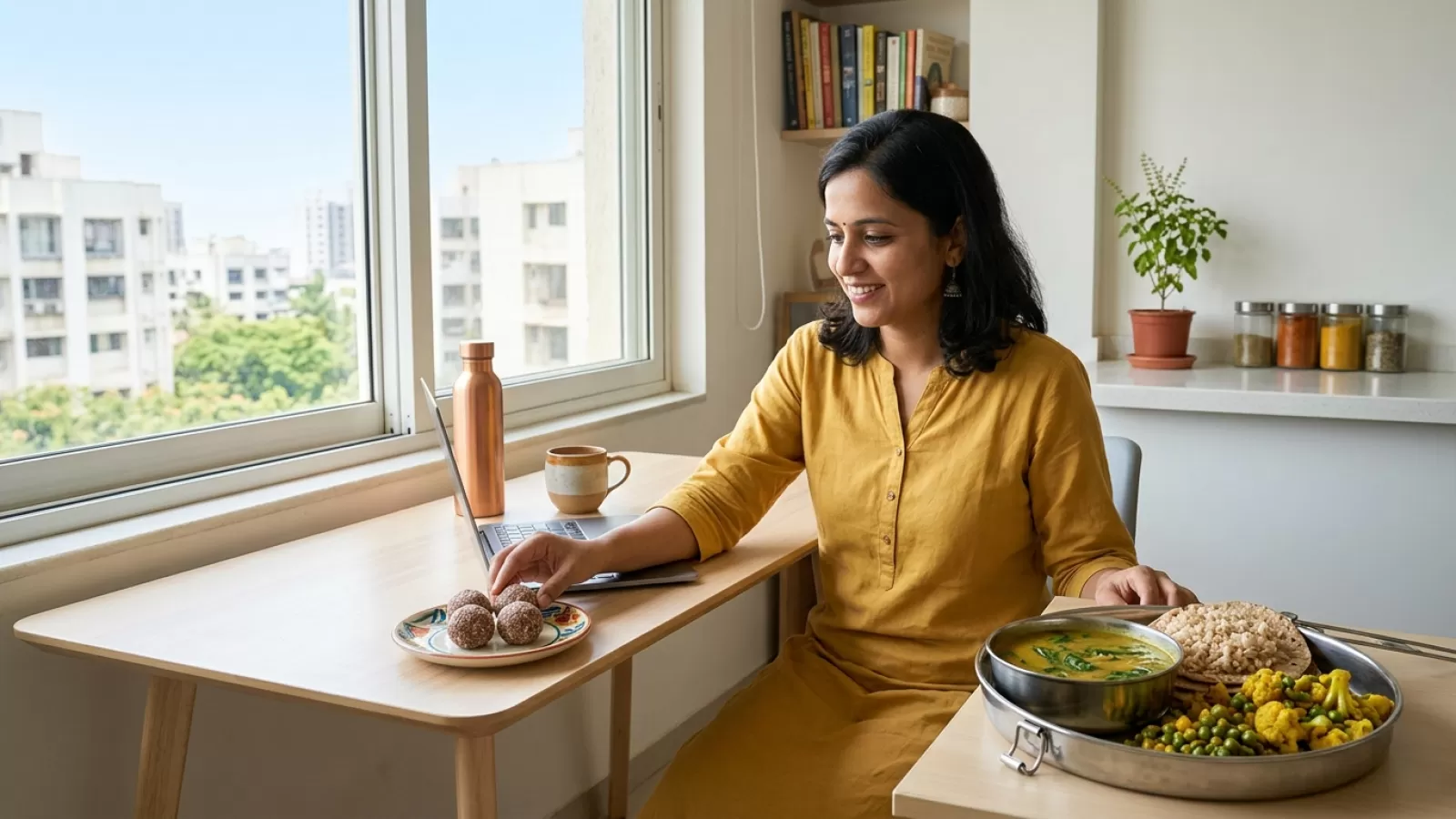
The difference between a sluggish afternoon and a steady, productive workday often starts with what’s on your plate in the morning and at lunch. In Indian homes, everyday meals like dal, roti, rice, sabzi, and dahi are quietly at the heart of Indian food for steady energy workday needs—though most families rarely talk about this connection out loud.
On days when a working adult packs a simple dal-chawal or roti-sabzi lunch, afternoons tend to pass with fewer yawns and less mind-wandering, compared to the heaviness after a festival biryani or a leftover pizza. It isn’t about calories or excitement on your plate—it’s about those slow-digesting, traditional foods that hold your energy steady, hour after hour.
What Makes Energy Levels Rise and Fall in Indian Homes
In many Indian families, the rhythm of the workday is closely tied to the timing and content of meals. Mornings are often rushed—kids getting ready, adults squeezing in chai and a quick breakfast before heading to work or starting the WFH routine. Lunch is usually the main meal, packed in tiffins or cooked fresh at home, while dinner is later and often lighter or less structured.
The catch is that during these busy mornings, food choices for daily energy in India can be an afterthought. Many grab whatever is quick: leftover poha, bread with butter, or just a banana with chai. Lunch, however, is where the bigger decisions happen. Traditional tiffins—dal, sabzi, roti, maybe some rice and a spoon of dahi—are still common, but so are heavier, oil-rich single-dish meals, biryanis, or fast food orders, especially in urban areas.
That’s where many notice an unspoken pattern. On days when lunch is simple and balanced, there’s a steady fuel that lasts into the afternoon meetings or calls. But after a heavy, greasy meal, brain fog and drowsiness tend to follow. The difference? It’s in the types of Indian diet for consistent energy, not just the amount of food.
What Causes These Afternoon Energy Ups and Downs
Most people don’t connect the dots between their plate and their post-lunch attention span, but the science is straightforward. Meals with a mix of slow-digesting carbs (like whole wheat roti or brown rice), protein (dal, chana, dahi), and some fat (ghee, tadka, or a little oil) release energy gradually, keeping blood sugar steady. Heavy, rich meals—think creamy gravies, fried snacks, or large quantities of white rice—cause a spike, then a crash, making you sleepy and less focused.
Nutritionists who work with Indian office-goers often find that the classic dal-sabzi-roti lunch is not just a cultural habit but a practical way to support sustained energy Indian food needs. These foods slow down digestion, reduce sugar swings, and prevent energy dips. What’s interesting is that these combinations are usually cheaper and easier to prepare than elaborate, multi-layered dishes or packaged foods.
The tricky part is, many adults only notice the difference when they compare two days side by side—one with simple, balanced meals and another with heavy, one-pot dishes. It’s rarely about eating less; it’s about eating right for the kind of day ahead.
How To Spot When Your Food Isn’t Supporting Your Workday Energy
- Post-lunch brain fog: On days when lunch is heavy or oily, many feel drowsy or unfocused within an hour, especially during long virtual meetings.
- Craving chai or coffee by 4 pm: If you’re reaching for caffeine or something sweet every afternoon, your lunch probably didn’t offer sustained energy.
- Feeling hungry too soon: When breakfast is just toast or biscuits, you might find your stomach rumbling by 11 am, long before lunch.
- Energy dips during commute: For those returning home from work or school, a noticeable dip in energy can often be traced back to lunch choices.
- Afternoon irritability: Short tempers and restlessness in many households are often linked to blood sugar swings from quick-digesting meals.
If these patterns sound familiar, the cause might be your food choices for daily energy in India rather than just work stress or too little sleep.
Simple Food Habits That Make a Noticeable Difference
- Include dal or legumes at both breakfast and lunch: Moong dal cheela, chana salad, and dal in your tiffin give you protein and slow carbs for steady fuel.
- Stick to whole grains: Rotis made with atta, brown rice, or millets like jowar and bajra slow digestion compared to maida-based breads or white rice.
- Add a small portion of dahi or buttermilk: These aid digestion and help you feel full longer, especially during humid summers.
- Keep lunch light but balanced: A typical Indian diet for consistent energy during the workday is two rotis, a bowl of dal, a small sabzi, and a bit of rice—not a pile of fried snacks or rich gravies.
- Prep ahead on busy mornings: Soaking chana or dal the night before, or chopping veggies in advance, makes it easier to assemble a quick, balanced meal even on late-running days.
Small changes—like swapping a heavy paratha for a moong dal cheela, or adding a bowl of sabzi to your lunch—add up over the week. Many families in Indian cities have quietly discovered that the most sustained energy Indian food options are the ones their grandparents ate daily.
Daily Patterns: How Food Choices Shape the Indian Workday
If you walk through a busy apartment block at 1 pm, you’ll notice the tiffin carriers and lunchboxes—some packed with dal-chawal, others with stuffed parathas or takeout biryani. The energy patterns that follow are rarely discussed.
Professionals working from home in Bengaluru or Pune often report clearer focus and fewer headaches on days when lunch is simple, with dal, roti, sabzi, and dahi. Yet, after a Friday office lunch of heavy North Indian curry or rich restaurant food, the afternoon drags. Schoolchildren, too, come home cranky after a canteen lunch of noodles or samosas, but seem more energetic after a home-packed meal with dal and rice.
In joint families, there’s sometimes quiet debate about what makes a "proper" lunch. The elders’ preference for dal-sabzi-roti is sometimes dismissed as old-fashioned, but many working adults secretly notice their own energy stays steadier when they follow the same.
When It’s Time To Seek Help
If you find that no matter what you eat, your afternoons are always foggy, or you’re feeling unusually tired despite enough sleep and balanced meals, it may be wise to talk to a doctor. Sometimes, persistent fatigue has causes beyond food choices, like underlying health conditions or stress.
But for many working adults in India, small adjustments in what you eat for breakfast and lunch make a bigger difference than most expect.
Common Questions
Energy levels can be a puzzle, especially in the middle of packed workdays and busy family routines. Many Indian homes keep experimenting—tweaking breakfast, swapping lunch dishes, or adding small snacks—hoping to find what works best. Here are some answers to questions that come up most often around Indian food for steady energy workday needs.
Which Indian food combinations produce the most sustained energy across a working day?
In many Indian families, the simple lunch of dal (or another legume), sabzi, two rotis, a small portion of rice, and some dahi tends to give the most steady energy from noon till evening. When you combine whole grains with protein and a bit of healthy fat—like tadka in your dal or a spoon of ghee—you get a meal that digests slowly. This means your body has a gentle release of energy, rather than a quick spike and crash. It’s not fancy, but these old-school combinations are reliable for most adults during busy workdays.
How do common Indian breakfast and lunch choices affect afternoon energy for working adults?
Breakfasts heavy in simple carbs—like white bread, biscuits, or sugary tea—often lead to hunger and tiredness by 11 am. In contrast, idli with sambar, poha with peanuts, or a moong dal cheela keeps you fuller and more alert. Lunches with dal, roti, and sabzi tend to support a productive afternoon, while a heavy biryani or oily paratha can bring on drowsiness. Many working adults only notice the difference when they pay attention over a few days.
Is the traditional Indian tiffin of dal-sabzi-roti genuinely better for sustained daily energy than modern alternatives?
For most people, yes. A tiffin with dal, sabzi, and roti (and a bit of dahi or rice) supports sustained energy Indian food needs far better than fast food, noodles, or a heavy one-pot meal. This is because the mix of protein, fiber, and complex carbs in the traditional tiffin helps keep blood sugar stable without big peaks and drops. Many office-goers in Indian cities have quietly observed that they feel less sleepy and irritable with these traditional meals.
How do you identify which specific food choices are draining your daily energy without elaborate tracking?
You don’t need fancy apps or charts. Watch how you feel after different meals. If you notice a pattern—like feeling sleepy after a rich, oily lunch, or craving sweets by 4 pm after a toast-and-chai breakfast—those are signs. Many Indian homemakers and professionals keep a mental note: "That meal gave me good energy," or "I felt tired after eating that." Over a week or two, you’ll start to see which foods support your energy and which drain it.
What Indian eating habits most specifically prevent the afternoon energy collapse that affects the productivity of so many Indian working adults?
Eating a balanced breakfast with some protein (like dal, eggs, or nuts), not skipping meals, and including dal or legumes at lunch are the main habits. Meals built around whole grains, dal, and sabzi keep energy steady. Having a small bowl of dahi or buttermilk with lunch, and avoiding very oily, rich, or sugary foods at midday, helps too. Many Indian families find that carrying a small homemade snack—like roasted makhana or chana—also prevents the late-afternoon slump, especially during long workdays.