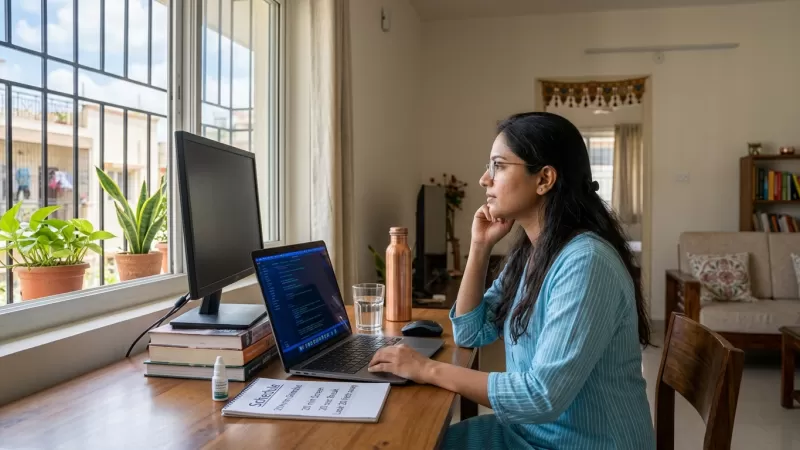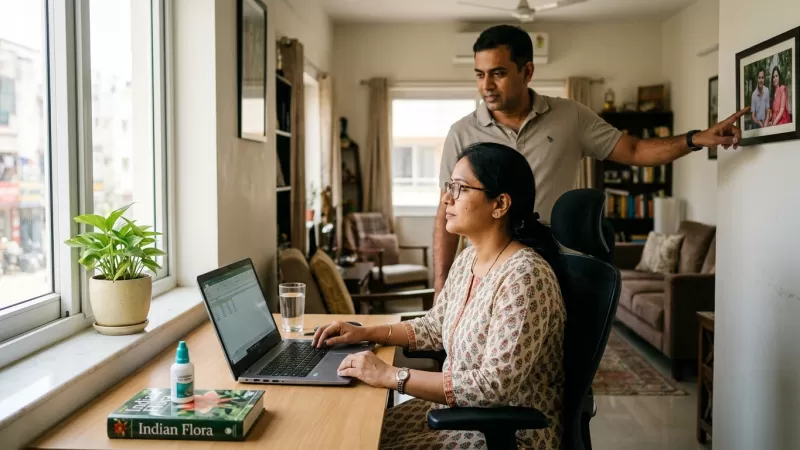
In many Indian homes, the rhythm of daily energy isn’t set the night before. It’s shaped by what you do in the first hour after waking. Whether you reach for your phone, sip on your first chai, or listen to the birds outside, these morning energy habits in India often linger through the day—either helping you feel steady or leaving you chasing a boost by mid-morning.
That’s the catch: support energy Indian morning routines don’t just happen by accident. The difference between a day where you feel clear-headed by 3pm and one where you’re yawning at your desk usually starts with those first choices after getting up. Even small things, like a glass of water or five minutes of quiet before everyone else wakes, shape the kind of energy you carry into the afternoon.
Why Many Adults Begin Drained: The Indian Morning Pattern
The first hour energy Indian adults experience has a lot to do with how mornings run at home. Often, mornings can be a rush of alarms, shuffling for the bathroom, and checking messages before you’re even out of bed. In families where everyone leaves around the same time, there’s a quiet scramble—children need breakfast, elders want their chai, and someone is always searching for socks or keys. You might find yourself skipping breakfast, grabbing a biscuit on the way out, or standing at the stove with your phone in hand, barely present.
Many working professionals who commute—especially in cities like Mumbai, Delhi, or Bengaluru—begin their day feeling behind. There’s traffic to think about, meetings already on their mind, and sometimes, news alerts that set a tense mood. In homes where both partners work, mornings can feel like a relay race. The sense of being rushed, scattered, or even anxious is common. And, in many cases, the habit of pushing through without a pause leaves adults feeling depleted before lunch.
The Hidden Reasons Energy Slips Away Before Lunch
What drains energy in Indian mornings isn’t always dramatic. It’s often the invisible patterns—like reaching for your phone and reading news, which can bring stress before you’ve even brushed your teeth. Or drinking chai on an empty stomach, which tends to spike energy briefly but leaves you hungry soon after. Sometimes, skipping water after a long night leaves you slightly dehydrated, making your mind feel foggy.
Dieticians who work with Indian families often find that eating nothing or only a processed snack (like a biscuit or rusk) delays real nourishment, so the body never gets a steady fuel source early in the day. For those who eat late dinners, digestion may still be slow in the morning, making heavy or oily foods feel uncomfortable—so people skip eating altogether, hoping to make up for it later. This is also why a second or even third cup of chai by 10am is so common. In reality, the deficit from the morning never gets filled, and energy keeps dipping until lunch.
There’s also the emotional side. When mornings are noisy, crowded, or tense, your mind tends to feel scattered. In joint families, managing everyone’s needs before your own can quietly drain your reserves. The tricky part is, building energy from morning in India often means protecting a small patch of calm or finding a gentle routine, even if only for a few minutes.
Everyday Signs Your Morning Isn’t Supporting You
- Second cup of chai by 10am: You’re already reaching for an energy boost before lunch.
- Mid-morning hunger pangs or irritability: Skipping a proper meal or only having a biscuit leaves you feeling empty, cranky, or distracted.
- Brain fog after 9am: You find it hard to focus, reply to messages, or remember small details at work or home.
- Short temper or low patience with family: The smallest things seem to annoy you—often a clue your reserves are low.
- Heavy reliance on screens for stimulation: You scroll social media or news compulsively, looking for a spark, but it rarely helps.
In many homes, these signs are subtle but persistent. They’re easy to brush off, but they do add up.
Morning Habits That Gently Build Energy (Even When You’re Busy)
- Start with water, not chai: After a humid night, your body often wakes slightly dehydrated. Just a glass or two of plain water (warm or room temperature) can help your body wake up and feel clearer by breakfast.
- Choose a small, warm meal: It doesn’t have to be a full breakfast. Even a bowl of poha, upma, or a small portion of dal-chawal with dahi can stabilize blood sugar and keep you from getting hungry too soon. On rushed days, a banana or a handful of soaked nuts works better than nothing.
- Protect five minutes of quiet: Many Indian adults never get a single peaceful moment before the day’s chaos. Sitting quietly with your chai (without your phone), listening to the fan or the birds, or even just breathing deeply for a few minutes helps your mind settle. It feels small, but this habit can change the whole day’s tone.
- Delay the phone, if you can: The news and WhatsApp groups can wait. Let your own thoughts arrive before the world’s noise. This is one of the simplest ways to support energy Indian morning routines without adding to your to-do list.
- Set a gentle rhythm for others: When possible, soften the mood for family. Turning on a soft light, opening a window, or greeting each other kindly makes everyone less rushed. In many homes, this small bit of warmth means less shouting, less forgetting, and a calmer start for all.
Some habits are easier to build than others. The key is not to aim for perfection, but to notice what helps, and to do it most days—even if just for a week at a time.
Where Indian Mornings Shape the Rest of the Day
Many families in Indian cities have quietly discovered that their best days don’t start with a loud alarm, but with a small, consistent routine. In homes where someone wakes five minutes earlier, sits with a cup of chai and a window open, or prepares a small bowl of sabzi and roti for the family—even if just reheated from last night—there’s a visible difference by 10am. Children are less cranky, adults feel less scattered, and the home moves with a little more ease.
On mornings when everything runs late—when someone oversleeps, the geyser doesn’t work, or the power goes out—energy is often spent managing frustration or blame. The household feels off-balance, and that sense lingers through the day, even after everyone has left for school or work. That said, when a family member gently suggests pausing for a glass of water or shares a plate of cut fruit, it can bring the morning back on track.
When a Doctor’s Advice Might Be Needed
If you notice that no matter how carefully you support energy Indian morning routines, you still feel exhausted, dizzy, or unwell, it’s sensible to check in with a doctor. Sometimes, persistent low energy has a medical reason that a change in habits alone can’t fix. But for most adults, small shifts in the first hour can make a real difference.
Common Questions
It’s easy to feel like “good energy” is out of reach, especially with the real pressures of Indian mornings. But small shifts can truly add up, and many families quietly shape their days for the better this way. Here are some questions that often come up, answered with warmth and examples from everyday Indian routines.
What morning habits most effectively build daily energy for Indian adults from the first hour?
The most effective morning energy habits India has seen in real homes tend to be simple: drinking water soon after waking, eating a small but nourishing meal (like poha or warm milk with nuts), and taking five minutes without screens or urgent conversation. For example, in many households, someone who starts with water and a quiet breakfast feels steadier than someone who rushes out the door with just a cup of chai. These gentle habits often set a calm and energetic tone for the entire day.
How does what you eat in the first hour of the Indian morning affect energy levels 6 hours later?
What you eat early shapes how your body releases energy through the morning. A meal with a mix of carbs (like upma), a little protein (dahi, nuts), and some hydration tends to provide steady fuel, so you aren’t hungry or irritable by lunchtime. Many adults who skip breakfast or only have chai with a biscuit find themselves tired, distracted, or snappy by late morning. Meals like a small bowl of khichdi or a banana with soaked almonds often help keep energy more even.
Is the timing of the first morning meal more important than what is eaten for Indian adult energy levels?
Both matter, but timing often makes a bigger difference in building energy from morning India routines. Eating within an hour of waking—rather than waiting until 10am—usually helps avoid sharp drops in blood sugar and energy. Even something light, like a fruit or some makhana, gives your body a signal to start the day. Still, what you eat counts too; aim for foods that digest easily and don’t make you feel sluggish.
What morning habits most common in Indian adult life are quietly draining energy from the very start of the day?
Checking news or social media before getting out of bed, skipping water, relying only on chai, and running on a completely empty stomach are the usual culprits. In many homes, adults who rush straight into chores, arguments, or emails without a moment of pause often feel depleted before 9am. Even well-meaning habits, like multitasking with breakfast, can quietly drain energy if they leave you feeling scattered or tense.
What is the single most important first-hour-of-morning habit for Indian adults who want consistent daily energy?
In most Indian households, starting the day with water—before chai, before checking your phone—tends to make the biggest difference. This simple habit supports hydration, clears morning grogginess, and creates a small pause before the day rushes in. Many adults find that this one change, done consistently, leads to steadier focus and better mood all morning long.
A kitchen in Nagpur at 6am: the hum of the ceiling fan mixes with the faint sizzle of onions. Someone pours warm water into a steel glass, then sits quietly by the window for a few minutes before the rest of the household wakes. The air smells faintly of coriander and the early sun spills across the tiles. Even on busy mornings, this tiny ritual makes the day feel possible.