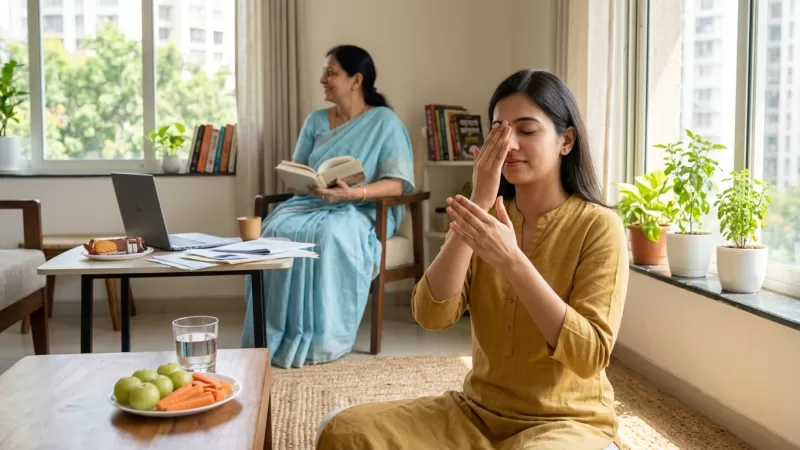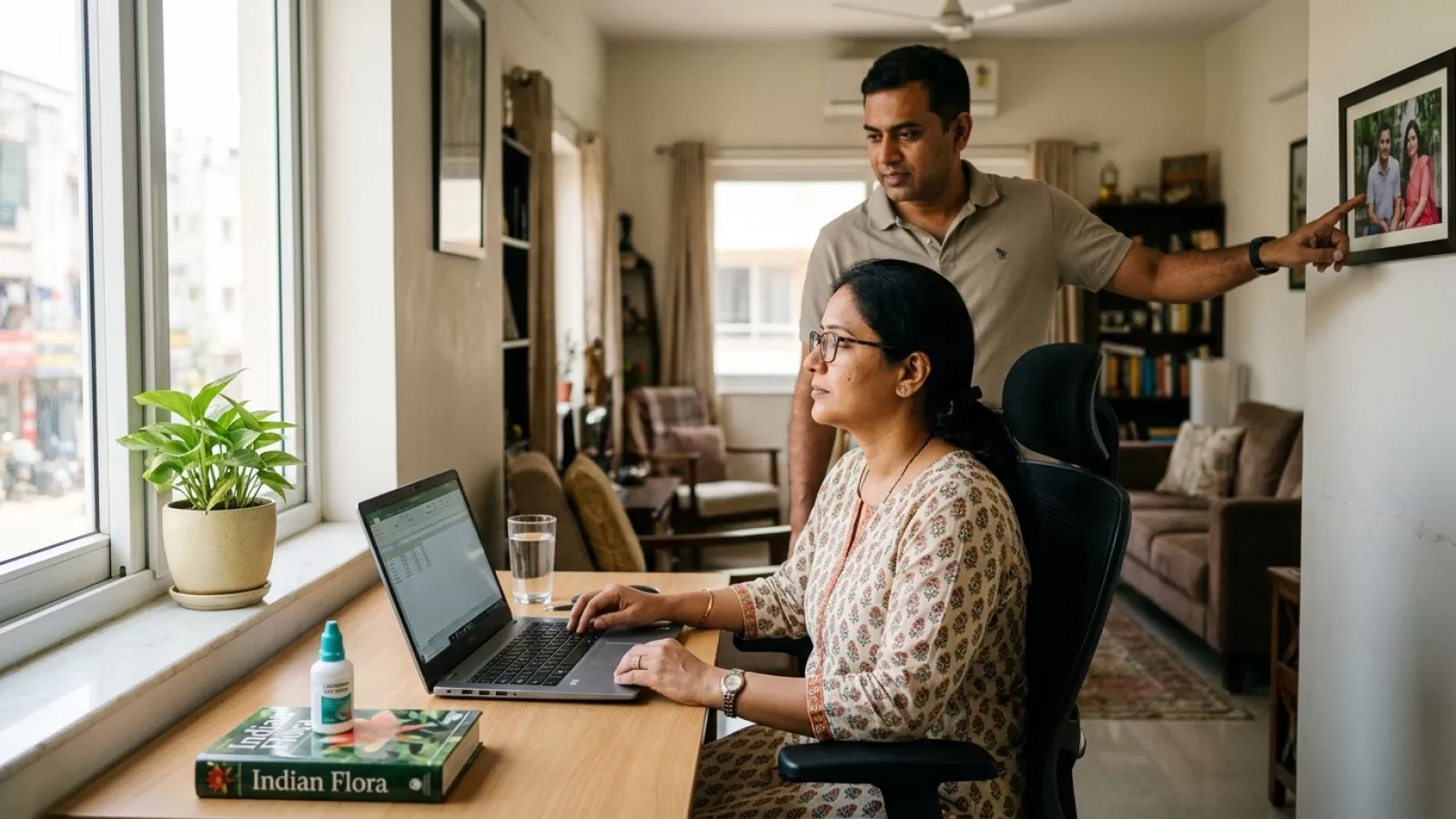
In many Indian homes, adults end their long workdays feeling an ache behind their eyes that doesn’t quite go away even after chai or a quiet moment on the balcony. The familiar tiredness is more than just mental fatigue; it’s the eyes quietly protesting after hours of staring at screens. These days, the effort to reduce eye strain in Indian adults happens not just in IT offices but also at kitchen tables turned into WFH stations, with laptops, phones, and sometimes an extra screen squeezed onto a crowded desk.
That said, the real culprit isn’t always the screen itself. It’s the way our eyes are forced to stay still, focus at one distance, and forget to blink—habits that rarely matched our lives before screens became the centre of work, banking, news, and even family calls. For anyone trying to find screen eye strain relief in India, understanding this quiet battle inside your own eyes is often the first step.
Why Tired Eyes Are Now So Common in Indian Households
Screen-related eye discomfort has become an everyday reality for many Indian screen workers and homemakers. In cities like Bengaluru or Hyderabad, IT professionals often find themselves squinting at spreadsheets for hours. In smaller towns, teachers move from Zoom to checking WhatsApp homework, while elders video call relatives or scroll news on mobile phones. The tricky part is, the difference between reading a book and reading on a screen is much greater than most people realise. A physical book lets your eyes wander, change focus, and blink naturally. Screens, on the other hand, lock your gaze at a fixed distance.
Even after work, many adults switch from their office laptop straight to their phone—scrolling social media, replying to family groups, or watching a quick recipe video for dinner. The eyes, already tired, never get a true break. In homes with small children, parents often juggle their own screen work with online classes or digital homework, adding more hours to the daily total. The expectation to keep up with everything—work, home, children, extended family—without complaint, just adds to the strain.
The Science Behind Why Screens Tire Indian Eyes
Three main things combine to create the unique strain that Indian adults feel: unnatural stillness of the eyes, a fixed distance of focus, and fewer blinks. Normally, your eyes are always moving—looking at the cooker, then the clock, then across the room to check if the dahi is setting. Screens freeze this natural movement. Your eyes focus at just one length, which isn’t what they’re built for; in the old days, your eyes would constantly switch between threadwork in your hand and the TV in the corner, or from the gas flame to the window.
Screen use also makes you blink less—sometimes half as often as normal. Less blinking means the eye surface dries out, leading to that scratchy, tired feeling by evening. Lighting conditions in Indian homes—like bright tube lights, direct sunlight through a window in summer, or the glow of a phone in a dark room during a power cut—can all add to the discomfort.
Ophthalmologists who see urban patients often find that long, uninterrupted screen sessions are much more common in Indian families now, especially since WFH became normal. These patterns are different from the past, when eye discomfort was usually linked to reading in dim light or skipping regular eye checks.
Clues Your Eyes Are Struggling With Screen Time
- Stinging, burning, or gritty sensation: Many adults describe a feeling like dust in the eyes after evening video calls or long sessions on Excel.
- Difficulty focusing on things at other distances: Shifting from a laptop to the TV across the room, or trying to read a physical book at night, suddenly feels strange or blurry.
- Frequent headaches: These often start behind the eyes or at the temples, especially after marathon online meetings or a day of switching between screens.
- Heaviness or tiredness in the eyes: Some people say their eyes feel "pulled" or heavy, particularly after working under a ceiling fan or in an air-conditioned room.
- Watery or dry eyes: Oddly, both can happen. Some people’s eyes water as a reaction to dryness; others just feel scratchy all the time.
Everyday Habits That Reduce Eye Strain for Indian Adults
- Follow the 20-20-20 rule: Every 20 minutes, look at something 20 feet away for 20 seconds. In many Indian homes, this can be as simple as glancing out the window at a tree or the neighbour’s terrace. Setting a small phone timer can help on busy days.
- Increase your blink rate: During work, remind yourself to blink more. Some families stick a colourful sticker near the screen as a gentle visual reminder. Blinking keeps the eyes moist and reduces that gritty feeling.
- Adjust lighting and screen brightness: Avoid sitting with a bright tube light directly behind you or facing harsh sunlight. Pull the curtains in summer afternoons. Most screens let you manually adjust brightness—aim for a level that matches the room, not too bright or too dim.
- Change your focus distance throughout the day: After long meetings, spend a minute looking at something far away—like a wall calendar or the end of the corridor. This habit gives your eye muscles a tiny stretch, which can bring relief.
- Limit back-to-back screen use: Try not to switch straight from laptop to phone without a short break. Use that tea-making time or a trip to water the tulsi plant as a reason to rest your eyes.
Many families in Indian cities have quietly discovered that even small changes—like using a larger font size or moving the screen so it’s slightly below eye level—can make a noticeable difference in daily comfort. The tricky part is, these habits take a little effort to build, especially when work demands feel urgent.
Screen Eye Strain in Daily Indian Routines
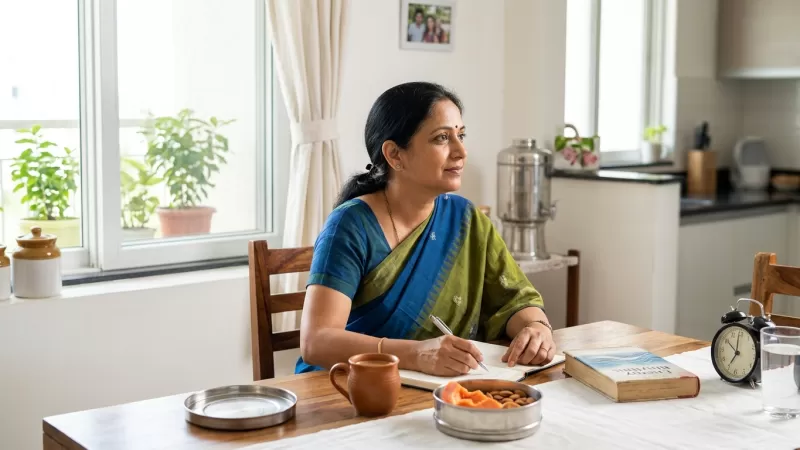
A kitchen in Nagpur at 6am. The house is quiet except for the gentle whirr of the ceiling fan. A working adult sits at the dining table, sipping chai and checking emails on a laptop. Outside, the first sunlight glows through sheer curtains, but inside, the screen is the brightest thing in the room. As the day moves on, this screen will follow them—from work calls to grocery orders, from online banking to catching up with cousins on WhatsApp. The eyes, already tired before breakfast, rarely get a true break. By bedtime, the same eyes struggle to read a favourite novel—a task that never felt tiring before screens became an all-day companion. This pattern plays out in countless households, whether in city flats or small-town homes.
Knowing When to Seek Professional Advice About Eye Strain
If you notice that your eye discomfort is not relieved by simple home adjustments, or if you start having trouble seeing clearly at any distance, it’s a good idea to check with an eye doctor. Sudden changes—like double vision, pain, or persistent blurriness—should never be ignored. Many Indian adults skip regular eye tests, but these checks can pick up early vision changes that are easily managed with the right guidance. Even if you’re managing home and work perfectly, it’s wise to make eye health a priority now and then.
Common Questions
Most households find themselves inventing their own tricks to reduce eye strain for Indian adults, especially when screen work is non-stop. It’s easy to wonder which changes matter most, or if all screens are equally tiring. Here are some everyday questions that come up in Indian homes and practical ways to think about them.
What specific changes to how Indian adults use screens most reduce daily eye strain?
Taking regular breaks—like the 20-20-20 rule—makes a big difference, even on the busiest days. Adjusting screen height so it's just below your eye level and making sure room lighting isn’t harsh or too dim also helps. Many Indian homes find that consciously blinking more often, increasing text sizes, and keeping screens at a comfortable distance (about an arm’s length for laptops and monitors) provide relief. Setting boundaries—like finishing all work on one device before switching to another—can also reduce overall eye strain in busy households.
Is there a meaningful difference in eye strain between working on a laptop versus a monitor versus a phone for Indian screen workers?
Yes, there tends to be a difference. Phones, with their small screens and close distance, usually cause more eye discomfort for Indian screen workers, especially during long WhatsApp or video calls. Monitors, if set at eye level and farther away, are often easier on the eyes than laptops on low tables. Many working adults in India notice that switching between devices quickly makes their eyes work harder, especially in rooms with poor lighting or shared family spaces.
What role does the environment around the screen — room lighting, screen brightness, background colour — play in eye strain for Indian adults?
Room lighting and screen brightness matter a lot. Bright tube lights, sunlight reflecting off walls, or dark rooms with a bright screen all increase eye strain. In many Indian homes, pulling curtains to reduce glare or using a desk lamp instead of overhead lights helps. Adjusting screen background colour (like using dark mode in the evening) can also reduce discomfort. It’s usually useful to match the screen’s brightness to the room—neither too bright nor too dim—especially during power cuts or late-night work.
How do you reduce eye strain from screens when the work requirement is to look at the screen continuously for many hours?
In jobs where breaks are rare, even tiny changes help. Blinking more often, shifting your focus briefly every 20–30 minutes, and keeping a bottle of water nearby to stay hydrated can all offer small reliefs. Some Indian offices and homes use phone alarms or sticky notes as reminders. If you can, use larger screens at a comfortable distance, and try to arrange for indirect lighting. It’s not always possible to control everything, so even small breaks—during tea or a quick walk to another room—are valuable.
When does screen-related eye strain in an Indian adult indicate a vision change that needs professional assessment?
If your eyes remain uncomfortable even after following home tips, or if you notice new blurriness, frequent headaches, or trouble seeing clearly at any distance, it’s time to visit an eye doctor. Sudden changes—like double vision or pain—should always be checked quickly. Many Indian adults are used to “managing” discomfort, but regular eye checks are important. Sometimes, a simple change in glasses or a minor prescription update is all that’s needed to bring relief and prevent bigger issues later.