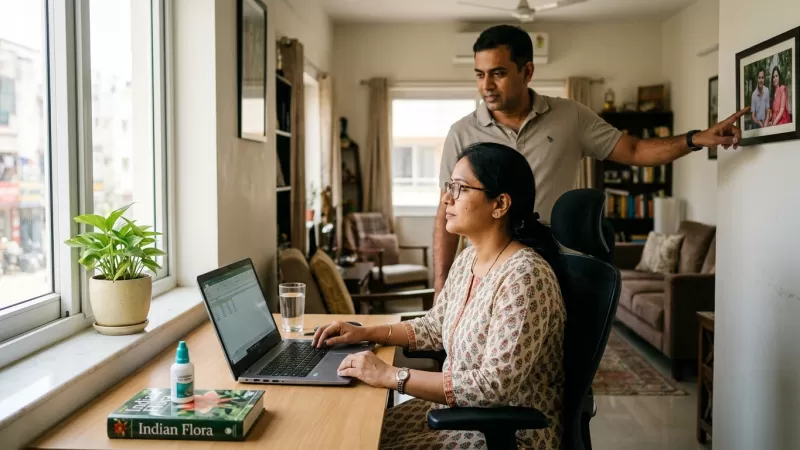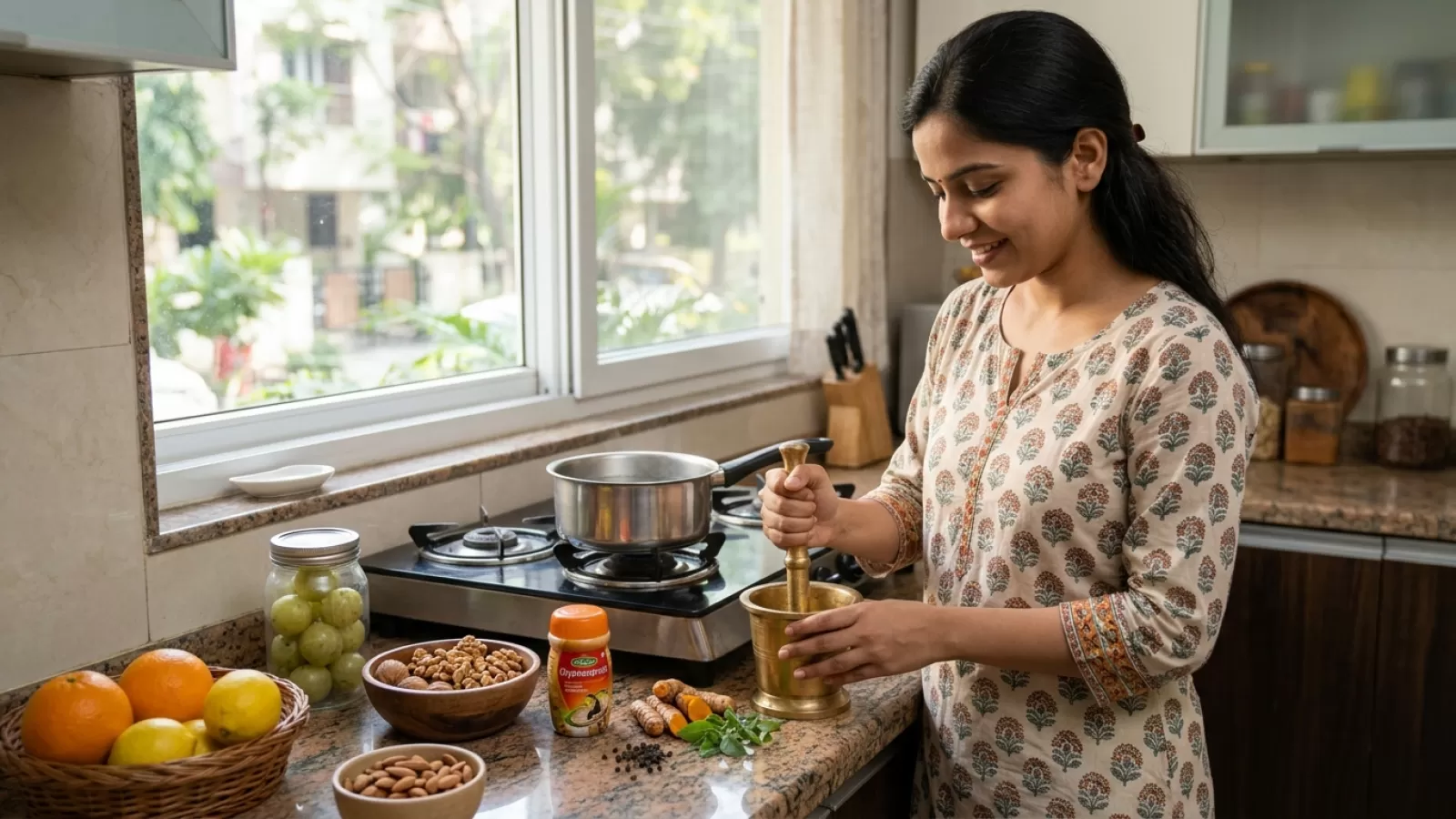
In many Indian homes, the arrival of a new season is almost always announced in the kitchen. The taste of the dal changes, the masalas shift, and that first whiff of roasted methi seeds or ajwain in hot oil seems to say, “It’s time to adjust.” Immunity during Indian seasonal transitions isn’t just a concept; it’s woven into everyday routines, sometimes so gently you may not even notice. Your morning chai might suddenly include a pinch of ginger, or your evening sabzi gets a little extra haldi.
These small shifts are often the difference between a week of sniffling and a smooth glide into the next season. Most families have their own ways—some reach for amla during winter's approach, others swear by steaming hot rasam when the rains start. The trick is, these habits often add up to a quiet, practical immunity boost, even as the entire country seems to be sneezing in chorus.
Why Seasonal Shifts Trigger Illness in Indian Households
Every year, as the seasons turn, many Indian families brace for the “change of weather” illnesses. In North India, the October drop is notorious—one day it's muggy, the next you're hunting for a shawl, and suddenly half the house is coughing. Down South, the first monsoon rains bring not only relief from heat but also a reliable round of sore throats and runny noses. This is why conversations about immunity during Indian seasonal transitions are so common at dinner tables and in WhatsApp family groups.
What’s really happening is that your body, used to one set of conditions, suddenly has to adjust. The air gets drier or damper, food spoils faster, and even your sleep can get thrown off by the change in daylight or humidity. Older adults, children, and those juggling high-pressure jobs in crowded cities like Mumbai or Delhi tend to feel these changes first. It’s not a sign of weakness—just the body’s way of saying, “I need a bit of support.”
Many families have quietly noticed that immunity during season change in India is about more than exposure to cold or rain. It’s about how daily rhythms—what you eat, how you sleep, even how often you open the windows—shift in response. This is why you’ll often find grandmothers reminding everyone to “cover your head” or “don’t drink cold water now.” Sometimes these old habits have more wisdom than we realise.
What Makes Indian Seasonal Transitions So Challenging?
There’s a reason so many adults and children get sick around the same time every year in India. Sudden temperature swings are a big part of it, but there’s also the reality of our living conditions. Many homes in Indian cities are designed for cross-breezes, not central heating or cooling. During the monsoon, dampness seeps into walls and bedding—even into cupboards where we keep our snacks. In winter, the air in North India can be so dry that your skin itches and your throat feels scratchy before you even step outside.
Diet also shifts—sometimes not for the better. During summer, many people lose their appetite and end up eating just curd rice or watery poha. In winter, heavier foods appear, but so do deep-fried snacks and festival sweets. The sudden change in humidity can make it harder to store food safely, leading to more stomach bugs. Fitness coaches who train working adults often find that most movement in Indian homes comes from daily tasks, not planned exercise, so when the weather changes and routines pause, immunity can dip fast.
Another quiet factor is pollution. During season change, especially in cities, air quality can suddenly worsen—think of Diwali smoke in November or crop burning in the North. This puts extra strain on the respiratory system. People living in joint families or close quarters may find that illnesses spread quickly from one person to the next, especially when everyone shares plates, towels, or even just the same glass of water in a rush.
Everyday Clues That Your Immunity Needs Support
- Recurring Coughs and Colds: If you’re reaching for ginger tea or salt water gargles every few weeks as the seasons turn, your body is probably waving a little red flag.
- Tiredness That Lingers: Not just the usual Monday morning blues, but that heavy, dragging feeling that doesn’t lift even after a good night’s rest.
- Sudden Skin Irritation: Rashes, dryness, or itching that appear out of nowhere around the change of weather—especially in kids or older adults.
- Digestive Upset: Loose motions or stomach pain after eating food that’s usually fine. In many homes, the first sign of an upcoming fever is a sudden dislike for regular meals like dal-roti or khichdi.
- Sore Throat at the First Rain or Cold Breeze: That scratchy, uncomfortable feeling that seems to arrive with the change in wind or after the first downpour.
These are not always signs of something serious, but they do suggest your body is working harder to adjust. Sometimes, this is just the body’s normal way of recalibrating. But in many families, these little signs are the signal to start seasonal immunity support India-style—whether that means making a quick batch of tulsi kadha or simply switching to warmer clothes in the evening.
Simple Shifts That Truly Support Immunity During Season Change
- Adjust Your Food, Bit by Bit: When the weather starts to turn, try adding seasonal vegetables to your meals—think pumpkin and methi in winter, lauki and tinda as summer approaches, or drumstick and bottle gourd during the monsoon months. A little extra ginger or black pepper in your chai or dal can help, too. These changes are small, but over time, they often make the transition easier for your body.
- Keep Up with Warm Drinks: Many families in Indian cities have quietly discovered that sipping on warm water or light herbal teas through the day keeps the throat happy when the air turns chilly or damp. During humid summers, plain jeera water or light buttermilk can be soothing, but as soon as the rain starts, it’s back to ginger-tulsi chai or simple soups.
- Focus on Sleep—Even If It Means Saying No: During season change, the urge to stay up late watching TV or scrolling on your phone can be strong. But just a few days of shorter sleep can make you more likely to catch that “change of season” cold. Many working professionals find that sticking to even a loose sleep schedule helps them avoid those predictable sick days.
- Open Windows Strategically: In many Indian homes, windows are thrown open in the early morning when the air is fresh, then closed as the day heats up or pollution levels rise. Letting in fresh air when possible (but not during high-smog hours or heavy rain) can help reduce stuffiness and mould, both of which can challenge your immunity during Indian seasonal transitions.
- Keep Your Hands Clean: This is an old habit that still works. Before every meal, after coming home from the market, and definitely after handling wet clothes or kitchen waste during the monsoon. Simple soap and water—no fancy products needed.
The real trick is to start these habits a little before the weather actually shifts. Many families begin making these small changes as soon as they sense the first signs—a cool breeze in the evening, the first mangoes arriving in the market, or when the water in the steel tumbler suddenly feels colder to the touch.
How These Immunity Shifts Play Out in Daily Indian Life
A kitchen in Nagpur at 6am, late June. The ceiling fan has been switched off because the air feels heavy and wet—monsoon has arrived. The smell of fresh curry leaves hits first, then the sharpness of grated ginger frying in a small kadhai. Outside, you hear the distant rumble of thunder. Someone is filling a thermos with hot water for the day, while another quietly wipes down the window sills, checking for early mould.
In this moment, nearly every action is a quiet nod to immunity during Indian seasonal transitions. The meals are lighter—more moong dal, less oil. Snacks have shifted from fried wafers to roasted makhana. The morning routine includes a quick check: “Did you pack your raincoat?” and “Don’t forget your slippers—it’s muddy.”
Many homes, especially with school-going children and elderly members, start steaming routines or keep a small jar of homemade churna ready. There’s a collective understanding that these weeks are when people get sick—not just because of germs, but because the body is adjusting. It’s not about fighting the season; it’s about giving your body a little nudge to adapt without drama.
When It’s Time to Seek Extra Support
Most seasonal sniffles, coughs, and mild fevers clear up with rest, good food, and household care. But there are moments when things feel different. If someone in your family has a cough or fever that lingers for more than a week, trouble breathing, or suddenly can’t keep food down, it’s wise to talk to a doctor. The same goes for elderly members or small children who seem unusually tired or listless. Indian climate change immunity can be tricky—sometimes small complaints hide a bigger problem.
Common Questions
During season change in India, it’s normal to have a few doubts, especially when family members keep falling sick at the same time every year. Many households wonder if their old routines are enough, or if there’s something more they could try. Let’s look at some common concerns, grounded in the patterns and small realities of Indian daily life.
Why do so many Indian adults get sick at predictable seasonal transition points every year?
In Indian homes, the change from hot to cool or dry to damp happens quickly, and the body sometimes struggles to keep up. When the temperature drops in October or the first monsoon rain falls, your immune system has to adjust to new germs, humidity, and even different food. Many adults are juggling work stress, irregular meals, and late nights, which can make immunity weaker during these times. It’s less about “catching a chill” and more about the body needing time—and support—to adapt.
What specific immunity support practices help Indian adults navigate seasonal transitions without illness?
Simple, everyday habits tend to work best in Indian households. For instance, drinking warm water with a little ginger, adding more turmeric and black pepper to dals and sabzis, and airing out bedding on sunny days. Many families also begin mild steaming or use homemade kadha at the first sign of a tickle in the throat. These small, consistent changes give the immune system a gentle push, making it easier to manage seasonal immunity support in India without falling sick every time the weather changes.
Which traditional Indian seasonal eating habits have the most genuine immunity support behind them?
Some old eating patterns have stood the test of time for a reason. For example, eating amla or guava in winter for vitamin C, making soups and rasam during the monsoon for warmth and hydration, and using spices like haldi, ginger, and garlic year-round. Switching to lighter, less oily foods as summer approaches also helps. These habits aren’t just about tradition; they often match up with what nutrition experts now recommend for immunity during Indian seasonal transitions.
How far in advance of a seasonal transition should Indian adults start adjusting their daily habits to support immunity?
Many Indian families quietly start changing routines as soon as they sense the season turning—even if it’s just a cooler breeze in the evening or a new fruit at the sabziwala’s stall. Ideally, begin making small changes a week or two before the weather fully shifts. For example, you might switch to warmer drinks, adjust your meal timings, or bring out the extra bedsheets before winter arrives. These gentle, early adjustments often help the body adapt without drama.
What are the signs that the body is struggling with a seasonal transition rather than simply adjusting normally?
It’s normal to feel a bit tired or notice a slight cough when the weather changes. But if you or a family member have a fever or cough that lasts longer than a few days, trouble sleeping, or lose interest in regular meals for more than a week, the body might be struggling. In many Indian homes, sudden tiredness, ongoing digestive problems, or skin rashes that don’t settle are signs to pay closer attention. That’s usually when families switch from home remedies to seeking advice from a trusted doctor.