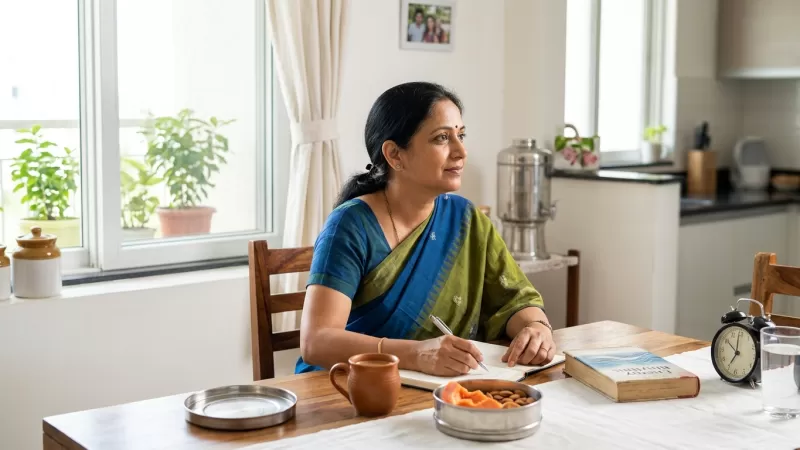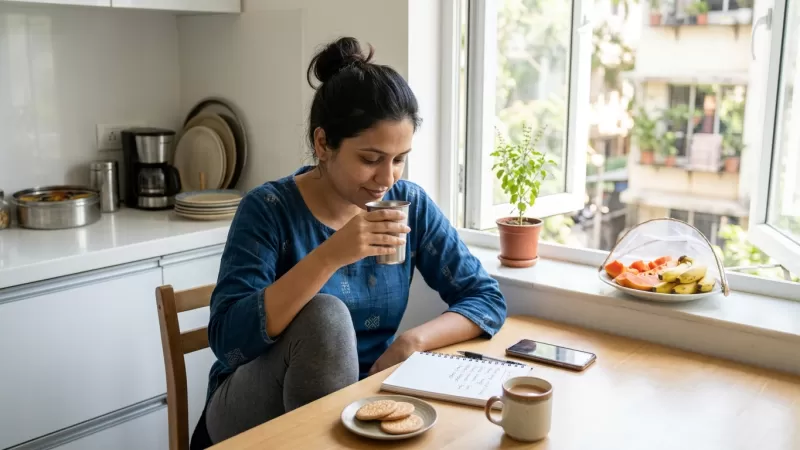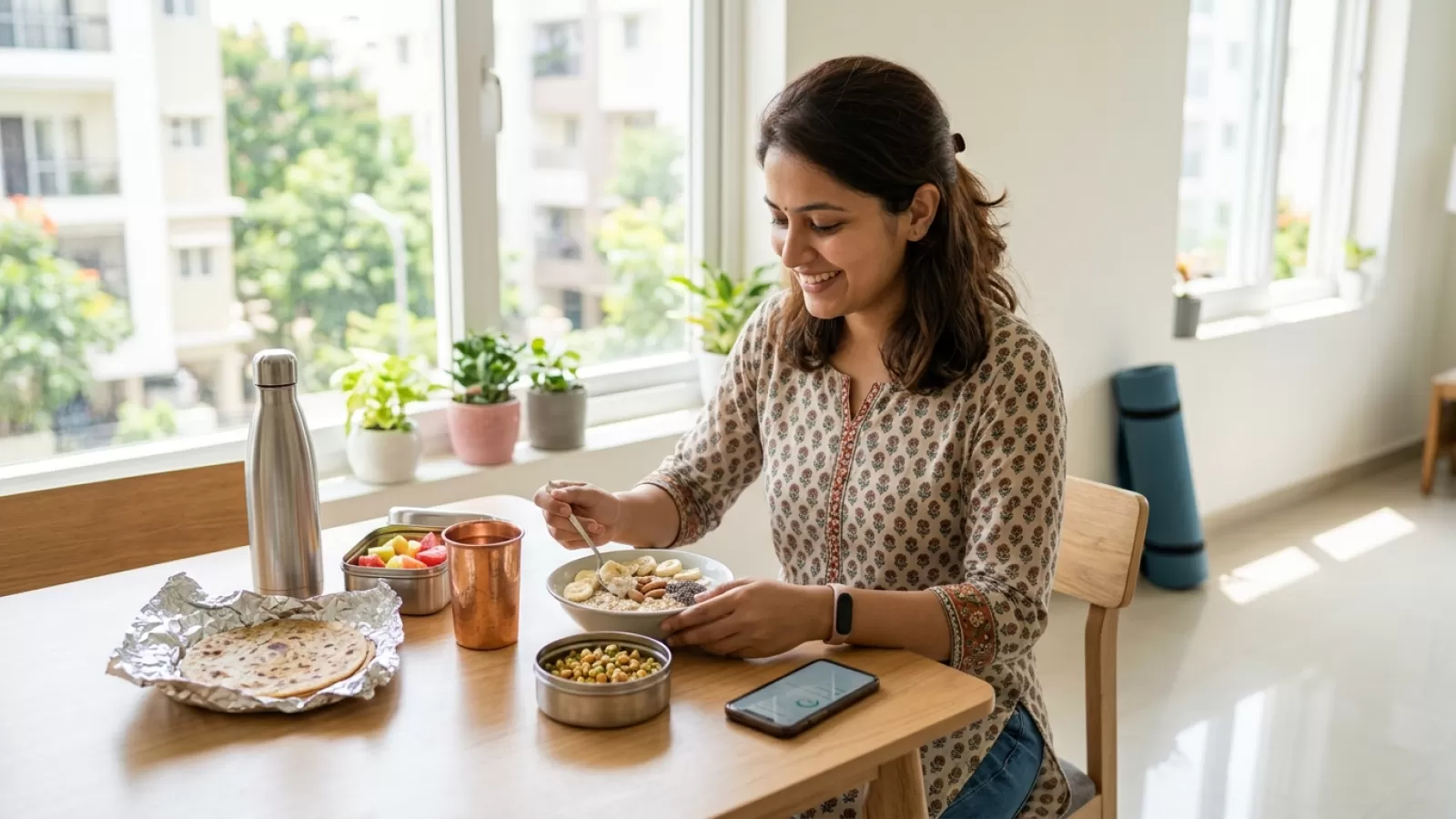
Sometimes, the morning in an Indian home starts with the sizzle of tadka and the clatter of lunch boxes, but the rhythm is rarely the same two days in a row. Whether it's a last-minute work call, a sudden guest, a traffic jam, or a family demand, adults across India know what it's like to have plans thrown off their tracks. For many, trying to stay well when routine changes in India isn't about squeezing everything into a fixed timetable—it’s about finding habits that travel with you, no matter where the day takes you.
One week you might be eating poha at home, the next you’re grabbing upma from a canteen before a meeting, and the week after, you’re skipping straight to chai at 11am. But some wellness habits slip quietly into these different days, almost unnoticed. It’s these small, portable practices—woven into actions that always happen anyway—that often make the difference between just coping and actually staying well.
Why Most Indian Adults Live With Unpredictable Daily Schedules
In many Indian homes, daily routines are more like rough sketches than strict blueprints. Office-goers in Mumbai may be stuck in a local train one day and working from home the next. Homemakers juggle a child’s fever, a leaking tap, and grocery runs—rarely at the same time every day. Seniors might plan a quiet day, only to be swept up in a neighbour’s festival or a power cut.
The reasons are everywhere you look. Work timings, especially in cities, have grown more fluid. Meetings and deadlines shift. Kids’ school timings change after holidays or exams. Family events pop up without much warning. Shared living spaces mean one person’s routine can throw off everyone else’s. The truth is, most Indian adults with changing daily schedules never chose this unpredictability—it’s just how life tends to unfold here.
Trying to maintain health with a disrupted routine in India often means letting go of the fantasy of a perfect, repeatable day. Instead, it’s about being realistic: food will get eaten, sleep will happen, chores will get done. The patterns are there, but the clock time and details keep shifting.
What Makes Routines So Hard To Stick To In Indian Homes
The tricky part is, even your best intentions can fall apart when you live in a typical Indian setup. Meals are rarely at the exact same time. Electricity comes and goes during summer afternoons, throwing off everything from cooking to fan-cooled naps. In joint families, someone else’s needs or moods can easily shift your plan. A working professional in Bengaluru might finish work at 7pm one day and 10pm the next, depending on traffic, client calls, or household chores piling up.
Sleep is another story. Some nights you might doze off peacefully, but on others, a barking dog, festival firecrackers, or a late visitor can keep you awake. Exercise plans often get squeezed out by extra work, changing weather, or a sick relative needing care. Wellness experts who work with urban families often find that most Indian adults end up managing their health with small, repeatable patterns that attach to daily actions—like mindful eating during meals or a calming practice before bed—rather than rigid routines.
Everyone wants to build healthy habits, but the busyness and unpredictability of Indian life means only those practices that don’t depend on a perfect schedule tend to survive.
Clues Your Wellness Habits Aren’t Working For Your Changing Schedule
- Skipping meals or eating chaotically: If breakfast is sometimes at 7am, sometimes at 11am, and sometimes missed entirely, you probably notice energy swings or hunger pangs later.
- Missing sleep or feeling unrested: If your bedtime routine only works on weekends, but is impossible on busy nights, you may feel groggy or irritable in the morning.
- Quick temper or low patience: In many homes, when the day is unpredictable, even small things—a spilled cup of chai, a slow internet connection—can trigger frustration.
- Movement plans falling apart: You plan to walk after dinner, but work calls, family chats, or weather interruptions mean it rarely happens as intended.
- Neglecting self-care: Practices like oiling hair, stretching, or even a few minutes of quiet get brushed aside "for later," which often means never.
Usually, it’s hard to keep up with wellness habits when your daily schedule keeps changing, especially if those habits are tightly linked to a specific time or place.
Portable Wellness Habits That Work When Routines Keep Changing
- Anchor habits to daily actions, not the clock. For instance, mindfulness can be practiced while making chai, gratitude while folding laundry, or deep breathing after locking the main door at night. Attaching wellness habits to actions that always happen—like meals or bedtime—means they travel with your day, no matter where you are or what time it is.
- Flexible food choices within meals. Eating will happen, even if lunch is at 1pm or 3pm. Keeping a small dabba of roasted makhana or chana handy, or adding raw salad or dahi to a meal, is a wellness habit that doesn't require a fixed meal time. Even when you’re grabbing a quick poha from a street vendor, you can skip sugary drinks and go for water or nimbu paani.
- Mini movement breaks—wherever you are. Instead of aiming for a one-hour workout, look for micro-movements: a few stretches while waiting for the pressure cooker to whistle, squats while folding laundry, or a short walk during a phone call. These small actions add up, especially for Indian adults with changing daily schedules.
- Simple pre-sleep rituals, even on late nights. Rubbing a little coconut oil on your feet, dimming the lights, or listening to a calming bhajan for two minutes can signal your body that it’s time to wind down, even if you’re sleeping at midnight instead of 10pm.
- Five-minute resets for the mind. A few deep breaths on your balcony, a quiet moment with your evening chai, or a quick prayer after a stressful call—these tiny pauses help you reset, especially when your schedule is unpredictable.
None of these habits depend on a perfect routine. They fit into the natural flow of Indian life, where unpredictability is more normal than not.
A Kitchen In Nagpur At 6am: The Reality Of Changing Routines
A kitchen in Nagpur at 6am often feels still, except for the low hum of a ceiling fan and the soft click of a gas lighter. Some days, the cook is making sabzi for tiffins before the sun is fully up. Other times, the same kitchen buzzes at 8am, with hurried voices and a kettle whistling as everyone scrambles for breakfast before school and work. The meal might shift from poha to leftover khichdi, depending on how last night went. Someone might be packing dabbas for a long day at the office, while another family member warms milk for chai, squeezing in a few minutes of quiet before the noise begins.
No two mornings look the same here. But some things stick—a quick stretch while waiting for the tea to steep, a mental check-in while chopping onions, a moment of gratitude before serving the first plate. These are the portable wellness habits that help the family stay well, no matter how much the routine changes.
Knowing When To Seek Support
If you notice ongoing exhaustion, mood changes, or health issues that don’t improve even after making small, portable changes, it might be time to talk to a medical professional. In many Indian families, adults are expected to just “manage”—but sometimes, getting an outside perspective is the wisest step. A doctor or counselor can help you figure out if something more is needed.
Common Questions
Everyone's routine gets thrown off sometimes, and in Indian homes, it's almost expected. If you're trying to find portable wellness habits or just want to stay well despite constant changes, you're not alone. Here are some questions that often come up—and some thoughts from everyday life.
What wellness habits are portable enough to maintain regardless of how much an Indian adult's daily schedule shifts?
Portable habits are the ones that fit around daily actions you can't avoid—like eating, sleeping, or basic chores. Examples include taking a minute for deep breathing before your first chai, adding a handful of salad or dahi to your lunch, stretching while waiting for the cooker, or rubbing oil on your feet before bed. In many Indian homes, these habits travel well because they don't depend on a specific time or fancy setup—they just slip into what’s already happening.
How do you stay healthy in India when your job or family situation means no two weeks are the same?
Many people focus on habits that don’t require fixed schedules. For example, a Bengaluru commuter might keep roasted makhana for snacking in traffic, or a homemaker might use the few minutes between chores to stretch or do a quick breathing exercise. The key is to use moments that always happen—meals, bedtime, or even waiting in line—to squeeze in small wellness practices. Flexibility is more useful than perfection here.
Is consistent routine genuinely necessary for health or is it possible to build robust wellness with flexible habits?
While a steady routine can help, most Indian adults with changing schedules do just fine by focusing on flexible habits. For instance, even if dinner is sometimes at 8pm and sometimes at 10pm, eating mindfully and choosing water over sugary drinks can be repeated. Flexible habits that attach to daily actions, rather than the clock, often survive better in unpredictable Indian settings.
What are the most important wellness anchors for Indian adults with genuinely unpredictable schedules?
Anchors that tend to work are: eating mindfully during meals, taking a pause before bed (even just two minutes), moving your body in small bursts, and checking in with yourself emotionally once a day. In many Indian households, these can be done without a fixed schedule or special equipment. The trick is to link them to actions that happen anyway, rather than trying to force them into a strict timetable.
How do you prevent the health deterioration that often accompanies periods of high schedule unpredictability in Indian adult life?
During hectic times, focus on basics: don't skip meals, get some sleep even if not enough, and fit in micro-movements or short resets. For example, a working adult might keep a fruit or nuts handy for rushed mornings and squeeze in a quick walk during a lunch break. Even small, repeated actions can help you maintain health, especially when bigger routines break down. If you notice things aren’t improving, a chat with a doctor can help.