There’s a moment, most weekdays, when offices from Mumbai to Chennai fall into a certain stillness. Overhead fans whir, keyboards slow down, and someone’s phone alarm quietly vibrates—a not-so-subtle nudge that it’s time for the afternoon chai. This pattern, the afternoon energy drop Indian adults feel, is so familiar that many have started structuring their workdays around it instead of questioning why it happens in the first place.
Nearly every working adult in India—those in busy Bengaluru tech parks, government offices in Lucknow, or home-based WFH setups—recognizes that 1:30 to 3:30pm window. After lunch, energy dips low. It’s not just a personal quirk; the afternoon energy drop Indian adults experience is woven into the rhythm of work life here, even shaping the timing of meetings, snack breaks, and focus tasks.
Why the Afternoon Slump Is So Predictable in Indian Workdays
For many, the afternoon slump arrives right after lunch—so steadily that team meetings and client calls are often scheduled for earlier or later in the day. In Indian homes and offices, this isn’t just about feeling sleepy; it’s a blend of physical tiredness, foggy thinking, and the sense that even simple tasks require extra effort. Managing afternoon slump India style often means reaching for tea, coffee, or a small bowl of makhana, hoping for a spark of energy that will carry you through till evening.
The predictability is almost uncanny. The 2pm energy crash Indian professionals talk about is known in nearly every office, whether you’re working from a desk at home with the AC on low (to save power) or from a shared cubicle in a noisy office. Many families in Indian cities have quietly discovered that the afternoon drop isn’t about laziness or lack of motivation. It’s about how daily routines, meal timings, and even the Indian climate can all come together at the same time, every day.
Over time, this pattern has shaped the way work is done: Most people try to schedule focus-intensive work for mornings or late afternoons, leaving the post-lunch hours for emails, paperwork, or routine calls. It’s a practical adjustment, but it doesn’t address the actual reason for the afternoon energy drop Indian adults struggle with.
The Real Causes: Why Does Energy Dip for Most Indians After Lunch?
There’s no single reason for the afternoon energy drop Indian adults experience. It’s usually a mix of what you eat, how you sleep, your movement patterns, and even the weather. Fitness coaches who train working adults often find that most movement in Indian homes comes from daily tasks, not planned exercise. That means by afternoon, your body has already burned through much of the easy energy from breakfast and lunch—especially if those meals were rushed or carb-heavy.
In many Indian households, breakfast is quick—maybe poha, upma, or just tea and a couple of toasts. Lunch tends to be heavier: rice, dal, roti, sabzi, sometimes a sweet, or leftover dinner. The tricky part is, a meal rich in simple carbs but low in protein or fibre can cause a spike and then a sharp drop in blood sugar. This is a common reason for the post-lunch crash. But it’s not the only one.
Hot, humid afternoons don’t help. Many homes experience power cuts or limited AC use, so rooms get stuffy. Add in a bit of dehydration (most people forget to drink water once the morning rush is over), and fatigue builds. Then there’s the body’s own clock: Our circadian rhythm naturally dips in the early afternoon, making us feel sleepy—especially if the night before wasn’t restful.
And let’s be honest: for many, lunch is also the only real break in a packed day. Returning to work straight after eating, without any pause for digestion or a short walk, tends to magnify the effect.
Everyday Signs That the Afternoon Energy Drop Has Arrived
- Yawning and heavy eyelids: Many adults find themselves fighting sleep at their desks or even in meetings. In open offices, someone always seems to be blinking hard around 2:30pm.
- Craving something sweet or a cup of chai: The urge to reach for biscuits, namkeen, or a second round of tea is a familiar signal in most workplaces.
- Work slowing down: Typing gets slower, attention wanders, and it takes longer to finish tasks that felt simple in the morning.
- Short temper or impatience: Small annoyances—like a noisy fan or background chatter—suddenly feel more bothersome.
- Forgetting details: Many notice they lose track of what they were doing, or need to reread emails and documents to absorb information.
These signs are so common that they rarely get discussed—they’re just part of the afternoon rhythm, quietly accepted and worked around.
Practical Habits That Actually Help Prevent the Afternoon Slump
- Balance breakfast and lunch with protein and fibre: Starting your day with protein—like eggs, paneer, dahi, or sprouts—makes a difference. At lunch, mixing dal or chole with whole grains (brown rice, multigrain roti) and plenty of sabzi helps slow sugar spikes. This single step can make managing afternoon slump India-style much easier.
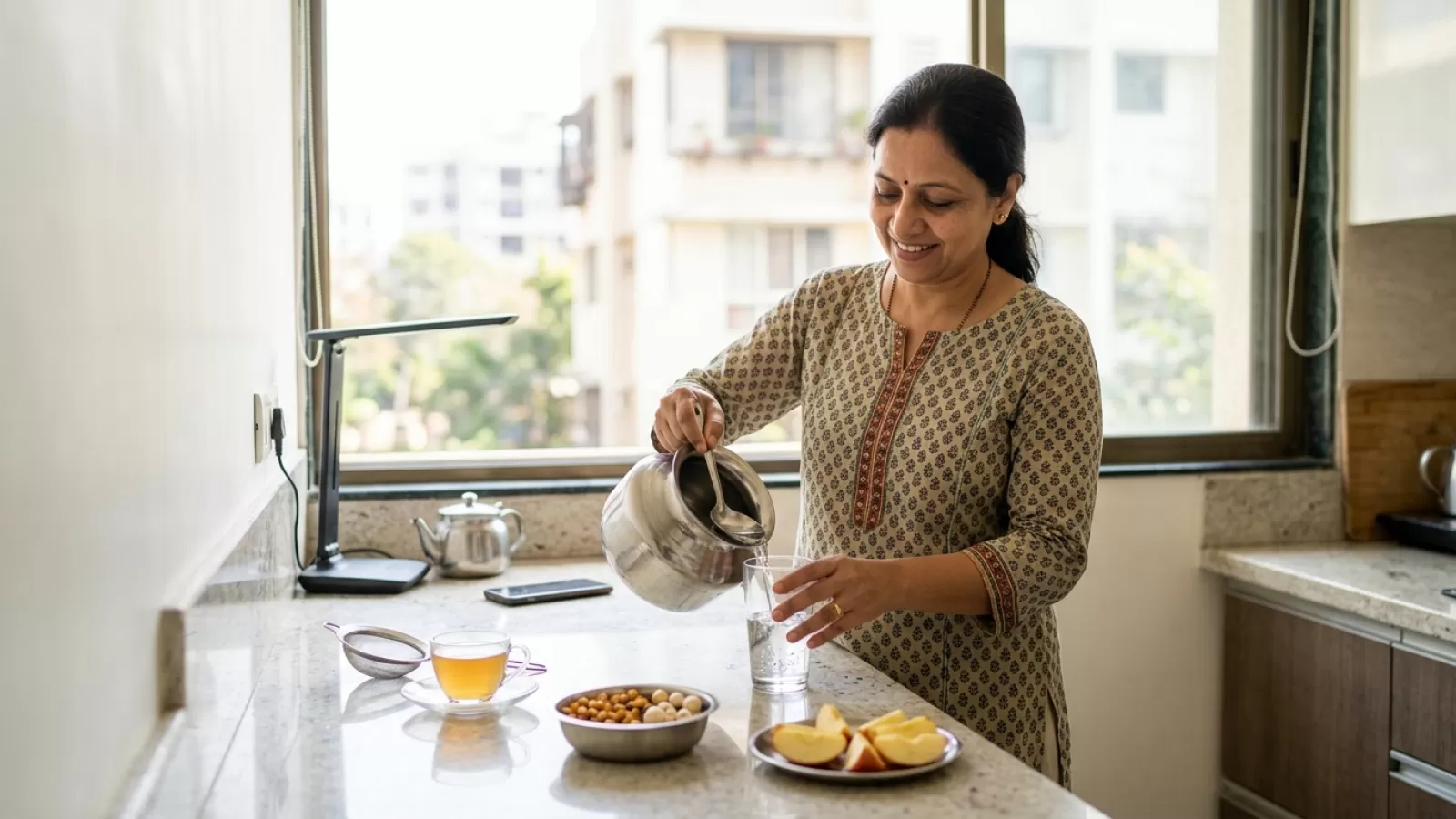
- Hydrate with water, not more chai or coffee: After the morning rush, keep a bottle of water nearby and take small sips through the afternoon. It’s easy to forget, especially if you’re used to reaching for chai at every energy dip. Hydration supports steady energy and prevents headaches.
- Take a movement break—however short: Even if you can’t leave your desk, stand up, stretch, or take a quick walk to the balcony or another room. In joint families, some use the excuse of checking on laundry or making a 2-minute phone call to get their legs moving. Movement helps counteract the 2pm energy crash Indian professionals know too well.
- Plan your most demanding work for mornings or post-4pm: Don’t try to force creativity or deep focus during the afternoon energy drop Indian adults face. Many find they do better with lighter tasks—like replying to emails, organizing files, or making lists—between 1:30 and 3:30pm.
- Pause after lunch, even if just for five minutes: Instead of rushing back to your desk, sit quietly, step outside, or just focus on your breathing. This small reset can steady your system and prevent the worst of the afternoon fatigue India brings during hot seasons.
The catch is, no single habit works for everyone—but these small changes, done consistently, tend to soften the afternoon slump across many Indian households.
How the Afternoon Energy Drop Shapes Real Indian Workdays
Walk into a shared office in Pune around 2:45pm. The AC hums, but the room feels sluggish. Someone returns from the pantry with chai and a Marie biscuit. In the corner, a video call is on, but the participants keep glancing at their phones or doodling in their notepads. The manager’s voice is steady, but everyone is subtly managing their attention, waiting for energy to return.
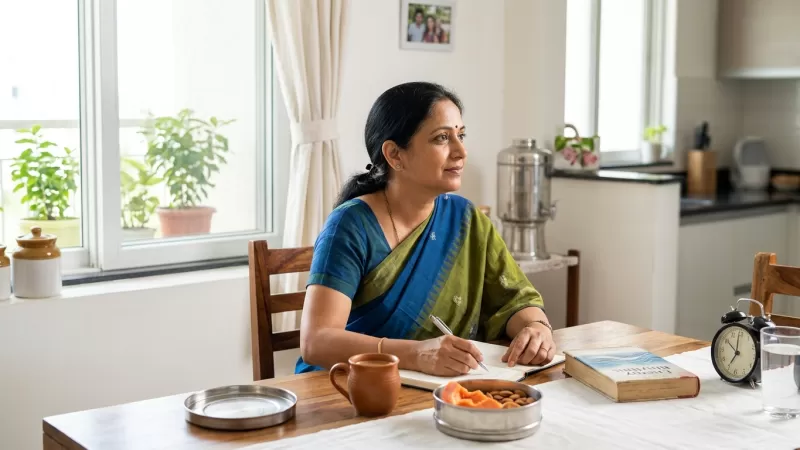
At home, the scene repeats. A working professional dialing in from her dining table feels her eyes droop; she quietly mutes the call and takes a quick walk to the balcony before settling back. The 3pm chai ritual brings a brief lift, but the real pattern doesn’t shift unless habits around meals, movement, and rest do.
Many families have accepted that the afternoon energy drop Indian adults experience is a normal part of life. Over years, it has shaped everything from when schoolchildren do their homework (usually after 4pm) to when elders schedule their walks (early evening, once the heat and fatigue have faded).
How to Tell When It’s Time to Ask for Help
If you find that your afternoon fatigue is extreme—making it hard to work, focus, or even stay awake—despite trying practical steps for preventing afternoon fatigue India style, it might be time to check with a doctor. Sometimes, issues like sleep disorders, anemia, or other health conditions show up as persistent daytime sleepiness. In most homes, a little tiredness is normal, but ongoing or severe fatigue deserves attention.
Common Questions
The afternoon energy drop Indian adults deal with can feel mysterious, but you’re not alone in wondering about it. Many Indian households and professionals have similar questions about why this happens and what actually helps. Let’s explore some of the most practical and real-world answers, grounded in the daily rhythms of work and home.
Why does the afternoon energy drop arrive at such a predictable time for Indian working adults?
The afternoon energy drop Indian adults experience tends to show up between 1:30 and 3:30pm because it’s a mix of circadian rhythm and typical meal patterns. After lunch—often the heaviest meal—your body diverts energy to digestion, especially if the meal is rich in rice, roti, or sweets. Add in a natural dip in alertness during early afternoon, and you get that predictable slump. In Indian offices, this pattern is so common that meetings and important work often get scheduled around it.
What morning and lunchtime habits most effectively prevent the afternoon energy drop rather than just managing it?
Eating a breakfast with protein and fibre (think dahi, eggs, or sprouts) and a lunch that isn’t overly heavy or high in simple carbs can really help. Many families who include dal, sabzi, whole grains, and salad at lunch find the afternoon is less tiring. Also, drinking water regularly in the morning and after lunch—not just chai—keeps energy steady. Small post-lunch walks or stretches, even inside your home, can make a noticeable difference in managing afternoon slump India style.
Is the afternoon drop in Indian adults primarily a blood sugar issue, a circadian issue, or something else?
It’s usually a combination. The 2pm energy crash Indian professionals feel is partly due to blood sugar rising and falling after a carb-heavy lunch, but the body’s internal clock (circadian rhythm) also naturally dips in the early afternoon. Hot weather, dehydration, and lack of movement add to the effect. That said, if the drop is extreme or comes with other symptoms, it’s wise to check with a healthcare provider to rule out any underlying issues.
How do Indian professionals maintain productive focus through the afternoon energy window without relying on caffeine?
Many professionals plan their most demanding work for mornings or later afternoons and save routine tasks for the post-lunch window. Small movement breaks—like walking to the kitchen, stretching, or checking on a household chore—can help. Some keep a bottle of water at their desk and sip regularly. Others find that a light snack of nuts or fruit works better than another cup of chai. Preventing afternoon fatigue India style often means building small, steady habits rather than relying on caffeine alone.
What is the most effective single habit change for Indian adults who want to experience less severe afternoon energy drops?
Balancing lunch—adding more protein (dal, chole, paneer) and fibre (salad, vegetables) while reducing simple carbs—tends to be the habit that helps most in preventing afternoon fatigue India style. Many in Indian homes notice that when lunch is lighter and more balanced, the afternoon energy drop Indian adults expect is much softer or even barely noticeable. Small, regular movement breaks after lunch also help, but lunch changes usually bring the biggest shift.