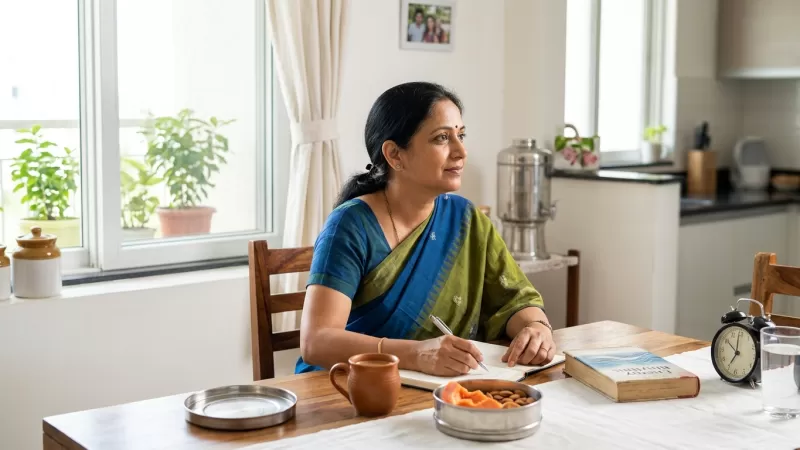
In many Indian homes, the feeling of steady comfort through an Indian day quietly slips away, not from one dramatic event, but from a series of small things: missing that first glass of water, skipping fruit with breakfast, letting lunch get pushed later and later, or ignoring that nagging ache in your lower back until evening. These small deficits pile up unnoticed, and by the time dinner is on the table, you might notice your patience, energy, and even your smile have thinned out.
Maintaining wellbeing all day in India often feels like a balancing act between family needs, work demands, and the constant churn of daily life. Most of us don’t realize our comfort is eroding until we suddenly feel utterly drained, snapping at the kids or collapsing in front of the TV after dinner, too tired for even a quiet cup of chai. If you’ve ever wondered why your reserve runs dry before the day is done, you’re not alone.
Why Minor Deficits Add Up in Indian Daily Life
Across urban and semi-urban India, household routines are built on a foundation of small, repeated actions — filling the water bottles, chopping vegetables, folding laundry, or fielding WhatsApp pings from work. The trouble is, when your morning starts late or your afternoon break is cut short, these small disruptions rarely fix themselves. Over time, each little deficit — whether it’s hydration, rest, or a skipped meal — quietly eats away at your baseline comfort.
In multigenerational homes, it’s even more pronounced. A homemaker might notice her patience dissolving by midweek, not because of any one big stressor, but because every day has taken a little more than it gave back. A working professional commuting in Bengaluru might start Monday feeling fresh, but by Thursday is only running on half capacity, simply because nothing genuine was restored between Sunday night and Thursday afternoon. It’s rarely dramatic — just a slow, subtle drain that everyone learns to live with, but few talk about.
How Indian Routines Quietly Drain Comfort and Energy
The tricky part is that most Indian adults don’t notice these losses while they’re happening. Our routines — from the early morning chai to the late-night WhatsApp work group messages — often leave little room for genuine rest or small acts of restoration. Social expectations also play a part; in many homes, the need to always be productive or available means even a five-minute breather is seen as a luxury.
Nutritionists who study daily comfort habits in India often find that adults here tend to push through hunger, thirst, or fatigue, only to feel depleted by day’s end. Meals get rushed, hydration is pushed aside for chai, and actual breaks are given up for household chores or work calls. Add to this the habits of late-night screen time, unpredictable power cuts in summer, and the expectation to manage everything — it’s no wonder genuine wellbeing is hard to maintain across a full Indian day.
Everyday Signs Your Comfort and Wellbeing Are Slipping
- Midday headaches or brain fog: Often starts after a rushed breakfast or too many hours without water, especially during humid months.
- Short temper or irritability by evening: In many homes, this is a sign that patience and energy have been steadily chipped away all day.
- Craving fried snacks or sweets late afternoon: Not always hunger — sometimes your body is trying to make up for accumulated deficits.
- Aches in your back, shoulders, or legs: Usually a result of long periods of sitting, standing, or doing chores without short movement breaks.
- Feeling too tired to enjoy the evening: If you find yourself collapsing after dinner, too weary for even a quiet chat, that’s often a sign your reserves were used up long before sunset.
Small Shifts That Restore Steady Comfort Through an Indian Day
- Start mornings with hydration, not just chai: Filling your steel glass with water before tea is a tiny act, but it quietly supports consistent energy for Indian adults. Especially in summer, this sets you up for better comfort through the day.
- Schedule a real pause after lunch: Many people in Indian cities have quietly discovered the power of a ten-minute break after lunch — whether it’s a walk in the balcony, a few stretches, or just sitting quietly with dahi or fruit. This small act often restores more than you expect.
- Prep evening snacks during your afternoon slump: Cutting some fruit, roasting makhana, or setting curd in the afternoon can be a gentle, mindful reset — and it keeps you from reaching for packaged fried snacks later.
- Open a window or step outside for a few minutes: When the house feels stuffy or your mind feels jammed, changing your air and light, even briefly, has a tangible effect on wellbeing.
- Let yourself say 'no' or ask for help: In many joint families, the unspoken rule is to manage everything. But letting yourself delegate a chore or postpone a non-urgent task is a powerful act of daily restoration.
How These Small Losses and Restorations Look in Real Life
A kitchen in Nagpur at 6am smells of jeera tadka and warm roti. The windows are still foggy, but the house is already gently humming. Someone pours water into copper bottles for the family, while another flips poha on the stove. By 9am, everyone is rushing — one person leaves their breakfast half-eaten, another skips their morning stretch. By 2pm, after a hurried lunch and a string of calls, the house feels heavy. The air is thick, tempers are short. But in one quiet corner, a grandmother peels an orange, sits by the window, and takes five minutes for herself. That little act — often overlooked — is how steady comfort through an Indian day is preserved, moment by moment.
When Minor Discomforts Need a Little Extra Attention
Most of the time, these everyday comfort deficits can be managed with small changes and regular check-ins with yourself. But if you notice persistent exhaustion, pain, or mood changes that don’t improve with rest or small acts of restoration, it’s wise to speak to a doctor. Sometimes, what feels like ordinary tiredness could have another cause, and a professional opinion is always a good idea.
Common Questions
Every Indian home finds its own rhythm, but a few practical questions about maintaining wellbeing all day in India come up again and again. Here are some thoughtful answers, drawn from what many families notice in their real, everyday routines.
What are the most effective daily practices for maintaining genuine wellbeing across the full arc of an Indian working day?
For many working adults, the most effective habits are actually simple: starting the day with a big glass of water, having a proper breakfast (even just fruit and dahi), and making time for a quick walk or stretch break mid-morning. In many households, prepping a wholesome tiffin the night before or eating lunch away from screens helps keep energy steady. Evening rituals, like making chai together or taking five minutes to sit quietly before dinner, also make a real difference in restoring comfort.
How do you prevent the typical afternoon and evening depletion that most Indian adults accept as inevitable?
Preventing that late-day slump usually comes down to a handful of small, repeated actions: drinking enough water after lunch, stepping away from your desk or chores for a few minutes, and choosing light snacks like roasted chana or fruit instead of deep-fried foods. Many adults find a quick face wash or going out to the balcony for fresh air helps reset the mood and energy. If you can, try to finish heavy tasks earlier in the day and leave lighter chores for the evening.
Which small daily acts of restoration most efficiently prevent energy and wellbeing from deteriorating across the day?
Some small acts that make a big difference include: stretching your arms and back after long calls, closing your eyes for a few breaths between tasks, or even listening to a favorite old Hindi song for two minutes. In many Indian homes, taking a short break after lunch, or sharing a joke with someone at tea time, can restore more energy than you’d expect. Keeping a bottle of water nearby and actually sipping from it (not just for show!) also pays off by evening.
How do Indian adults who care for many people simultaneously protect their own wellbeing through the full day?
Adults caring for family often protect their wellbeing by setting tiny, non-negotiable rituals — like a quick stretch before starting chores, or a quiet cup of chai before the evening rush. Many also learn to ask for small bits of help from others, even if it’s just for ten minutes. Some find that giving themselves permission to rest for a few moments, without guilt, helps them care better for others across the day. It’s not about grand gestures, but about small, steady acts of self-kindness.
What is the single most important wellbeing habit for maintaining consistent daily function as an Indian adult?
For most, the single most important habit is checking in with yourself a few times a day — noticing if you’re thirsty, hungry, or just need a pause. Many adults say that when they pay attention to these small signals, it’s easier to keep energy and comfort steady. This one habit often prevents bigger problems from building up, and helps you respond gently to your own needs, even on the busiest days.