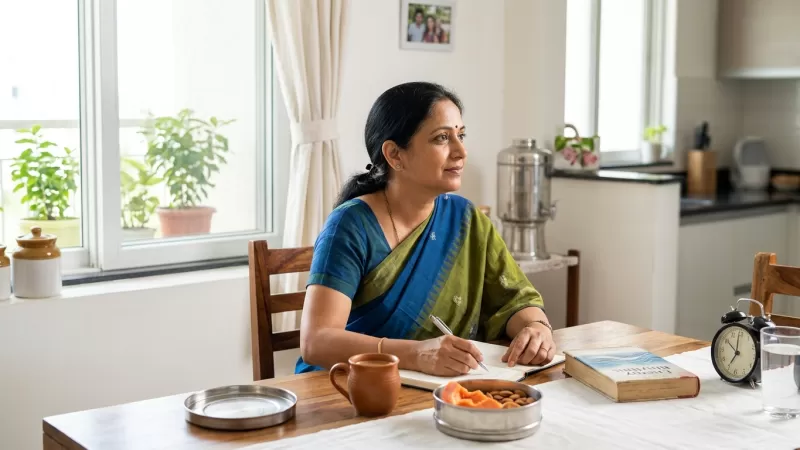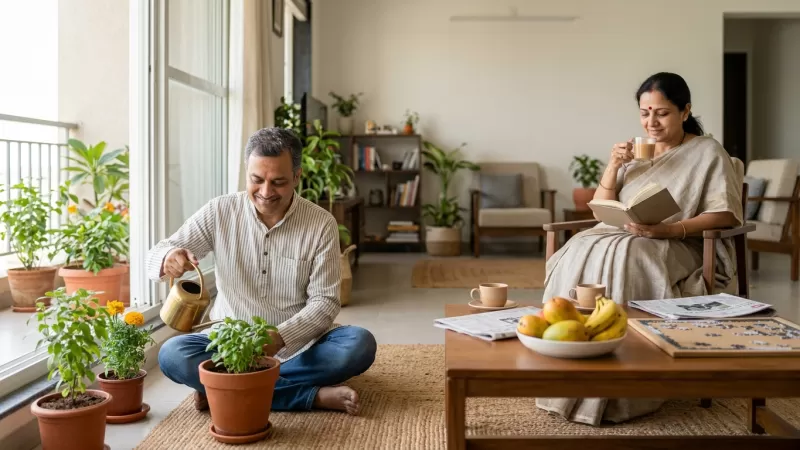
Some mornings in Indian homes, the first sign that it’s a low energy day isn’t even physical—it's the way the alarm rings and somehow, no one in the house moves right away. The usual rush for the bathroom is slower. Even the chai tastes less lively. Functioning on low energy days in India doesn’t always mean you can just stop everything or power through with extra cups of tea. The rhythm shifts, and families quietly adapt in their own ways.
In these moments, functioning on low energy days India becomes less about doing it all, and more about choosing what truly matters. There’s a skill, often learned the hard way, in picking the minimum necessary—making sure lunch is cooked, the urgent work call is taken, the child is sent to school somehow—and letting the rest wait for a stronger day.
How Low Energy Days Quietly Shape Indian Family Life
Most Indian adults experience a low energy day at least once or twice a month, sometimes more during peak summer, after festivals, or in the thick of work deadlines. In joint families, you might notice one member quietly moving slower, while others pick up the slack. In nuclear homes, it’s often the homemaker or the parent who feels the pressure to keep everything running, even when their own body seems to hit pause.
The tricky part is, there’s rarely space to fully rest—responsibilities don’t stop for anyone. There are tiffins to pack, elders to check on, WhatsApp work messages piling up, and evening meals to plan. So, many adults in India have developed their own low energy day strategies. They focus on gentle functioning low energy India-style—doing only what is necessary, with as much presence as possible, rather than running on autopilot or giving up entirely.
It’s a quiet skill: choosing what truly cannot wait (maybe cooking rice and dal, paying a bill before a deadline, or guiding a child through homework), and letting the less urgent slide for a day. This approach is not giving up—it’s choosing sustainability, so you can recover faster and avoid a spiral of three tired days after one tough one.
Why Indian Adults End Up Facing These Days
There are many reasons for low energy days, especially in the Indian context. Power cuts on humid nights, noisy neighbourhoods, festival late-nights, heavy food, or simply the constant balancing act of work and home. Long commutes in traffic, working late to match overseas calls, or waking up early to help children with studies—all add invisible load.
Nutrition also plays a role. Skipping breakfast for a rushed school run or relying on chai and biscuits for energy can leave you drained by mid-morning. Sometimes, the weather itself—hot, sticky summers or the dullness of monsoon—makes the body slow down. Stress from work, family expectations, or money worries often sits quietly in the background, draining reserves without you noticing.
One more layer: In many Indian households, there’s a silent expectation to manage everything without complaint. That said, gentle functioning low energy India-style means acknowledging that some days, capacity is limited—and that’s normal.
Nutritionists who work with Indian families often find that low energy is less about a single missed meal and more about the long-term habit of putting everyone’s needs before your own, especially for homemakers and working parents.
Clues That Your Body Is Running Low
- The urge to skip or simplify meals. You might notice that cooking feels like a mountain, and you reach for poha or curd rice instead of full sabzi-roti-dal.
- Movement feels heavy. Climbing stairs, standing at the stove, or even folding laundry seems to take double the usual effort.
- Brain fog or forgetfulness. On low energy days, it’s common to misplace keys or forget the next step in a recipe you’ve made a hundred times.
- Shorter fuse. Small irritations—a spilled glass of water, slow internet during a meeting, children bickering—feel bigger than usual.
- Desire to withdraw. You might avoid phone calls, keep conversations brief, or skip social plans, even online ones.
Sometimes, these signs are subtle; other times, they’re loud enough to pause the entire household routine.
Practical Ways to Navigate Low Energy Days Without Overdoing or Quitting
- Pick your non-negotiables. Identify the minimum necessary tasks—packing tiffins, checking on elders, basic work deadlines, making sure everyone eats something—even if it’s just dahi chawal. Let the rest slide. Laundry, deep cleaning, or extra projects can wait.
- Batch and simplify meals. On these days, many Indian homes quietly shift to one-pot meals like khichdi, upma, or simple dal rice. Some families keep roasted makhana or fruit handy for snacks, so no one has to cook or clean extra.
- Communicate gently. If you’re too tired, a simple “Aaj thoda thakawat hai, isliye simple khana banega” (I’m a bit tired today, so the meal will be simple) can reset expectations at home. At work, a quick message about limited bandwidth can help manage meetings or deadlines, even if you can’t fully explain.
- Rest in small pockets. Even ten minutes lying down between chores, a cup of tea in quiet, or closing your eyes while the pressure cooker whistles—these tiny breaks add up and help recovery.
- Drop the guilt. Remind yourself: Minimum-function days are part of real life. Everyone in the family benefits when you protect your reserves rather than running on empty.
The hardest part is usually mental—accepting that letting some things wait is not failure, but a practical life skill. Gentle functioning low energy India-style is about doing fewer things, but doing them with more presence.
How Gentle Functioning Actually Looks in Indian Routines
Many families in Indian cities have quietly discovered that functioning on low energy days India-style often means simplifying routines. On a hot May afternoon in a Delhi apartment, the main meal might be dahi rice with pickle and papad, rather than a full thali. Children are encouraged to nap, elders rest in front of the fan, and even work-from-home adults may take calls lying on the sofa rather than at a desk.
A working professional commuting in Bengaluru might realize that the usual after-office walk is skipped, and dinner is ordered from the neighbourhood tiffin service. In joint families, someone else might offer to take over one meal, or the household agrees to leave the floor mopping for another day.
In these moments, the family rhythm changes a little: less noise, simpler food, more acceptance that not everything must happen today. The next morning often arrives with a little more energy, because capacity was protected rather than spent on non-urgent tasks.
Recognising When Low Energy Is More Than Just a Tired Day
If you notice that low energy days are happening more often—say, most weeks, or for several days in a row—it might be time to gently check in with a doctor. While gentle functioning low energy India-style is a smart strategy for occasional tiredness, ongoing fatigue can signal something deeper, like a health condition that needs attention.
If you find yourself unable to do even the bare minimum for several days, or if you notice new symptoms like unexplained weight loss, fever, or sadness that won’t lift, it’s wise to speak to a healthcare professional. There’s no harm in asking—sometimes, just ruling out a health issue brings peace of mind.
Common Questions
You’re not alone in wondering how to manage low energy Indian adults style, especially when life keeps moving. Many households face these questions quietly, adjusting routines and expectations as needed. Let’s look at some practical answers rooted in everyday Indian family rhythms.
What is the most effective strategy for Indian adults on genuinely low-energy days who still have responsibilities?
The most effective approach is to identify the minimum necessary daily tasks and focus only on those. For example, a homemaker might decide that cooking rice and dal, checking homework, and finishing one urgent work call are the priorities. Laundry, deep cleaning, or elaborate meals can wait. This minimum-functioning style allows you to conserve energy for recovery, instead of spreading yourself thin and needing even longer to bounce back.
How do you distinguish between a low-energy day that needs rest and one that needs gentle movement and nutrition?
In many Indian homes, rest is chosen when even simple movement feels exhausting, or when you’re fighting off a cold or fever. Gentle movement and nutrition help when you’re just mentally tired but still able to move around. For example, if you can manage to cook a simple poha or take a short walk to the market, movement may help. But if standing at the stove feels impossible, it’s probably a day for extra rest, light meals, and more fluids.
What are the minimum necessary daily functions that most Indian adults genuinely need to maintain even on the lowest energy days?
Usually, the minimum includes: basic meals (even if it’s just curd rice), checking in on children or elders, taking essential medicines, and responding to urgent work or home messages. Everything else—extra cleaning, social calls, non-urgent errands—can wait. Many families find that sticking to these bare essentials is enough to keep the household running without draining reserves.
How do you communicate a low-energy day to your household or workplace in Indian culture where admitting low capacity is often poorly received?
It helps to use simple, factual language. At home, saying, “Aaj zyada energy nahi hai, isliye simple khana banega” sets expectations gently. In workplaces, a quick, polite message like, “I’m running low on energy today, will focus on urgent tasks and respond to the rest tomorrow,” is usually understood. Over time, families and teams often learn to accept these signals, especially when you model it calmly without drama.
When do consistently low-energy days in an Indian adult indicate something beyond lifestyle that deserves medical attention?
If you notice that you’re having low energy days most weeks, or if you’re unable to do even simple tasks for several days in a row, it’s wise to check with a doctor. In Indian homes, ongoing fatigue could be a sign of an underlying health issue—like thyroid, anemia, or even stress-related concerns. It’s always okay to ask for help, especially if you notice new symptoms like fever, weight change, or sadness that lingers.