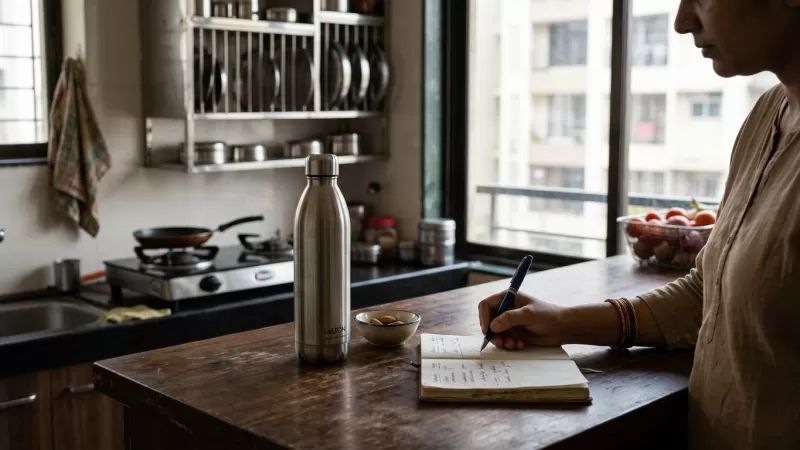
Some mornings, you wake up and feel like your body is anchored to the bed. There’s a heaviness in the arms and legs, maybe a dull ache, or just a general sense that everything is slower than usual. In many Indian families, this is quietly accepted as part of life—sometimes it’s from a late-night dinner, sometimes from the weather, or just the usual ups and downs of routine. Still, gentle habits can make these mornings feel a little lighter, both for you and your family.
Listening to Subtle Body Signals
When you wake up feeling heavy, it’s easy to push yourself to ignore it, especially on busy weekdays. But many people find that tuning in—just for a moment—can actually help. Notice where the heaviness is: Is it mostly in your legs? Do your fingers feel stiff? Is your mind foggy or just your body?
This awareness doesn’t mean you have to analyze everything. Sometimes, simply sitting up in bed and moving your toes and fingers gently is enough to start. You might want to:
- Sit quietly on the edge of your bed for a minute
- Roll your shoulders and stretch your arms above your head
- Take a slow, deep breath, letting your chest rise and fall naturally
These small acts of listening help you move with your body, not against it. It’s a small kindness you can give yourself, even if the rest of the morning is rushed.
Moving Gently—Not Forcing It
The tricky part is, many wellness routines in magazines or online seem intense—early-morning jogging, complicated yoga flows, or power-packed workouts. But on mornings when your body feels heavy, it’s usually wiser to keep things light and gentle.
Simple stretches in bed or slow walking around your room can help. You could try:
- Rotating your ankles and wrists a few times
- Bending forward gently while sitting, letting your hands rest on your knees
- Standing up and slowly marching in place for a minute or two
You don’t need perfect form or a mat. In fact, many seniors and homemakers find that a gentle stroll to the balcony or verandah to look at the morning sky helps shake off some of that heaviness, especially when it’s pleasant outside.
Warm Water and Simple Sips
Most Indian homes start the day with a cup of chai or coffee. On heavier mornings, a glass of warm water—plain, or with a few drops of lemon—can feel surprisingly comforting. It’s an old trick, but many people say it helps their body feel a bit lighter, especially after a late or spicy dinner the night before.
It’s not about strict rules. If you prefer your morning tea, go ahead, but maybe sip it slowly instead of gulping it down. For some, slowly sipping warm water before tea gives a gentle start to the digestive system.
Sometimes, you’ll notice family elders quietly doing this without making a fuss. There’s something calming about the warmth, especially on cool winter mornings or during the rainy season when the body feels a bit clogged.
Breakfast That Doesn’t Weigh You Down
On days when you’re already feeling sluggish, it helps to keep breakfast light and easy to digest. Many Indian breakfasts—like poha, upma, or a simple bowl of dahi with fruit—tend to work well. The idea is to avoid oily, heavy foods first thing in the morning, at least on such days.
You might consider:
- A small bowl of moong dal cheela or plain idli
- Some fresh papaya or banana
- Even leftover roti warmed up with a little ghee
Here’s the catch: skipping breakfast completely might make you feel more tired by mid-morning. But forcing yourself to eat a full meal when you’re not hungry isn’t helpful either. Small, gentle portions usually work best.
Adjusting Your Morning Routine
On days when you feel heavy, it’s okay to move a little slower. This isn’t always possible—especially with school runs, office calls, or household chores. Still, even a five-minute pause can help set a calmer tone for the day.
Try preparing clothes, bags, or tiffins the night before if you can. That way, you’re not scrambling in the morning. Some families have found that playing soft music or bhajans while getting ready helps everyone move at a gentler pace.
It’s not about being lazy—it’s about being kinder to yourself, so you’re less likely to snap at others or start the day feeling already exhausted.
Light Exposure and Fresh Air
Opening the windows or stepping outside, even for a few minutes, makes a difference. Early sunlight, especially before 9 am, is gentle and can make you feel more awake. You’ve probably noticed elderly neighbours standing on the terrace or verandah early in the morning, soaking up the fresh air.
Even if you live in a flat, standing by an open window or stepping onto the balcony can help. On days with high pollution, it’s wise to avoid going out, but you can still get some benefit from natural light indoors.
Sometimes, just seeing the sky or listening to birds can help shift your mood, even if you’re carrying that heavy feeling for a while.
Managing Expectations – With Yourself and Family
One thing that often goes unsaid: Not every morning needs to be energetic. It’s alright to let your family know you’re feeling a bit slow. Children, partners, or elders may need a gentle reminder that everyone has such days.
If you’re the one who manages most tasks at home, it can be hard to ask for help. But sharing the load—even in small ways—can ease that morning heaviness. Maybe someone else can handle the tea, or the breakfast for a day.
It’s easy to feel guilty, especially if you’re used to doing everything yourself. But giving yourself permission to slow down occasionally is not a weakness. In fact, it’s one of the most practical wellness habits there is.
When to Rest and When to Seek Support
Most of the time, body heaviness on waking fades away after a gentle start, a warm drink, and some movement. But if you notice this happening often, or if it’s stopping you from doing basic things, it’s sensible to mention it to your family and consider if you need any further help.
For the occasional heavy morning, rest is sometimes the best approach. If you can, allow yourself an extra ten minutes in bed, or a slower morning. Many families quietly deal with this by letting elders or children sleep in on weekends or after festivals.
No need for alarm—just a little more kindness and patience with yourself. Because, as you’ve probably seen in your own home, the most lasting wellness habits are the ones that fit gently into your real life, not the ones that demand perfection every single day.