You’ve probably noticed how, in many Indian homes, the day often begins and ends with someone else’s needs—packing tiffins, helping with homework, checking on elders, or answering late-night work calls. It’s so easy to fall into a rhythm where your own small needs—drinking enough water, resting your legs for a few minutes, even remembering to eat on time—quietly slip into the background. The tricky part is, over time, this habit of putting yourself last starts to show up in tired faces, aching backs, and minds that feel constantly restless.
Why Do We Ignore Our Own Needs?
In Indian families, caring for others is often seen as a sign of love and strength. From a young age, you might have watched mothers skipping meals or fathers ignoring back pain so that everyone else could be comfortable. It’s an almost invisible expectation in many homes, especially for homemakers and working parents: “manage everything, and don’t complain.”
But here’s the catch—your body doesn't ignore those skipped meals or missed breaks. Over months and years, these small sacrifices add up. Fatigue settles in. Minor health issues quietly become bigger. You might even find yourself feeling irritable or unmotivated, and sometimes it’s hard to connect the dots.
It’s not about being selfish. It’s about realising that your well-being is the foundation that supports everything else at home. If you’re running on empty, it gets harder to keep everything together.
The Power of Small, Subtle Reminders
Many people assume that building wellness habits means carving out a special hour for yoga, joining a gym, or sticking to a strict routine that feels impossible on busy days. That said, most Indian households run on unpredictable schedules—power cuts, guests dropping in, work calls at odd hours, or children needing help with homework right when you finally sit down.
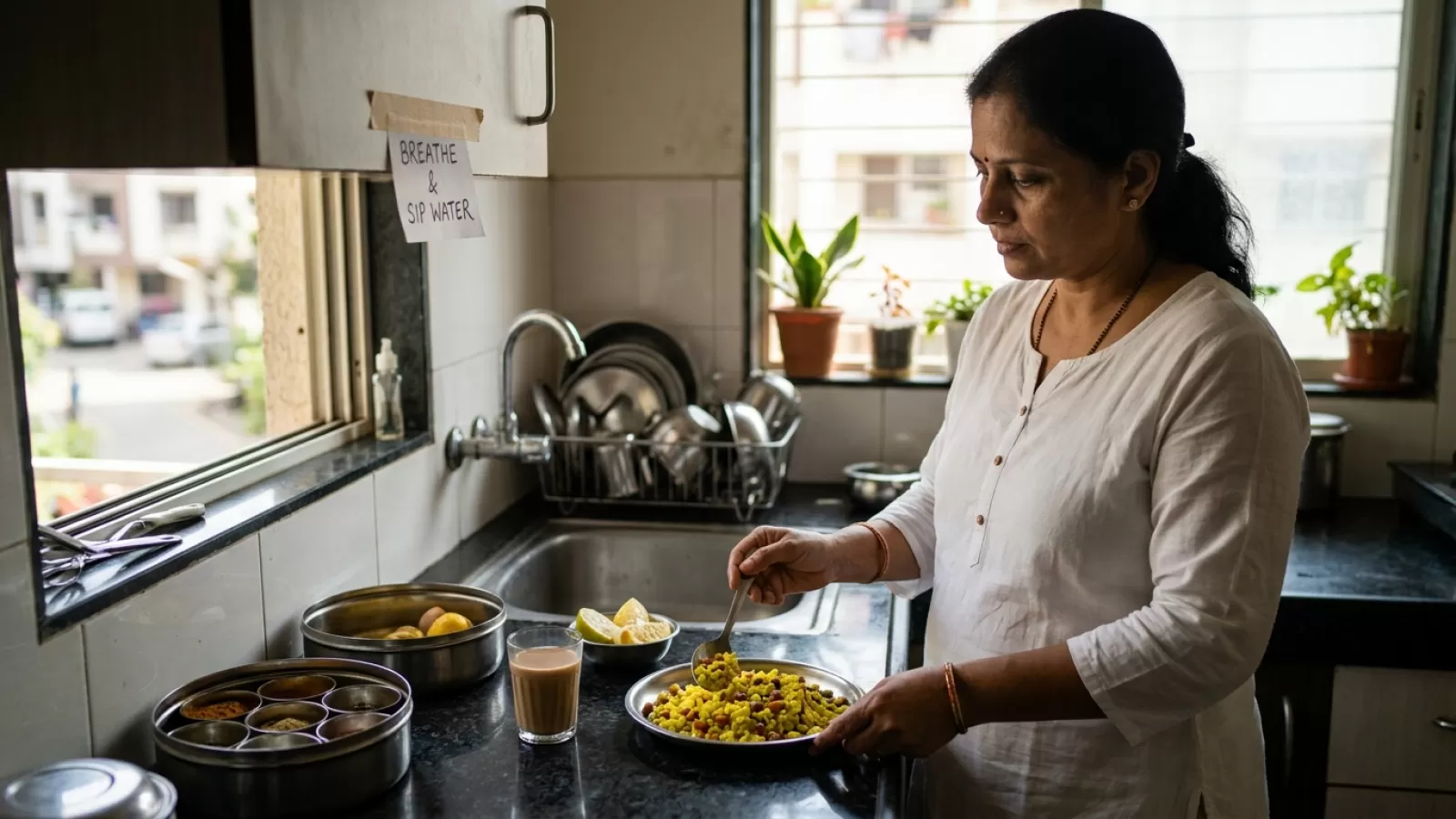
Instead of trying to overhaul your lifestyle overnight, it often works better to add small, almost invisible reminders into your day. These don’t disrupt your routine or demand extra time. Think of these as gentle nudges—a glass of water kept next to your bed, a sticky note near the stove reminding you to stretch your shoulders, or your phone alarm chiming softly at lunchtime.
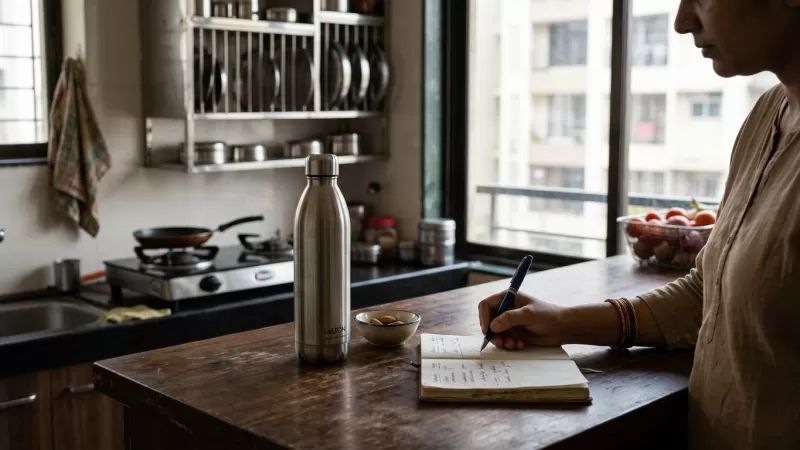
- Keep a water bottle in the room where you spend most of your day.
- Set a simple phone reminder: “Breathe and relax” at 3 pm.
- Leave a fruit bowl on the dining table, making healthy snacking easy.
Over time, these tiny cues can help you remember yourself, even in the middle of chaos.
Listening to Your Body’s Signals
Most of us tend to brush aside aches, tiredness, or mood swings as “just part of life.” But your body does try to talk to you. Maybe you notice your eyes feeling heavy after staring at a screen for too long, or your knees complaining after climbing the stairs. These days, with more people working from home, it’s easy to lose track of how long you’re sitting in one place.
Instead of ignoring these signals, try pausing for just a minute—literally sixty seconds. Ask yourself: Am I thirsty? When did I last move from this spot? Is my breathing shallow?
Even a short check-in can bring some awareness. You might find that you need to stretch, sip water, or just step out onto the balcony for fresh air. It doesn't need to be perfect or planned—just a small act of noticing yourself.
Building Gentle Habits into Your Daily Routine
The thought of adding “wellness” to an already busy day can feel overwhelming, especially if you’re juggling work and home. But you don’t need to add something new; it’s often more practical to blend gentle habits into what you’re already doing.
For example, while waiting for the dal to cook, you can roll your shoulders or do a few deep breaths. When folding clothes, try standing on your toes for a few seconds to stretch your legs. Or, use the walk from your bedroom to the kitchen as a chance to take a few slow, mindful steps.
- Practice gratitude while making your evening chai—just one thought of something good that happened today.
- Close your eyes for a minute after dinner, before getting up from the table.
- Gently massage your hands or feet with coconut oil while watching TV.
These small acts add up, and they don’t require any special equipment or extra time.
Food: Remembering Your Own Plate
In many families, the person cooking tends to serve everyone else first, sometimes ending up with the coldest or smallest portion. Over time, this can turn into a habit of eating last, skipping meals, or nibbling on leftovers instead of enjoying a full plate.
It’s perfectly normal to want your family to eat well, but don’t forget yourself. If you’re preparing a meal, try to sit down and eat with everyone—at least for a few minutes. If mornings are hectic, keep some roasted chana, fruit, or a small dabba of nuts handy for yourself. These are simple, familiar foods that don’t need special planning.
During festivals or busy times like school exams, when your routine goes out the window, keep a packet of curd, some bananas, or leftover sabzi ready for a quick bite. It’s not about always having the healthiest meal, but about not letting yourself go hungry or tired.
Rest Isn’t a Luxury
Many people feel guilty about taking a nap or sitting down in the afternoon, especially if older relatives or children are around. But your body isn’t a machine. In fact, even a ten-minute break—just lying down with your eyes closed or sitting quietly with your feet up—can make a difference.
It’s common, especially after a long workday or during the heat of summer, to feel drained. Instead of pushing through, consider setting aside a tiny window for rest. Maybe after lunch, you can sit near a window and watch the trees sway for a few moments. Or, after everyone has gone to bed, spend five minutes just listening to soft music or the sound of your own breathing.
Rest doesn’t have to mean sleeping. Giving yourself permission to pause is sometimes the kindest thing you can do.
Social Connections: Don’t Lose Yourself
With so much focus on family and work, it’s easy to lose touch with friends, neighbours, or even your own interests. These small connections, though, can quietly support your wellness. Maybe you call an old friend while chopping vegetables, or send a WhatsApp message to a cousin you haven’t seen in years.
If you’re unable to go out, invite a neighbour for chai, or simply wave and chat from your balcony. Sometimes, just sharing a laugh or venting about a tough day can lighten your mood. You’re not alone in feeling stretched—many families quietly deal with this same sense of isolation.
Staying connected, even in small ways, helps you remember who you are outside of your responsibilities.
When You Slip Up (And You Will)
No one manages to look after themselves perfectly all the time. Some days, you’ll forget to drink water, skip your own meal, or stay up too late scrolling on your phone. That’s normal. Life in an Indian household is rarely smooth or predictable. There will be weddings, exams, illnesses, power cuts, and endless small emergencies.
The important thing isn’t to be perfect, but to notice when you’ve slipped and gently start again. Most healthy habits are like that—sometimes you remember, sometimes you don’t. What matters is coming back to yourself, even in small ways.
After all, it’s your home, your family, and your well-being. Take a small step today, and keep stepping—slowly, quietly, but surely.