Most of us know water is important, but the truth is—on busy days, remembering to drink enough can slip through the cracks. In many Indian homes, afternoons pass in a blur of chores, work calls, or school pickups, and it's easy to look back at 5 pm and realize you haven't had a single glass since breakfast. If you've ever ended up with a dull headache by evening or felt strangely tired mid-afternoon, you’re certainly not alone. This guide is for anyone who quietly struggles to keep up their hydration, especially when life gets busy or routines change.
Why We Forget to Drink Water
Life in India tends to revolve around routines—chai in the morning, dal at lunch, that evening snack. Water, on the other hand, doesn’t always come with rituals. Many people just sip it when they’re thirsty, but here's the catch: thirst isn’t always a reliable reminder. By the time you feel thirsty, you may already be behind on your hydration.
With summers that can get relentlessly hot, long commutes, and homes where ACs run all day, you lose water through sweat and breathing even when you’re not aware of it. Work-from-home routines have added a new challenge; you might sit for hours in front of a screen, forgetting to move, let alone drink water.
It’s not just adults, either. Children and seniors often need gentle nudges to drink water, especially if the weather isn’t scorching. Many families quietly deal with this—after all, when everyone is busy and routines are packed, water can become an afterthought.
Everyday Signs You May Be Dehydrated
Most people think of thirst, but there are other, subtler signs that your body could use more water:
- Afternoon headaches that seem to come out of nowhere
- Unusual tiredness, especially after lunch
- Dry lips or mouth, even if you haven’t been outside
- Feeling irritable or struggling to concentrate
- Less frequent urination or darker urine than usual
These signs are easy to miss, especially if you’re used to powering through your day. Sometimes, it’s tempting to reach for another cup of chai or coffee, but these don’t really count towards proper hydration—and can sometimes make you lose more fluids.
Simple Ways to Build Hydration Habits
The tricky part is turning water drinking into a habit that sticks, rather than a chore you have to remember. Here are a few practical ways that fit naturally into most Indian routines:
- Link water with meals: Make it a rule to drink a glass before or after every meal—breakfast, lunch, snacks, and dinner.
- Use daily rituals: Keep a steel glass or bottle next to your bed and have a sip as soon as you wake up and before sleeping.
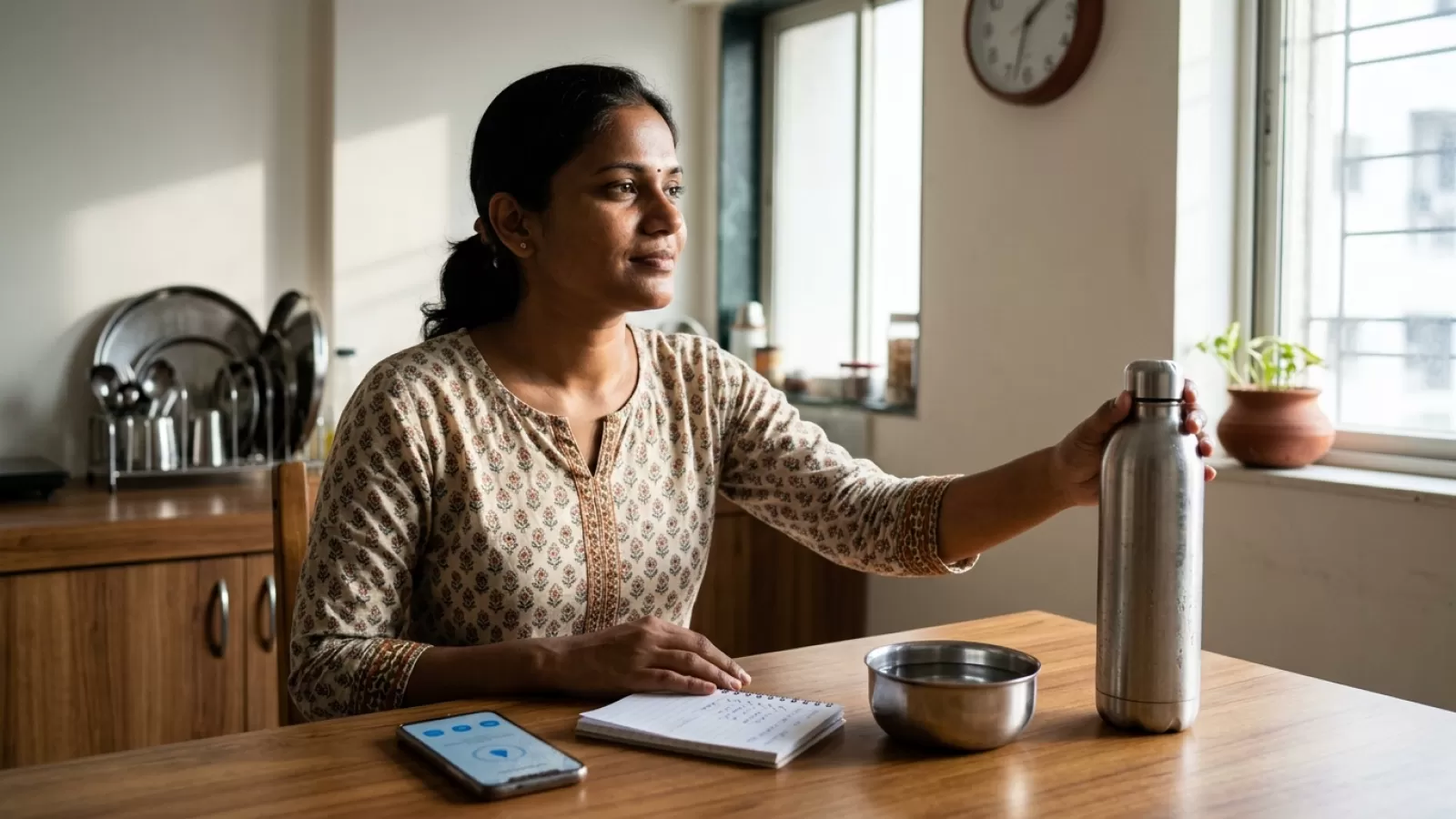
- Set reminders that feel natural: If you use your phone for alarms, set one for mid-morning and another for late afternoon. Over time, your body may start expecting water at those times.
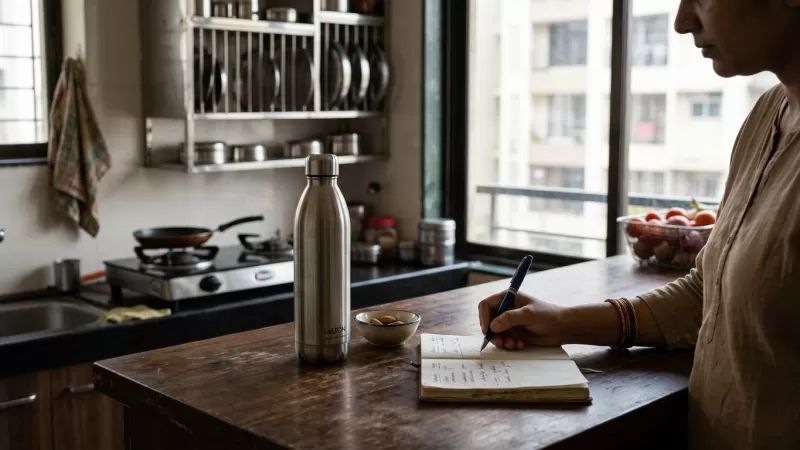
- Visible bottles: Place a filled bottle at your work desk, kitchen counter, or living room table where you pass by often. You’ll be surprised how much more you drink when it’s right there.
It doesn’t need to be complicated. Many families find that simply keeping water in sight is enough to double their intake without much effort.
Hydration-Friendly Indian Foods
While water is best, you can also get some hydration from the foods you eat. In India, a typical meal already includes several water-rich options, especially in summer:
- Sabzi: Many vegetable dishes, like lauki, tinda, or pumpkin, have a high water content.
- Curd and buttermilk: Dahi (curd) or chaas are not just cooling but help add to your fluid intake.
- Seasonal fruits: Watermelon, cucumber, and oranges are natural choices, especially during hot months.
- Soups and dals: Moong dal, sambar, or simple rasam can help, especially when served a bit runny.
Of course, these foods don’t replace water, but they do support your overall hydration, especially when you’re struggling to sip enough plain water.
Natural Ways to Track Your Hydration
Many people find high-tech hydration apps and gadgets a bit much, and frankly, they’re not always practical in an Indian household. Here are some easy, natural tracking tricks that actually work:
- Use a marked bottle: Draw lines on your bottle with a marker, or wrap rubber bands for each glass you want to drink. Remove a band each time you finish one.
- Counting glasses: Decide on a number that makes sense for you—say, 6 to 8 glasses a day. Keep a small bowl of pebbles or rajma beans on the counter, and move one every time you drink a glass.
- Family check-ins: Turn it into a gentle group activity. In many families, children love reminding elders or each other to drink water, especially if you make it a game.
Sometimes, just writing a small tick mark in a notebook can help you see how you’re doing. It’s not about reaching perfection—just gentle progress.
Making Hydration Enjoyable, Not a Chore
The truth is, plain water can feel a bit boring, especially if you’re used to drinking chai, nimbu paani, or soft drinks. You can make hydration more enjoyable without fancy ingredients:
- Drop in a slice of lemon or a few pudina leaves for a light, refreshing twist.
- If you like it cold, keep a jug in the fridge, especially in summer—just beware of too much ice, which can sometimes upset the throat.
- Try an earthen pot (matka) for naturally cool water; many people find the taste milder and more pleasant.
There’s no harm in a little variety, as long as the drinks aren’t loaded with sugar. Sometimes, a colourful bottle or a favourite glass can make all the difference.
When Water Needs Change
Hydration isn’t a one-size-fits-all thing. You’ll probably notice your needs change with the seasons, exercise, or even with age. During peak summer months, when the loo winds blow and you sweat more, you may need a couple of extra glasses. If you’re fasting, nursing, or elderly, gentle reminders become even more important.
After a day out shopping or a visit to the temple in the sun, don’t forget to drink a little extra. Children often get caught up in play and forget to ask, while elders may avoid water to reduce bathroom visits—both need a little encouragement.
It’s not about strict targets; just listening to your body and adjusting as life changes. That’s usually enough.
Gentle Reminders for Busy Days
Some days, even the best habits get thrown off—festivals, guests, travel, or just a long to-do list. On these days, it helps to have a backup plan:
- Keep a small bottle in your handbag or car. Many people find they drink more on the go if it’s handy.
- Pair drinking water with another activity—say, every time you make chai, drink half a glass of water first.
- Before bed, check if you’ve had at least a few glasses. If not, have a small sip before lights out, but not too much to disturb your sleep.
Perfection isn’t possible every day. What matters is returning gently to your habits the next day.
Staying Patient With Yourself
Building new habits takes time. It’s perfectly normal to forget now and then, or to have days when you fall short. The important thing is not to let guilt take over. Just like you don’t give up on brushing your teeth if you forget once, don’t give up on your hydration habit either.
Small changes add up. Over weeks, you may notice clearer skin, fewer headaches, or a bit more steady energy through the day. But don’t worry too much if things aren’t perfect.
After all, most good habits in Indian homes are built slowly, with patience—and a bit of gentle self-reminding.