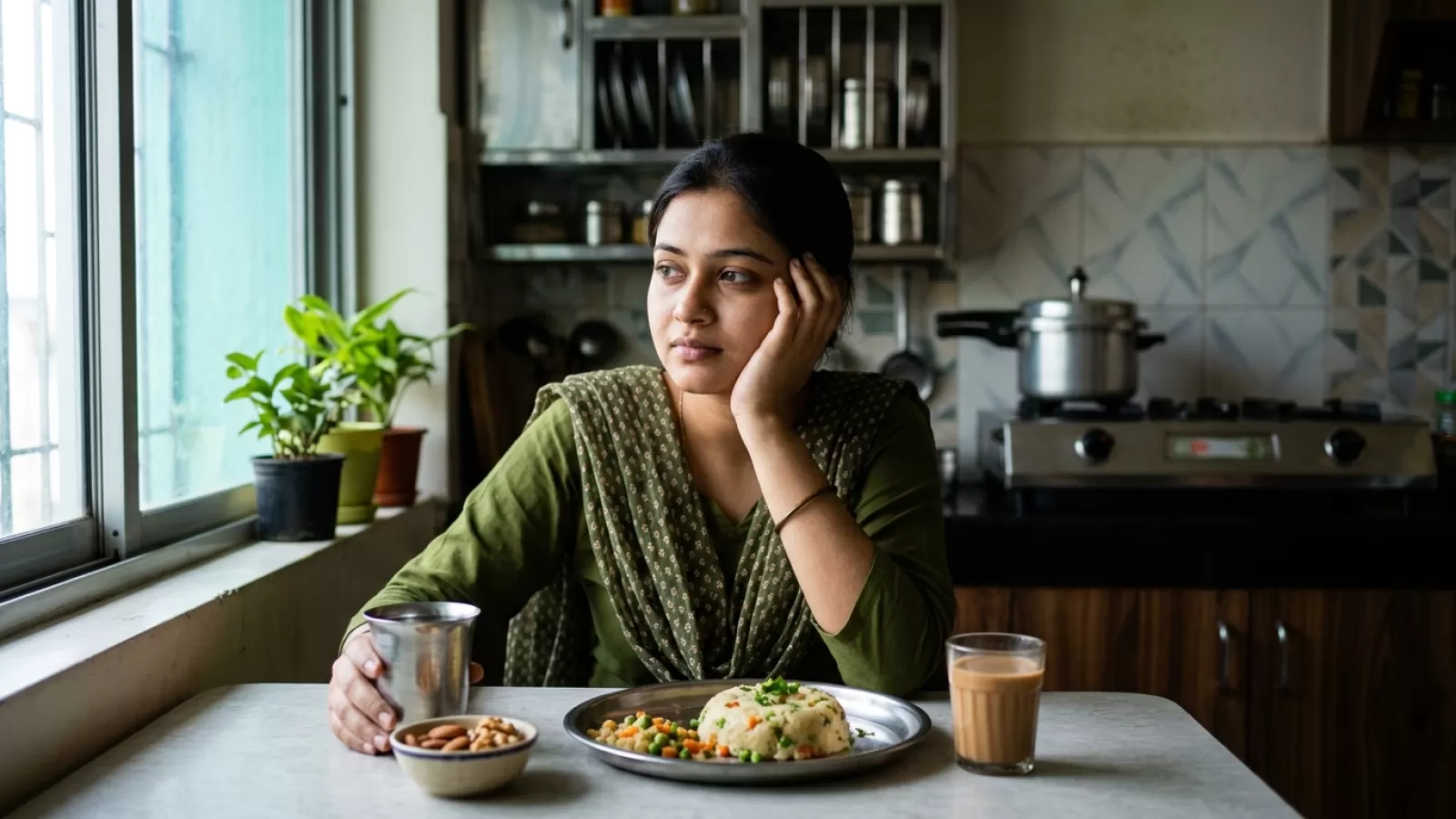
Many people in India these days wake up feeling tired, even after a seemingly full night’s sleep. You might wonder why, especially when you’ve done your best to go to bed on time, finished your work, and tried to keep up with family routines. Yet, your body feels heavy, your mind foggy, and even your favorite cup of chai doesn’t shake off that feeling of being drained. You’re not alone—many families quietly deal with this low energy, brushing it off as just “part of life.” But sometimes, small everyday habits can make a gentle difference, giving your body and mind the little bit of support they need. Let’s talk about some simple, sensible changes that can help you feel a little more like yourself, using things you’re already familiar with at home.
Why Do We Feel So Tired, Even After Rest?
It’s normal to feel worn out after a long week or during especially hot Indian summers. But when tiredness becomes your regular companion, it’s worth pausing to notice what’s happening. Many people assume that getting seven or eight hours of sleep should be enough, but real rest isn’t just about the number of hours spent in bed. If your sleep is light, interrupted, or filled with anxious thoughts, your body doesn’t get a chance to fully recharge.
Other everyday things—like late dinners, too much screen time before bed, or skipping meals when busy—can quietly add up. Over time, these small stresses start to weigh on your energy. The tricky part is, you may not even realize how much they matter until you finally have a slower day and still wake up feeling tired.
It’s worth gently observing your habits over a few days. Sometimes, patterns become clearer with a little patience.
Eating Patterns: What and When Matters
In many Indian homes, mealtimes shift a bit based on everyone’s schedules. Late dinners have become increasingly common, especially with longer commutes or work-from-home days when everyone’s routine is slightly off. Eating late, rushing meals, or relying on heavy, oily takeout can leave you feeling sluggish—both in the morning and throughout the day.
Try to keep meals simple and closer to traditional timings. A lighter, home-cooked dinner—such as dal, sabzi, and phulka—tends to be easier to digest. If you’re often too tired to cook at night, preparing simple dishes in the morning or over the weekend can help. Rotis or rice with leftover sabzi, curd, or a handful of roasted chana make for quick, gentle meals.
- Try not to skip breakfast, even if it’s just a banana or a bowl of poha.
- Keep hydrated with water, but don’t overdo the tea or coffee late in the day.
- Notice how you feel after certain foods—some people find they sleep better after a lighter evening meal.
These aren’t strict rules—just gentle adjustments that often help in Indian households.
Rethinking Sleep: Beyond Just Going to Bed
Good sleep isn’t just about shutting your eyes for a set number of hours. You’ve probably noticed that some nights, even with enough sleep, you don’t feel rested. That’s because how you wind down before bed really matters.
Try to give yourself a calm routine in the hour before sleeping. This might mean putting down your phone, dimming the lights, or taking a few minutes to sit quietly. Some families have a habit of chatting softly after dinner or listening to gentle music—these simple practices can help signal to your body that it’s time to slow down.
- If you wake up often during the night, check if you’re going to bed too full or too hungry.
- On hot nights, a lukewarm bath before bed can be surprisingly soothing.
- Even just opening the windows for fresh air can sometimes help, especially during the monsoon when the breeze is cool.
It’s okay if your sleep routine isn’t perfect. Small changes, made slowly, often stick better.
Gentle Movement: Something Is Always Better Than Nothing
When you’re already tired, the last thing you want is a workout. But a little gentle movement—some stretches in the morning, a slow walk after dinner, or even helping with household chores—can quietly lift your energy. You don’t need fancy equipment or a gym membership. In many homes, sweeping, gardening, or walking to a nearby shop is enough to get your body moving.
Try to:
- Stretch your arms and legs before you even get out of bed.
- Take the stairs instead of the lift when possible.
- Encourage family walks after dinner, even if it’s just down the lane.
Some days, you’ll feel too tired for much. That’s normal. On those days, even standing outside for a few minutes in the fresh air can help.
Managing Screens and News: Quieting the Mind
These days, our phones, TVs, and computers are everywhere. Many people find themselves scrolling late into the night, sometimes without even realizing how much time has passed. The endless flow of news or social media can make your mind busy, even if your body is tired.
Try setting a soft limit for yourself in the evenings—maybe decide to switch off screens an hour before bed on most nights. If that’s too hard, even 15–20 minutes without your phone can feel peaceful. Some families keep the TV off at dinner, choosing to talk or listen to music instead.
It sounds simple, but sometimes this quiet time is what your mind needs to truly rest.
Handling Stress: Everyday Ways to Support Yourself
Stress is part of life, especially in busy Indian households where work, school, and family responsibilities all mix together. You might not always notice the toll it takes, but over time, constant stress can leave you feeling empty—even if you’re doing everything else right.
Many people find comfort in small, everyday things:
- Lighting a diya or incense stick in the morning or evening.
- Writing down worries in a notebook before bed (it doesn’t have to be neat or perfect).
- Spending a few minutes with plants or pets, if you have them.
You don’t need to meditate for an hour or follow strict routines. Even a few quiet minutes can make a difference.
Listening to Your Body: Signs That Need Care
There’s a difference between usual tiredness and feeling drained every single day. If your fatigue doesn’t improve with rest, if it’s getting worse, or you notice other changes—like losing weight without reason, feeling unusually sad, or having aches that won’t go away—it’s wise to mention it to a doctor.
Sometimes, tiredness is just your body’s way of quietly asking for a little more care. But don’t ignore signals that seem out of the ordinary, especially if gentle changes aren’t helping at all. It’s not about overthinking every small symptom, just about being gently aware.
Most of the time, these small adjustments—eating well, sleeping peacefully, moving a bit, and giving yourself calm moments—are enough to help you feel a bit more energetic over time.
Setting Realistic Expectations: It’s Okay to Slow Down
In many Indian families, there’s a quiet pressure to keep going, no matter how tired you feel. Whether it’s looking after everyone at home, meeting deadlines, or celebrating festivals, slowing down can sometimes feel like you’re letting people down.
But the truth is, it’s okay to have days when you do less. Some days will be better than others. Taking time to rest—without guilt—can help you come back stronger. Even if your energy doesn’t bounce back overnight, gentle, consistent habits often bring small improvements.
So if you’re waking up tired every day, know that you’re not alone, and it’s not a failure. Sometimes, real wellness comes from accepting that your body needs a bit more kindness—and making space for that, even in a busy life.