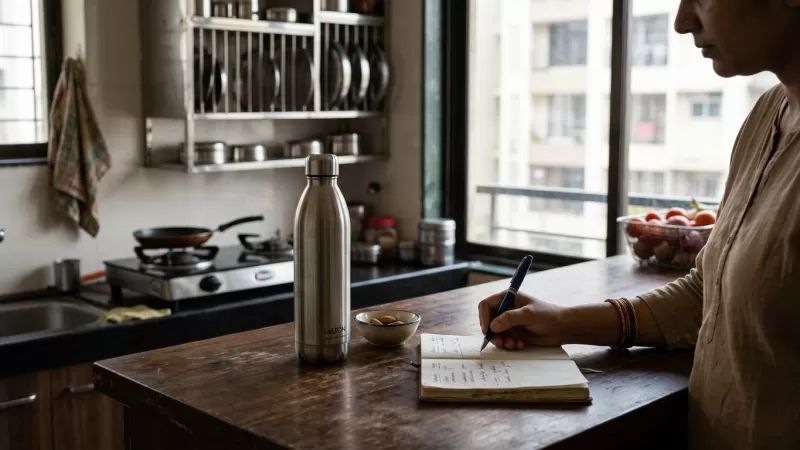
There’s something about afternoons in Indian homes—especially after lunch—when the body slows down, the eyes get a bit heavy, and even the most energetic people feel a dip. Whether you’re a homemaker juggling chores, a professional working from the dining table, or a senior enjoying a quieter routine, midday fatigue is a familiar visitor. Sometimes, it creeps in quietly, making everything feel just a little harder than it should. Before you reach for another cup of chai or a sweet treat, it’s worth pausing to notice what your body is really asking for. Small, comforting habits can make a big difference, often bringing more steadiness and ease than you’d expect.
Why Do Afternoons Feel So Draining?
You’ve probably noticed that around 2 or 3 pm, your energy takes a dip. It isn’t just you—this is common in many homes, especially after lunch. Our natural body clocks (what doctors call circadian rhythm) often slow down at this time, gently nudging us to rest. Add to this the heavy, carb-rich meals we sometimes eat—think rice, dal, and sabzi—and the warm weather outside, especially during Indian summers or monsoons, and it’s no wonder you feel sluggish.
For those working from home or managing a household, the afternoon slump can make you irritable or distracted. Seniors might notice their knees ache a bit more, or the back feels stiff. In joint families, you might even find everyone quietly sneaking off for a nap, or just sitting down with the newspaper.
It’s a normal part of the day. The tricky part is, ignoring it or pushing through with more caffeine often leads to late-evening tiredness or difficulty sleeping at night. That said, a few mindful habits can gently lift you out of this midday haze without much fuss.
Start with Small Body Awareness Cues
Sometimes, fatigue is your body’s way of asking you to check in. Instead of ignoring the signs, try noticing where you feel tiredness. Is it your eyes, legs, shoulders, or just a foggy mind? These little cues can guide you to the comfort habit you need most right now.
- If your eyes feel heavy or dry, perhaps you’ve been staring at a screen for too long.
- If your back aches, maybe you’ve been sitting in the same position since morning.
- If you feel mentally scattered, it could be time for a short break or a change of activity.
Acknowledging these signals isn’t being lazy—it’s actually being smart about your energy. Many families quietly deal with this by taking a few minutes to pause, stretch, or simply breathe deeply at the dining table.
A Gentle Re-Start: Quick Physical Comfort Habits
Comfort doesn’t always mean lying down for an hour. Sometimes, even a few minutes of movement or gentle touch is enough to bring you back to the present. These days, with back-to-back video calls or long afternoons in the kitchen, small resets can be more helpful than you’d think.
- Shoulder and Neck Rolls: Sitting at the computer or chopping vegetables for too long? Try a few slow rolls of the shoulders and neck, even while sitting. It’s simple, but often relieves tension.
- Hand Massage: Rub a tiny bit of coconut or mustard oil into your palms and fingers. This little ritual, often done by elders, soothes tired hands and gives a sense of warmth and grounding.
- Standing Up and Stretching: Every hour or so, stand up and reach for the ceiling, then touch your toes. Not a big workout—just a gentle wake-up call for your muscles.
None of these need fancy equipment or lots of space. They just need a little intention.
Reassess Your Afternoon Meal and Drink
Here’s the catch: what you eat and drink at lunchtime can shape how you feel hours later. Heavy, oily meals (like rich gravies, too many puris, or leftover sweets) tend to make you feel sleepier. On the other hand, skipping lunch or having only tea and biscuits can leave you jittery and tired at the same time.
Many busy people find that a simple, balanced lunch—dal or sabzi, a small portion of rice or roti, some dahi, and maybe a small salad—keeps energy steady. You might want to avoid sugary drinks or very strong tea right after lunch, since these can cause a quick spike and then a crash.
Instead, try sipping plain water, warm jeera water, or a little buttermilk in the afternoon. These are familiar comforts in many Indian kitchens, and they help you stay hydrated without making you feel heavy.
Mini-Rituals for Mental Freshness
The mind gets tired too—especially if you’re switching between work calls, homework help, and family WhatsApp messages. A midday reset doesn’t have to be complicated, but it does need to fit into your real life. Here are a few gentle ways to clear that mental fog:
- Open a window or step outside for a couple of minutes. The change in air and light can wake you up naturally.
- Listen to a favourite song—something light, or one of those old Hindi melodies that make you smile.
- Do a simple breathing exercise: inhale for four counts, hold for two, exhale for six. Repeat a few times. Many find this surprisingly calming.
- Water a plant, wipe down a surface, or just look at the sky for a moment. Oddly enough, small chores can give your mind a break from screens and worries.
It’s not about being productive every minute. Sometimes, it’s about giving your thoughts a little room to breathe.
Rest Isn’t Always a Nap
In many Indian homes, afternoon naps are common—sometimes even necessary, especially in summer or during Ramzan fasting. But not everyone finds naps helpful. If you wake up groggy or struggle to sleep at night, a long afternoon doze can backfire.
Short rests work well for most people. Even closing your eyes and lying on the sofa for 10–15 minutes can recharge you. If you can’t lie down, just leaning back in your chair, closing your eyes, and listening to the sounds around you—birds, traffic, the ceiling fan—can be surprisingly restful.
Of course, if you do need a longer nap, try to keep it before 4 pm and don’t feel guilty about it. The important thing is to listen to what your body is really asking for.
Keep Your Space Light and Comfortable
Sometimes, midday fatigue has more to do with your surroundings than your body. Small changes in your workspace, kitchen, or bedroom can make afternoons less tiring.
- Open curtains and let in natural light. Dim rooms can make you feel sleepier.
- Switch on a small fan, or open a window for fresh air if it isn’t too hot or polluted outside.
- Clear any unnecessary clutter from your desk or table. You’d be surprised how much visual mess can add to your sense of tiredness.
Many families quietly tidy up after lunch—not because it’s a rule, but because it helps everyone feel a bit lighter and more relaxed.
Acknowledge That Some Days Are Just Tiring
Here’s something worth remembering: not every day will feel energetic and smooth. Weather, sleep, family worries, health—these all play a part. Some afternoons, no matter what you do, you’ll just feel tired. That’s normal.
What matters is noticing these patterns and being gentle with yourself. If you can, adjust your schedule on days when you know you’ll be extra busy in the afternoon—maybe prep dinner in the morning or keep meetings lighter. And if you’re caring for children or elders, a little patience goes a long way.
The heart of comfort-focused habits is kindness. Not only to your body, but also to your mind and routine.
Even small changes—pausing to stretch, sipping water, letting in light, or just closing your eyes for a few minutes—can help you feel steadier through those quiet, sometimes draining, Indian afternoons.