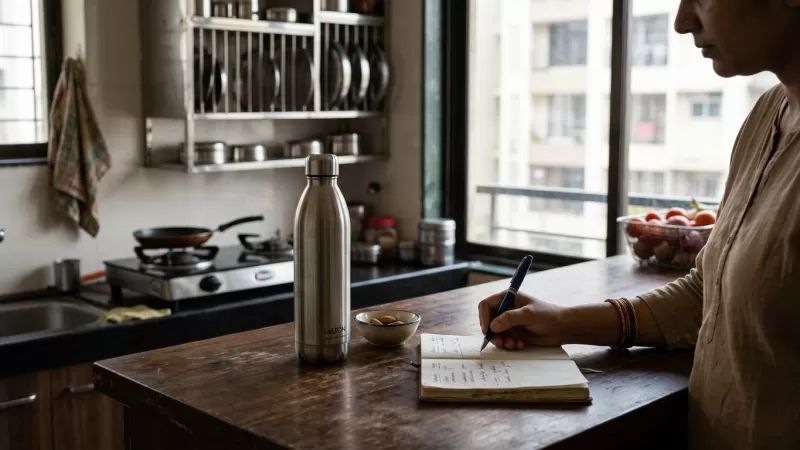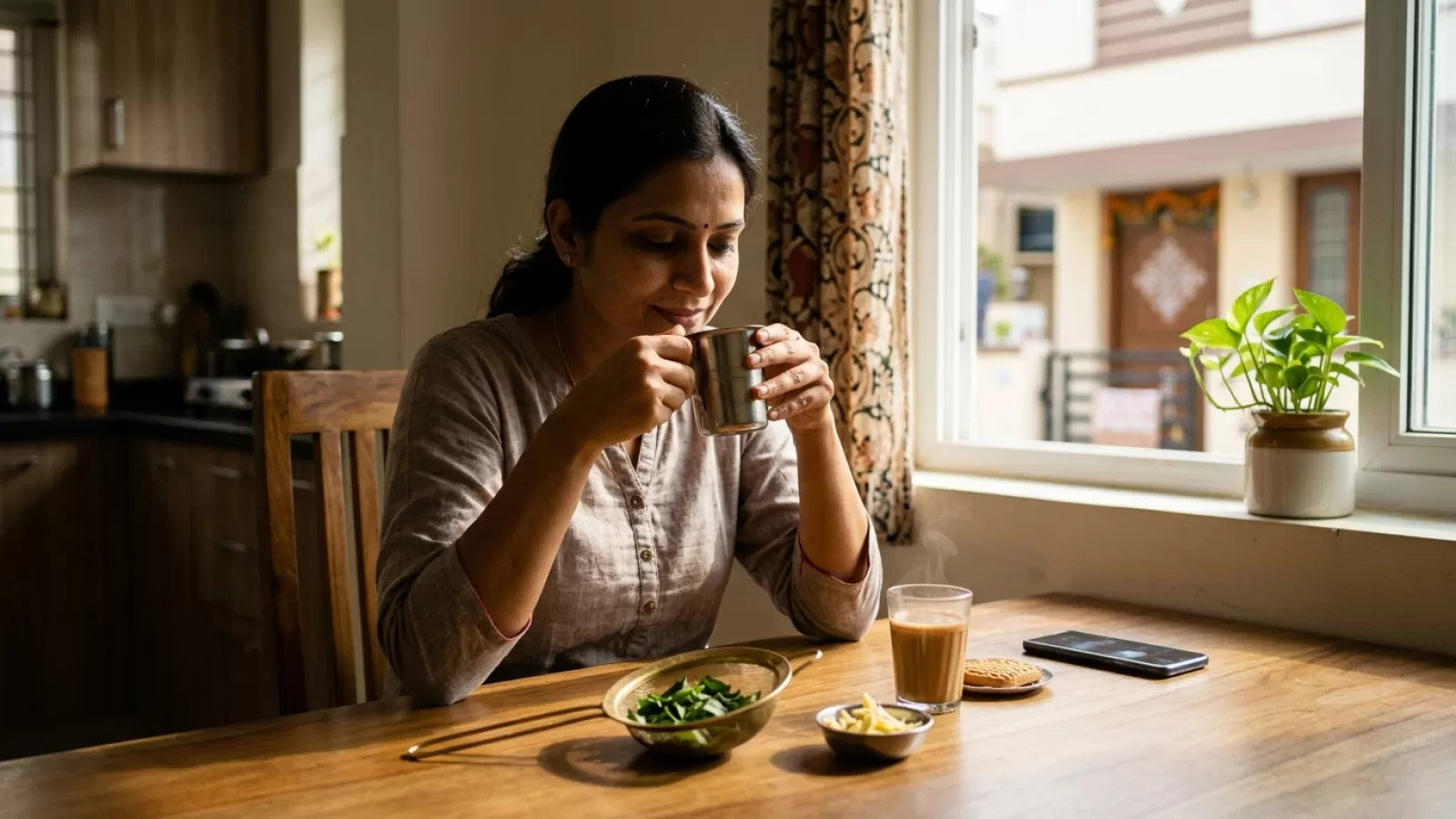
It’s surprisingly easy to spend a whole day feeling scattered, isn’t it? Between WhatsApp pings, work calls, TV noise, and the constant running list in your head (what’s for dinner, did the kids finish homework, did I call Mummy back?), your mind can start to feel like a busy train station. Many families quietly deal with this—always thinking about the next thing, barely tasting their chai or remembering the last conversation. But there are gentle, practical ways to find a bit more calm and presence, right in your own home, without needing anything fancy or complicated. Let’s look at some small habits that can help you feel more here, more now, even on your busiest days.
Why Do We Feel So Distracted These Days?
Everyone seems to have a thousand things going on at once. Whether you’re working from home, caring for elders, juggling school schedules, or simply managing the house, your attention is always pulled in several directions. Even when you sit down for a meal, your mind might be on tomorrow’s shopping list or an unfinished office email.
There’s nothing wrong with planning ahead. But when it becomes constant, you tend to miss out on the small, lovely moments of your real life. You might start to notice that you forget what you’ve just read, or you barely remember eating lunch. That scattered feeling can quietly drain your energy and leave you less satisfied, even when your day has been productive.
It’s not just phones—though they definitely add to the problem. The pace of modern Indian life, even in smaller towns, has picked up. Fast food, quick calls, quick answers. Sometimes you just need a reminder to pause and notice what’s actually happening around you.
Start with One-Sense-at-a-Time Moments
One of the simplest ways to feel more present is to use your senses, one at a time. This isn’t about meditation or rituals—just a small shift in how you notice things. For example, when you’re peeling vegetables, really notice the feel of the skin, the sound of the knife, or the smell of coriander. When you drink your evening chai, take one long sip and notice the warmth and taste before checking your phone.
This is not always easy, especially on busy days or when you’re exhausted. But even a single moment—say, noticing the cool water on your hands while washing them—can act as a gentle anchor to the present. You don’t have to do anything special, just pay attention with one sense for a few seconds.
Here are a few ordinary moments where you can try this:
- Feeling the texture of roti dough as you knead
- Listening to the sizzle of tadka while cooking dal
- Noticing the smell of wet earth after it rains—especially during monsoon
- Watching the steam rise from your morning cup of tea
These small pauses can bring more calm than you’d expect.
Rethink Your Relationship with Your Phone
Phones are helpful, but they tend to pull your mind in many directions, sometimes dozens of times an hour. In Indian homes, it’s common to check WhatsApp during meals, scroll through news before sleep, or answer calls in the middle of family time. Over time, your attention starts to feel jumpy, always waiting for the next ping.
There’s no need for strict rules or guilt. But you can try small changes that create a bit more space for your mind to rest. For instance, you might put your phone on silent during dinner, or leave it in another room while you finish a chore. Some people find it helpful to check messages only after finishing their tea, not before.
The tricky part is remembering to actually do this. Setting a small visual reminder—like keeping your phone in a basket or drawer during certain times—can help make the habit stick. You might notice, after a few days, that conversations feel a little more relaxed and meals taste a bit better.
Use Household Routines as Anchors
Indian homes run on routines, whether it’s the morning pooja, the rhythm of making rotis, or the evening clean-up. These repeated actions can be used as gentle anchors to bring your mind back to the present. Instead of treating them as just chores to finish, try to notice the steps and rhythms involved.
For example, when you sweep the floor, pay attention to the sound and movement for a minute. While folding laundry, feel the fabric and notice the colours. Even the act of switching off lights at night can become a small, mindful ritual.
Of course, some days you’re just too rushed or tired. That’s normal. But the more you use these household routines as small pauses, the easier it becomes to find little pockets of calm, even in a busy home.
Eat at Least One Meal Without Distractions
Meals in many Indian homes are often shared, yet it’s become common to eat in front of the TV or with phones in hand. While it’s enjoyable to watch a match during dinner every now and then, eating even one meal a day without screens or multitasking can help you feel more grounded.
You might notice your food tastes better, or that you actually feel fuller with less. Eating together—whether it’s breakfast with kids or a quiet lunch alone—becomes a chance to connect, not just refuel. If eating together isn’t always possible, even a solo meal without background noise can give your mind a rest.
Here’s the catch: this habit can feel awkward at first, especially if you’re used to distractions. But after a few days, many people find it surprisingly calming.
Pay Gentle Attention to Your Breathing
This doesn’t have to be complicated. Just a couple of times a day, pause and notice your breath. Maybe while waiting for milk to boil or before opening the front door. You don’t have to change your breath or count anything—just notice it as it is.
On tense days, you might find your breath is shallow or quick. Noticing this is the first step, and sometimes that’s enough. Over time, this simple habit can help you spot when you’re feeling restless or anxious, and gently bring you back to the present.
Some people like to pair this with a household cue—like feeling the cool morning air through the window, or the warmth of sunlight on your face in winter. These tiny pauses, scattered through the day, add up.
Create Tiny Check-In Moments During Your Day
It’s easy to get swept into the next thing. One way to gently support your presence is to create natural pause points—tiny check-ins—during your regular routine. This doesn’t mean you need to set alarms or reminders, but just notice natural breaks: after finishing a task, before starting a new one, or when you change rooms.
For example:
- Before opening your laptop in the morning, pause for a few seconds.
- After closing the fridge, notice your feet on the ground.
- When you sit down after a long errand, take a breath and look around.
They’re so small, you might wonder if they do anything. But over time, these mini-pauses can gently train your mind to come back to the present, even during hectic days.
Accept That Some Days Will Be Messy
It’s natural to hope that with the right habits, you’ll always feel calm and focused. But life in most Indian homes—especially with children, elders, or busy work schedules—just isn’t predictable. Some days, you’ll feel scattered no matter what you try.
This isn’t a failure. In fact, noticing that your mind is jumpy or distracted is itself a kind of presence. On these days, it can help to be kind to yourself and remember that attention ebbs and flows, just like energy or mood.
Trying not to judge yourself harshly makes it easier to start again tomorrow. After all, everyone gets distracted sometimes.
A Few Final Thoughts for Ordinary Busy Days
Small habits, done gently and often, can slowly bring more calm and awareness into your daily life. You don’t need special tools, strict routines, or hours of free time. Just a few mindful moments—while cooking, cleaning, eating, or resting—can help you feel a little more present each day.
It won’t be perfect, and that’s perfectly okay. What matters is the quiet intention to notice your life as it’s happening, right here at home.
Sometimes, that’s enough.