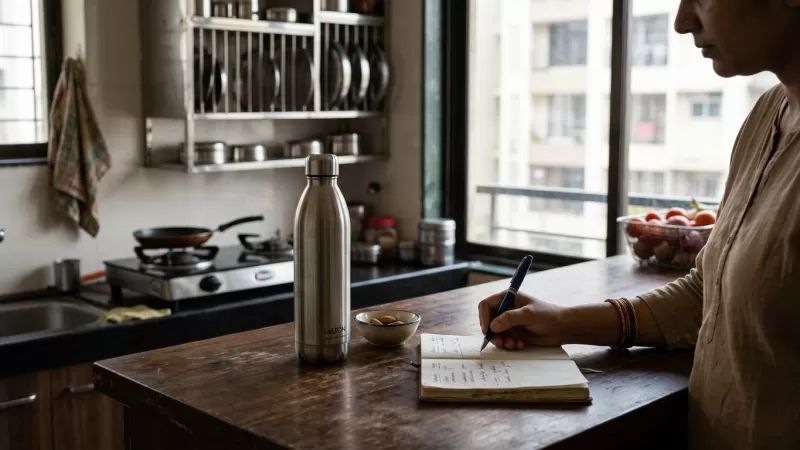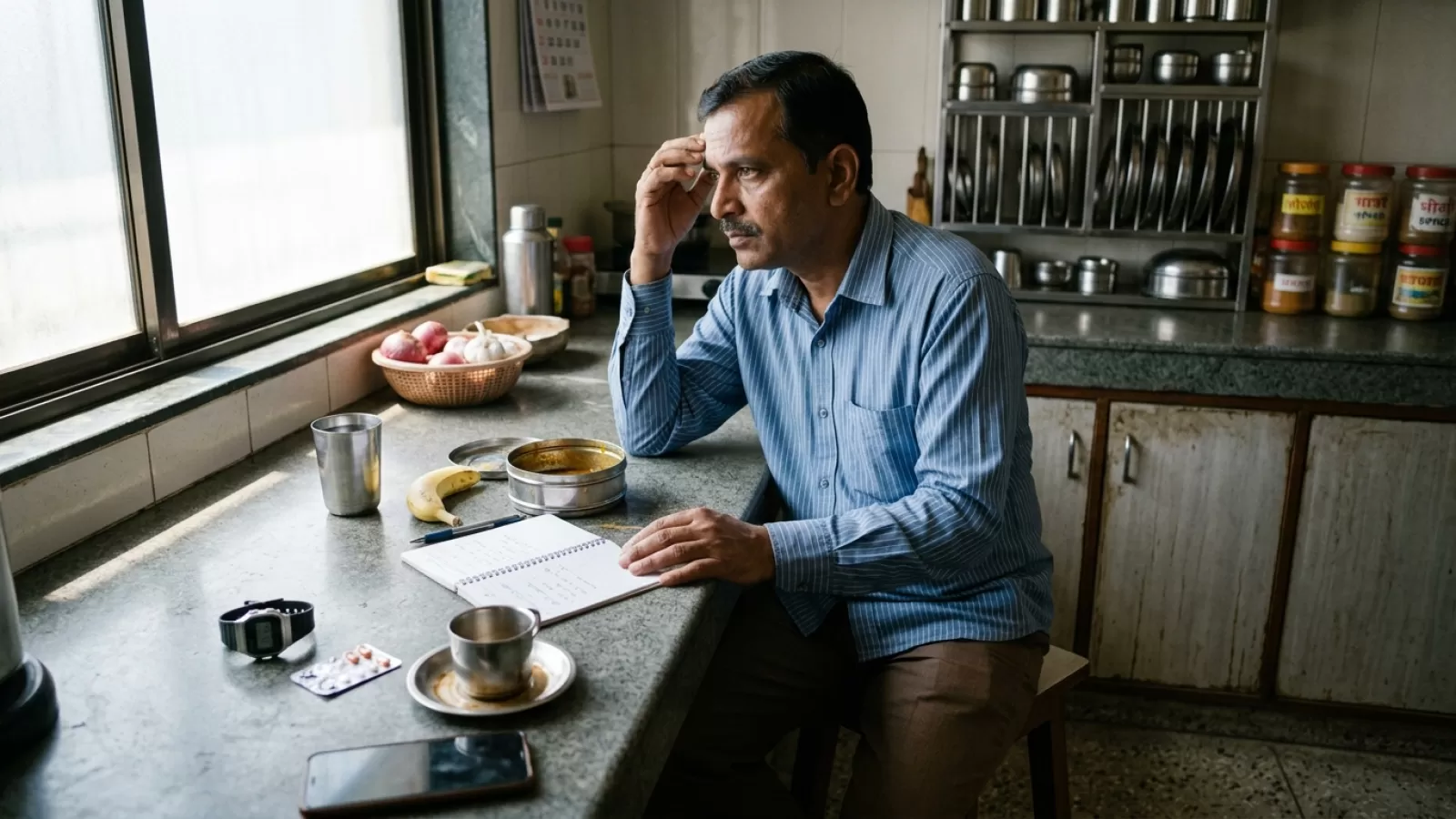
Some days, you wake up feeling as if you’re just floating through your routine on autopilot. The alarm rings, you get out of bed, and before you know it, you’re halfway through your chores or work with barely a moment to breathe. Whether you’re juggling a tiffin box in one hand and your phone in the other, or you’re a senior quietly handling the house, it’s easy to feel completely lost in the rush. In Indian homes, where life is often buzzing from sunrise to sunset, it’s common to ignore your own needs in the name of getting things done. But here’s the thing: even a few minutes of honest self-check can help you stay balanced, and it doesn’t have to be complicated.
Why We Often Ignore Our Needs
Many families tend to put daily tasks above everything else. You’re thinking about what’s for lunch, worrying about school fees, or hurrying to finish work before dinner. It’s not unusual to go hours without asking yourself, “How am I, really?” Life in India, with its joint family dynamics or even in nuclear setups, rarely leaves time for personal reflection. There’s always someone calling your name, or the next errand waiting.
In the middle of all this, your own signals—like hunger, tiredness, or even sadness—can get buried. Some people say it’s selfish to pause and check on yourself, but honestly, it’s just practical. If you’re running on empty, you’re not much help to anyone else either.
Many quietly feel this way but don’t say it out loud. You’re not alone if you sometimes feel like you’re just moving from one task to the next without really being present.
What a Self-Check Really Means
Self-check doesn’t mean hours of meditation or fancy journals. It’s simply pausing, even for a minute, to notice how you’re feeling in your body and mind. It’s about gently asking yourself basic questions, often during your daily routine. Think of it as checking the pressure in your cycle tyre before a long ride—small, but necessary.
For most people, this sort of reflection feels unnatural at first. After all, we aren’t taught to ask ourselves how we’re doing. Many grew up watching the elders just push through, no matter what. But times are changing. These days, with more awareness about health and stress, people are starting to realise the value in tuning in—before things get out of hand.
The key is to keep it really simple. You don’t need to make a ceremony out of it. Just a small pause is enough to notice what you might be missing.
Simple Self-Awareness Practices for Busy Days
If the idea of “self-awareness” sounds too big or complicated, don’t worry. It can be as basic as checking your own mood while making tea, or taking a slow breath before answering a phone call. Here are a few things you can try—even on your busiest days:
- The Two-Minute Pause: Before you start your day (or after lunch, or before bed), sit down and close your eyes for two minutes. Notice your breath, your heartbeat, any tension in your shoulders or face. You don’t have to change anything—just notice it.
- Body Scan While Cooking or Cleaning: When you’re standing at the stove or washing dishes, pay attention to how your legs, back, and arms feel. Are you tensing your jaw? Are your shoulders tight?
- Emotion Check at Meal Times: Before you eat, ask yourself how you’re feeling. Are you actually hungry, or just eating because it’s time? Are you stressed, rushed, or bored?
That’s it. No fancy equipment, no special skills.
Listening to Physical Signals
In many Indian homes, it’s normal to eat at fixed times, even if you aren’t really hungry. You might skip water because you’re busy with chores, or ignore a headache until it gets worse. Over time, these small acts of ignoring your body add up.
Listening to your body isn’t about being fussy. Sometimes, a dry throat is just a sign you need water, not chai. If your knees ache after mopping, maybe it’s time to rest for five minutes or stretch gently. These signals are your body’s way of telling you something—usually, it’s something quite basic.
Here are a few signals many people tend to brush aside:
- Feeling thirsty but ignoring it until evening
- Skipping meals because of work calls or chores
- Forgetting to stand up and stretch during long periods of sitting (especially now, with so many working from home)
- Pushing through tiredness instead of taking a short break
The tricky part is, the more you ignore these signals, the harder it becomes to notice them. That’s why even a little self-check goes a long way.
Recognising Emotional Needs
It’s easy to think that emotional needs are only for children, or that adults should just “toughen up.” But even grown-ups get lonely, overwhelmed, or anxious from time to time. You might feel irritated for no clear reason, or just a sense of restlessness that doesn’t go away.
During festivals or family gatherings, you may feel both happy and tired at the same time. Or, after a long day, you might just want some quiet instead of more conversation. These feelings are normal. The key is to notice them without judgement.
One gentle way to check your emotional state is to ask yourself, “If my best friend felt this way, what would I tell them?” Usually, you’d offer kindness. It’s okay to offer the same to yourself. You don’t have to solve every emotion—just noticing and naming it can make a difference.
Making Self-Check a Family Habit
Self-check works best when it’s a normal part of daily life, not a separate task on your already busy list. You can even do it together as a family, especially with children or elders who may not always express their needs clearly.
For example, at the dinner table, you could ask, “How was everyone’s day—truly?” Or, while watching TV together, pause at the ad break to stretch and ask, “Is anyone feeling tired or thirsty?” In joint families, even small check-ins with each other can help everyone feel more connected and supported.
Some families like to keep a small notebook or whiteboard in the kitchen to scribble down small reminders—"Drink water," "Take a breath," "Smile." It sounds simple, but it helps.
Handling Days When You Feel Completely Lost
Sometimes, despite your best efforts, you just feel lost. Maybe you’re overwhelmed by responsibilities, or you wake up with a sense of heaviness that lingers all day. These days happen to everyone, even if they aren’t discussed openly.
On such days, try to lower your expectations. Instead of aiming to finish your entire to-do list, pick just one or two important things. Give yourself permission to move slowly. If you’re able to, talk to someone you trust—a family member, a friend, or even your pet. Sometimes, sharing how you feel lifts a small weight off your shoulders.
One small act of self-kindness—like sitting in the balcony for five minutes, or listening to your favourite song—can gently anchor you, even if you can’t change your situation right away.
Building Self-Check Into Everyday Routines
The best way to make self-check stick is to attach it to things you already do. This way, it doesn’t feel like “one more thing” you have to remember. You can try pairing it with:
- Brushing your teeth (notice how you’re feeling about the day ahead)
- Boiling milk for chai or coffee (take a breath and check your mood)
- Filling your water bottle (ask yourself if you’ve drunk enough today)
- Locking the door at night (reflect on one thing that went well, or one thing you need tomorrow)
Over time, these small pauses become second nature. You might even find yourself looking forward to them.
Gentle Reminders for the Indian Home
There’s no perfect way to do self-check, and you’re not failing if you forget some days. Like most Indian households, life can be unpredictable—guests drop in, power goes, rains disrupt plans, or work deadlines shift. What matters is that you keep coming back to yourself in small ways.
Maybe it’s a quiet moment on the balcony, a deep breath before serving dinner, or simply saying “enough for today” when you feel spent. These tiny checks are not a luxury—they’re a way to stay steady, especially when life feels out of control.
So, the next time you catch yourself moving blindly through your day, try pausing just for a moment. Listen to what your body and mind are quietly telling you. It’s not about control or perfection—just a little more awareness, one day at a time.