Afternoon tiredness is something many families face, but it can feel especially heavy when you have important things left to do. If you've found yourself staring blankly at the clock after lunch, wondering where all your energy went, you're definitely not alone. These days, with so much happening at work and home, it's easy to feel drained even before the day is over. The good news? Some steady, very simple daily habits often help you pace your energy more evenly, so you can manage your day without crashing by 3 pm.
Understanding Afternoon Fatigue: It’s Not Just You
Many people in India, whether working professionals, homemakers, or seniors, notice that their energy dips sharply after lunch. Sometimes it's blamed on a heavy meal, but there’s usually more to it. Our routines, eating patterns, and even the afternoon heat—especially in Indian summers—play a part.
You've probably noticed that some days you manage fine, but on others, even a walk to the kitchen feels like a chore. That's quite common. Fatigue isn't just about being lazy or unfit; it's often a signal from your body that it needs something different, like better pacing, a lighter lunch, or even just a few peaceful minutes.
The tricky part is, most of us try to push through or depend on chai or coffee to “wake up” again. While a hot cup is comforting, it rarely solves the problem for long. Instead, a few gentle shifts in your daily routine may help you find a steadier rhythm.
Why Pacing Your Day Matters
In many Indian homes, mornings are packed with activity—preparing tiffins, making breakfast, getting kids ready, or finishing early office calls. By the time afternoon comes, it’s not unusual to feel like you’ve already lived a full day.
But here’s the catch: if you spend all your energy in the first half, the second half will always feel like an uphill climb. Energy, just like petrol in a scooter, needs to be spread out. Rushing chores, skipping breaks, or even overthinking can use up your reserves without you realizing.
That doesn’t mean you have to slow down completely. Instead, it helps to notice your body’s signals—like yawning, heavy eyes, or irritability—and give yourself permission to pause, even if just for five minutes. Sometimes, this small adjustment changes the rest of your day.
Simple Eating Habits for Steady Energy
What and how you eat at home can quietly affect your energy more than you might expect. In many Indian families, lunch is the heaviest meal—roti, dal, rice, sabzi, and sometimes a little pickle or papad. It’s filling and comforting, but heavy lunches can slow you down if you’re not careful.
- Eat a bit lighter at lunch: Try to avoid deep-fried or overly rich foods (like heavy gravies) on days when you need to stay sharp in the afternoon.
- Include some vegetables and protein: Dal, chana, rajma, or paneer with sabzi and less rice/roti often feels less sleepy than a meal heavy on carbs alone.
- Don’t skip breakfast: Skipping breakfast tends to make you hungrier at lunch, leading to overeating and a sharper energy crash.
- Watch the sweets: A small piece of jaggery or fruit is fine, but sugary desserts after lunch can make you feel drowsier.
What’s important is not to make eating feel like a chore. Small changes, done over time, help much more than strict diets or skipping meals.
Hydration: Not Glamorous, Still Important
It sounds so basic that people often ignore it: drinking enough water. In India’s climate, especially between March and June, it’s easy to get slightly dehydrated by afternoon—without even feeling thirsty.
When you’re low on water, your body and mind both slow down. Headaches, crankiness, and that heavy, foggy feeling can sometimes be traced back to not enough fluids.
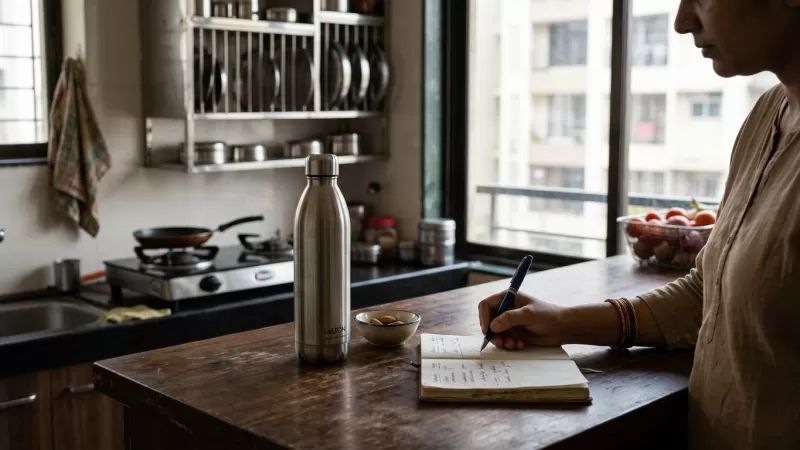
- Keep a steel or copper bottle at your desk or kitchen counter. If you see it, you’re more likely to drink.
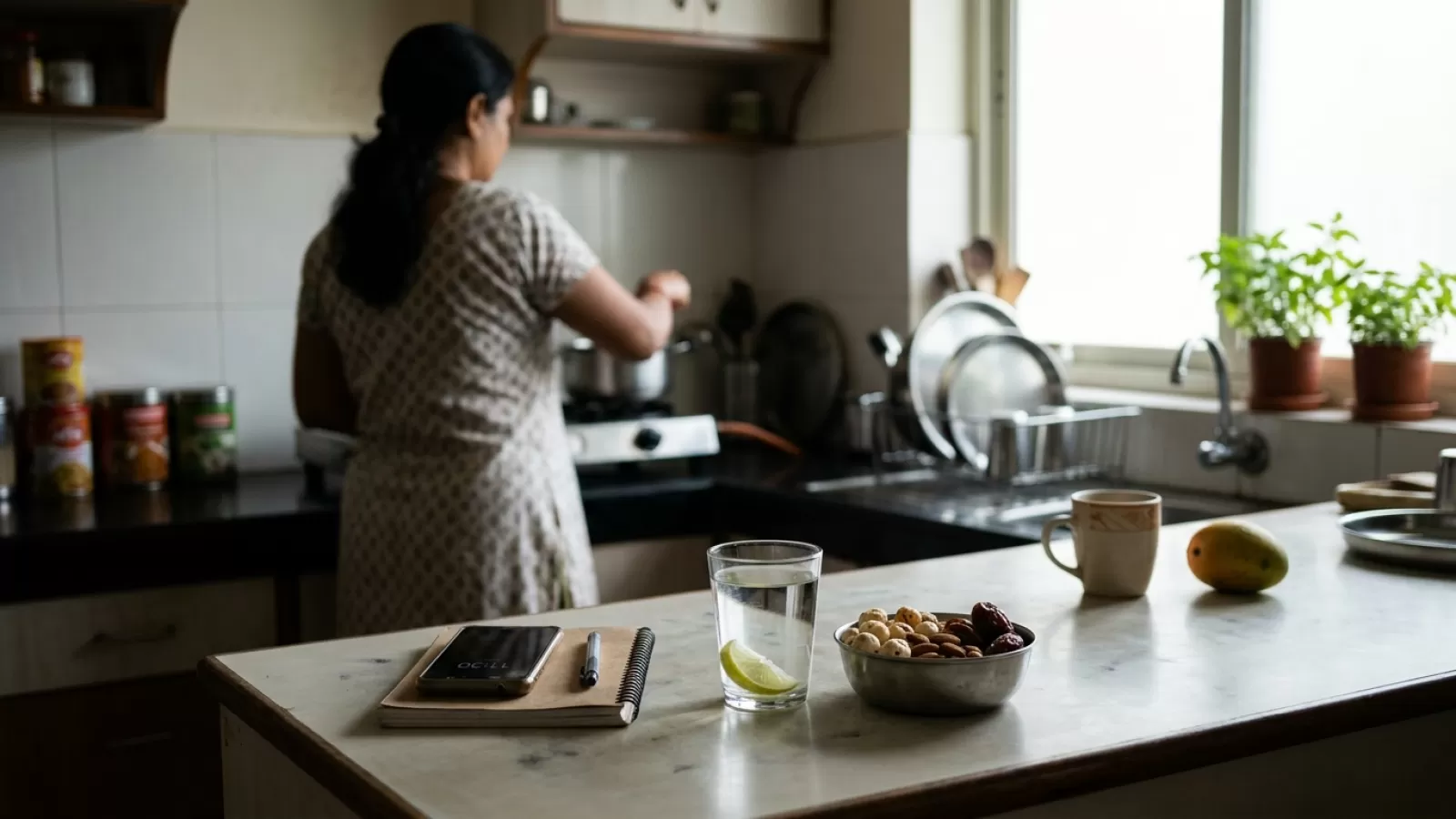
- Try buttermilk, nimbu pani, or coconut water instead of sugary or caffeinated drinks in the afternoon.
- Don’t wait till you’re thirsty. Sip a little every hour, especially if you’re running a fan or AC.
Many families quietly deal with dehydration, especially older adults. Simple reminders work better than apps or alarms—just tie it to a regular habit, like after washing dishes or before your afternoon chai.
Movement Without Exhaustion
It’s a bit of a balancing act. After lunch, most people feel like lying down or scrolling their phone. But too much sitting can actually make you more sleepy, not less.
That said, you don’t need a formal workout or a yoga mat. Gentle movement is often enough—just five or ten minutes of walking inside the house, stretching your arms, or even standing up to fold clothes.
- Walk to the balcony or garden, if you have one, and breathe for a few minutes.
- Do simple stretches—neck rolls, shoulder shrugs, or ankle circles while sitting.
- Set a reminder to stand up every hour if you’re working from home.
These movements keep your blood flowing and gently wake up your body, without making you tired. Over time, it often becomes a habit that you don’t even have to think about.
Rest Isn’t Optional (But Napping Needs Pacing Too)
Afternoon naps are common in many Indian houses, especially for senior family members. But for working people or busy homemakers, long naps can make you feel groggy and disrupt nighttime sleep.
If you feel like you absolutely must rest, try closing your eyes for 10–15 minutes—not a full hour. Keep the phone away. Sometimes, just lying down quietly, without actually falling asleep, helps you recharge a little.
On days when you can’t nap, even a few minutes of sitting in silence, maybe with the fan on and eyes closed, often helps. You might be surprised how refreshed you feel after a short pause, instead of a long, deep sleep.
There's no perfect formula—just listen to your body and avoid comparing your routine with others.
Smart Chai and Coffee Habits
Chai and coffee are comforts in most Indian homes, especially during the afternoon slump. But relying on multiple cups to get through the day can backfire—leading to jitteriness or trouble sleeping at night.
If you enjoy your afternoon chai, try having it with a small snack—like a handful of roasted chana, a biscuit, or a slice of fruit. This can help prevent the quick energy spike and crash that sometimes comes from tea or coffee alone.
- Limit to one cup in the late afternoon, especially if you’re sensitive to caffeine.
- Consider herbal teas (like tulsi or ginger) in the evening.
- Try not to drink tea or coffee on an empty stomach.
It’s about enjoying the ritual without making it your main energy source. Many people find that, over time, the urge for several cups naturally reduces when other habits are in place.
Gentle Evening Routines for Better Next-Day Energy
How you wrap up your day can affect tomorrow’s energy more than you might expect. In many Indian families, dinners happen late—sometimes after 9 or 10 pm, especially when everyone is finally home together.
Eating lighter at night, turning off screens a little earlier, and allowing yourself to wind down gently can make a big difference. Heavy, spicy, or oily dinners can lead to disturbed sleep, which then leads to more fatigue the next day.
- Try simple dal, sabzi, and roti for dinner, and avoid heavy curries or fried foods late at night.
- Take a short walk after dinner, even just around the house.
- Dim the lights and try to relax without screens for 10–15 minutes before bed.
These small changes, though not always easy, tend to add up over weeks. You’ll probably notice that your afternoons feel less exhausting when your nights are calmer.
Listening to Your Body—And Being Kind to Yourself
Fatigue is not always something you can fix overnight. Some days will still be harder than others, especially during busy seasons or stressful times. The key is to notice your own patterns, try a few small changes, and see what works for your family’s routine.
Be gentle with yourself if you don’t get it right immediately. Many people quietly adjust their habits over months, not days. What matters is finding what helps you feel steady, without making life more complicated or stressful.
And if you ever feel that your tiredness is unusual, severe, or not improving at all, it’s always wise to check in with a doctor—just to be sure. For most of us, though, these daily habits offer a softer, steadier way to move through the day, even when things get busy or overwhelming.