Evenings often bring a quiet sigh of relief after a long day spent indoors. Whether you’re working from home, managing the household, or looking after grandchildren, you’ve probably noticed your body feels a bit heavy by sunset. The mind might still be racing, but the arms and legs just want to melt into the sofa. In many Indian homes, this is the time when the day gently shifts gears—dinner is on the horizon, lights begin to dim, and conversations slow down. But sometimes, that tiredness doesn’t fade away on its own. So, how can you help your body and mind find a restful closure, especially after a day of low movement and indoor routines? Let’s look at some simple, familiar habits that can make all the difference.
Understanding Indoor Fatigue: Why Even Sitting Tires You Out
It’s easy to think that tiredness only comes from physical labour, but these days, sitting for long periods—at a desk, in front of a screen, or even just doing quiet household chores—can leave you feeling drained too. This kind of fatigue is a bit sneaky. The body hasn’t moved much, but the mind has been busy: answering calls, worrying about bills, shuffling through WhatsApp messages, or helping children with homework. By evening, it all adds up.
In Indian families, especially with smaller flats and limited access to outdoor spaces, it’s common for everyone to spend most of their day indoors. So, the tiredness you feel is real, even if you haven’t run a marathon. The tricky part is, this tiredness can sometimes leave you feeling both restless and sluggish at the same time—an odd combination, but quite common.
Recognizing this is the first step. There’s nothing wrong with you or your routine. Many people quietly deal with this every day. The good news is, a few gentle changes in your evening habits can go a long way.
Letting Your Body Transition: Small Movements Matter
After hours of sitting or standing indoors, suddenly trying intense exercise in the evening can feel unnatural—or even exhausting. Instead, evenings can be a time for softer movements that act as a bridge between daytime busyness and nighttime rest.
You don’t need fancy equipment or a big space. Here are a few things that help many people:
- Gentle stretching: A few minutes of shoulder rolls, neck turns, or simple side stretches can relieve that stiff, boxed-in feeling.
- Slow walks at home: Walking around your house, perhaps while talking to a family member or listening to music, helps signal to your body that it’s time to wind down.
- Light household chores: Folding laundry, watering plants, or arranging books—these small movements don’t feel like exercise, but they do help loosen up the body.
It’s not about burning calories. It’s about gently telling your body, “The day is easing up now.” Most people find that these small actions, done without rush, make it easier to relax later in the evening.
Caring for Your Eyes and Mind After Screens
After a day of looking at screens—TV, laptop, or mobile—your eyes and mind need a break, but it’s easy to forget. You might notice a faint heaviness behind your eyes, or a feeling that your thoughts are scattered.
Here are some gentle ways to soften that screen-related fatigue:
- Palming: Rub your hands together, then gently cup your palms over your closed eyes for a minute. It’s simple, but surprisingly soothing.
- Looking outside: Stand near a window or balcony and let your eyes rest on something green or distant. Even a few minutes makes a difference.
- Short digital breaks: If you must continue screen-work, try closing your eyes for 20 seconds every half hour. It sounds small, but it helps.
If you’re able, switching to an offline activity—reading a physical book, chatting with family, or just listening to music—can help your mind settle. Not everyone has the luxury of long breaks, but even these short pauses can ease the evening transition.
The Comfort of Early, Light Dinners
In many Indian families, dinner tends to happen late, sometimes after 9 pm, especially when everyone’s schedules are mismatched. But if you’ve been indoors all day, eating late and heavy can make your body feel even more sluggish and uneasy at night.
When possible, try to keep dinners on the lighter side—dal, sabzi, roti, maybe a little rice, and a bowl of curd. Heavy, oily, or spicy dinners can disturb sleep, especially if you’re not very active during the day.
Some families find comfort in eating together, even if just for a short while. Passing the roti basket, sharing a laugh, or talking about the day’s small moments—these simple rituals can help everyone mentally close the day. If an early dinner isn’t possible, even spacing out your meal and bedtime by an hour or so can help digestion.
Evening Bath or Face Wash: A Simple Reset
Many people in India still associate a bath with starting the day, but a quick shower or even just a thorough face and foot wash in the evening can be surprisingly refreshing—especially after a long, stuffy day indoors.
It’s not just about hygiene. The coolness of water on your skin, the simple act of changing into nightclothes, and the feeling of washing away the day’s sweat can have a calming effect on the mind. In hot and humid weather, this small habit provides relief from stickiness, while in winter, even splashing lukewarm water on your face helps you feel a bit lighter.
You don’t need to make it a big ritual. Sometimes, just washing your face, hands, and feet before dinner is enough to signal to your body that the day is winding down.
Creating a Calm Space: Lights, Sounds, and Air
The environment in your home influences how you feel in the evenings. Even if you live in a small flat or with a large joint family, there are little things you can do to make your space feel calmer after a tiring day indoors.
- Dim the lights: Switching from white tube lights to softer lamps or yellow bulbs in the evening can ease eye strain and gently nudge your body towards relaxation.
- Open a window: If possible, let in some fresh air—even for a few minutes. Stale indoor air can make you feel drowsy and irritable.
- Background sounds: Soft instrumental music, bhajans, or even the sound of a ceiling fan—familiar sounds can help your mind settle, especially if the day has been noisy or stressful.
You don’t need a perfectly quiet or spotless home. Just a few small adjustments can make your evenings feel more restful.
Gentle Closure: Simple Routines to Settle the Mind
The transition from day to night is as much about the mind as the body. In many Indian households, families have small rituals that help signal the close of the day—lighting a diya, saying a short prayer, or simply sitting together and talking.
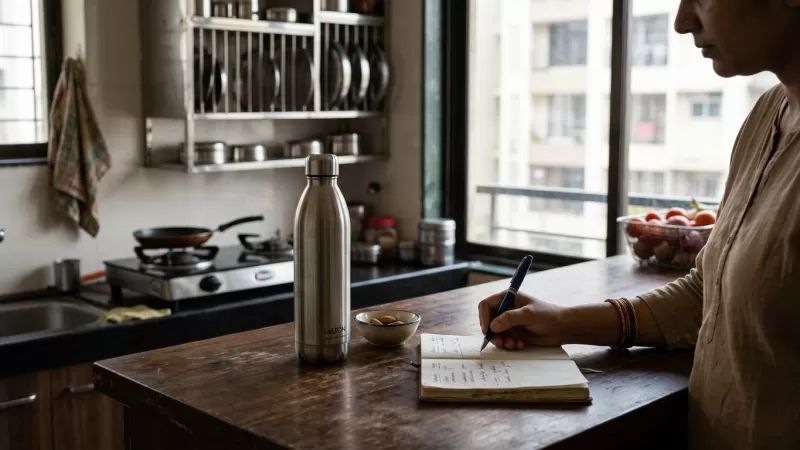
These routines don’t have to be elaborate. Often, what matters is the consistency. For some, writing a few lines in a diary, listening to an old favourite song, or doing five minutes of deep breathing can help the mind let go of lingering worries.
Don’t feel pressured to meditate or follow complex routines. Even something as simple as putting away work papers, switching off notifications, or folding your blanket can act as a gentle close for the day.
Sometimes, the smallest rituals are the most comforting.
Listening to Your Body: Rest Without Guilt
After a long day indoors, it’s easy to feel you “should” be doing more in the evening—more exercise, more chores, more catching up. But sometimes, what your body really needs is rest, plain and simple.
It’s okay to sit quietly, watch the sky darken, or just lie down for a few minutes. In many homes, people feel guilty if they’re not “productive” every hour. That said, rest is not laziness—it’s a basic need, especially after mental work or emotional stress.
On evenings when you’re especially tired, give yourself permission to pause. You’ll often find that a little genuine rest in the evening leads to a better tomorrow, both for your body and mind.