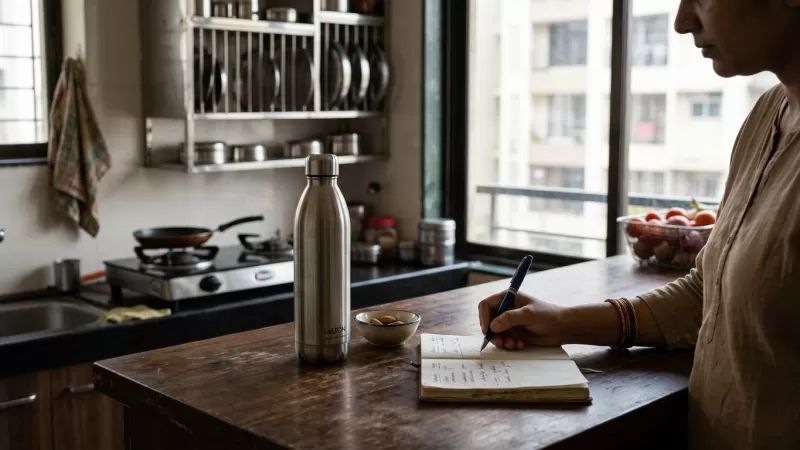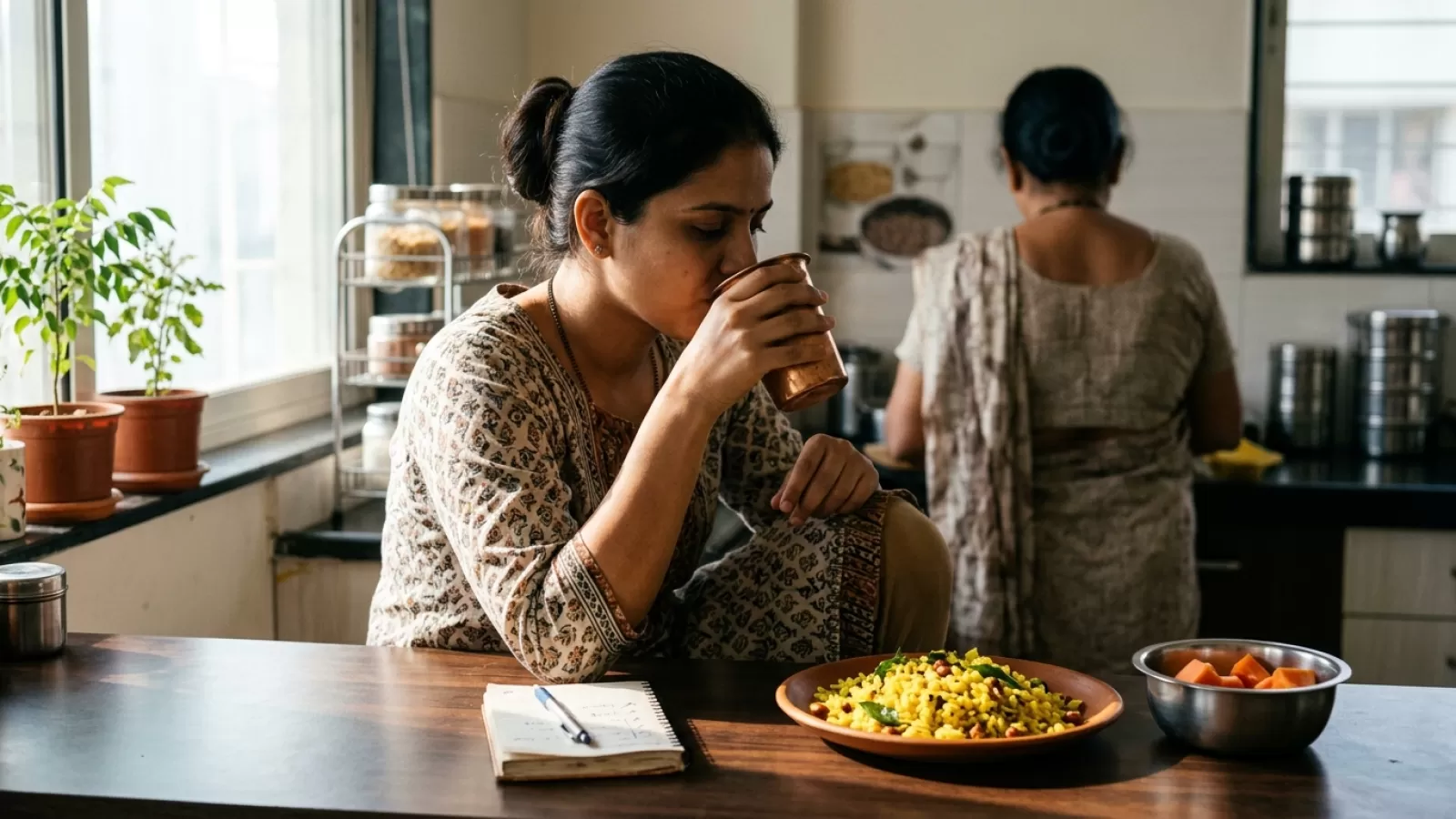
Some days, you wake up feeling almost ready to conquer everything—the chores, the office calls, maybe even that neglected pile of laundry. Other days, energy seems to sneak away without warning, leaving you tired by lunchtime or even before your first cup of chai. Most Indian families know this rhythm well. Whether it’s the heat of May, the rush of the festival season, or just an ordinary Tuesday with too much on your plate, our physical energy often rises and falls without much notice. The trick isn’t always to fight it, but to learn to move with it, gently adjusting your routines and expectations so you stay as comfortable as possible.
Understanding Why Energy Fluctuates
Energy isn’t a straight line. In many homes, people notice they’re bright and active some mornings but find themselves flagging by afternoon. This isn’t always due to any big health problem—it can be about sleep, food, weather, stress, or just the natural rhythm of your body. For homemakers, the early hours can feel busy with tiffin-packing and getting everyone out the door, only to discover a slump just as the kitchen is finally quiet. Seniors and those working from home may have their own patterns, especially after a disturbed night or heavy meal.
Some common reasons for these ups and downs:
- Not enough restful sleep (or broken sleep, which happens a lot in Indian summers)
- Heavy or late meals, especially oily or spicy foods at dinner
- Skipping breakfast, or only having chai and biscuits without something filling
- Sudden weather changes—heat, humidity, even pollution
- Feeling rushed or anxious about family or work responsibilities
It’s rarely just one thing, and many families quietly deal with these dips and bursts every week.
Listening to Your Body’s Signals
One of the most useful habits is noticing when your energy naturally rises and falls. For example, you might feel a burst of energy after your morning walk or after a simple breakfast of poha or upma, but feel sleepy after a heavy lunch. The tricky part is that many people push through these signals, trying to keep up with the day’s demands even when their bodies are gently asking for a pause.
If you can, try to pay attention to:
- When you feel most alert (usually mid-morning for many)
- When you start yawning or feeling heavy (often post-lunch or late evening)
- Whether certain foods or drinks seem to make you sluggish
There’s no need to track everything perfectly, but a little awareness goes a long way. You might find you’re not as lazy or forgetful as you thought—just running on low energy because of how your body works.
Gentle Movement Instead of Intense Exercise
There’s a common belief that exercise should always be intense to be useful. But on days when your energy is low, pushing yourself into a hard workout can actually leave you feeling even more drained. In many Indian homes, movement doesn’t always mean gym time. It could be sweeping the floor, tending to plants, or walking to the nearby market.
Some gentle ways to keep moving when your energy isn’t at its peak:
- Slow stretching before bed or after waking up
- Leisurely walks inside your home or in your society garden
- Simple household chores broken into small parts
- Standing and stretching during long phone calls
These light movements help your blood circulate and can sometimes gently lift your mood, without leaving you tired or sore.
Pacing Your Daily Chores and Work
During busy periods, it’s tempting to try and finish as much as possible in one go. But when your energy feels low, pacing yourself can actually help you get more done—with less exhaustion at the end of the day. Many families find it helpful to tackle demanding tasks (like deep-cleaning or paperwork) during their personal energy peaks, and save easier tasks for later.
Here’s one way to think about it:
- Do physically demanding chores (like mopping or cooking) when you feel refreshed, maybe after breakfast
- Use lower-energy times for sitting tasks—folding clothes, making lists, or even chatting with family
- Allow yourself to take short breaks, especially after standing or bending for long periods
It’s not always easy to slow down, especially with children or elders needing attention. Still, a little pacing often means you’re less likely to end the day completely worn out.
Smart Eating Habits for Steady Energy
Food plays a bigger role than many realise. In Indian households, meals are often lovingly prepared but can get heavy—think parathas with butter, or a big plate of rice and dal. These are comforting, but on days when you’re already feeling sluggish, heavy meals can make the energy drop feel even steeper.
Some gentle ideas (not strict rules):
- Have a small, balanced breakfast with some protein—like a boiled egg, sprouts, or besan chilla
- Eat lunch at a regular time, avoiding long gaps that leave you ravenous
- Try lighter dinners, especially if you eat late (dal, sabzi, a small portion of rice or roti)
- Snack on fruits, nuts, or roasted chana instead of fried snacks between meals
- Drink water regularly, especially in hot, humid weather
That said, not every day can be perfectly balanced. Festivals, family events, and sudden guests mean routines change. It’s okay. Just try to return to lighter, regular meals when you can.
Making Rest Part of the Routine
Rest isn’t only about sleeping at night. Short breaks during the day—just sitting quietly for five minutes, or closing your eyes after lunch—can help recharge you, especially during the afternoon slump that many feel after a busy morning.
Here’s the catch. Many people feel guilty about resting, especially homemakers who think they must be busy all the time. But quiet moments aren’t wasted. In fact, small pauses can help prevent bigger crashes later on.
Simple ways to add rest into your day:
- Put your feet up for a few minutes after lunch, even if you’re just scrolling your phone
- Sit on the balcony or by a window with a cup of tea in the evening
- Listen to gentle music while lying down for ten minutes
You might notice that even a short rest helps you feel more ready for the second half of the day.
Adapting Routines During Special Times
Sometimes, routines get completely disrupted—during festivals, school holidays, or family emergencies. You might find yourself eating at odd hours, skipping your usual walk, or sleeping later than planned. It’s normal. The important thing is to let go of guilt about not sticking to the “perfect” routine, and to focus on small ways to stay comfortable.
During these times, you can:
- Choose simple home-cooked food, even if it’s just curd rice or khichdi for a few days
- Fit in movement in bits—like walking around the house while chatting with relatives
- Prioritize hydration, especially if you’re eating more sweets or salty snacks
- Try to sleep a bit earlier when things settle down, even if it’s just by 15 minutes
Most families go through periods of chaos and calm. Adjusting your routines gently can help you avoid feeling completely wiped out.
Letting Go of Perfection and Being Kind to Yourself
It’s easy to get frustrated when your energy isn’t matching your to-do list. There will be days when even simple routines feel like too much. You’re not alone—many families quietly navigate these ups and downs without talking much about it. The important thing is to remember that comfort and health are about balance, not about doing everything perfectly.
If you notice your energy dipping, try not to be harsh on yourself. Adjust your pace, eat what feels gentle, rest when you can, and move a little if it feels good. These small, flexible choices—made day by day—tend to make life smoother, especially as you deal with the natural rises and falls of energy that come with living in our busy, beautiful homes.
Some days will always feel easier than others.
That’s perfectly normal—and perfectly okay.