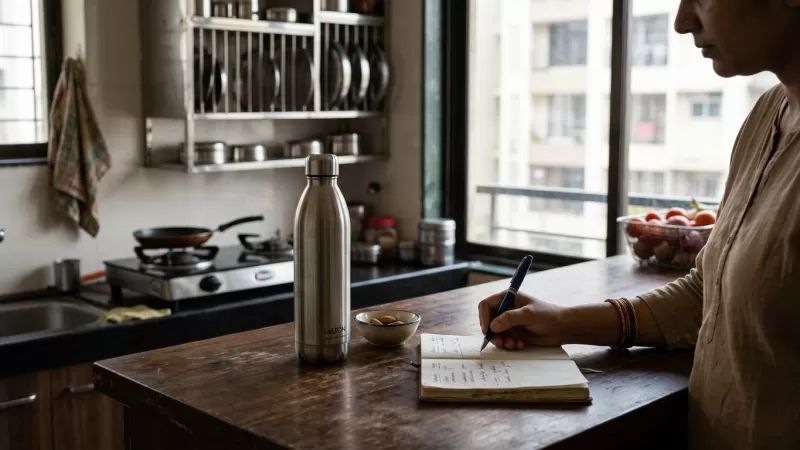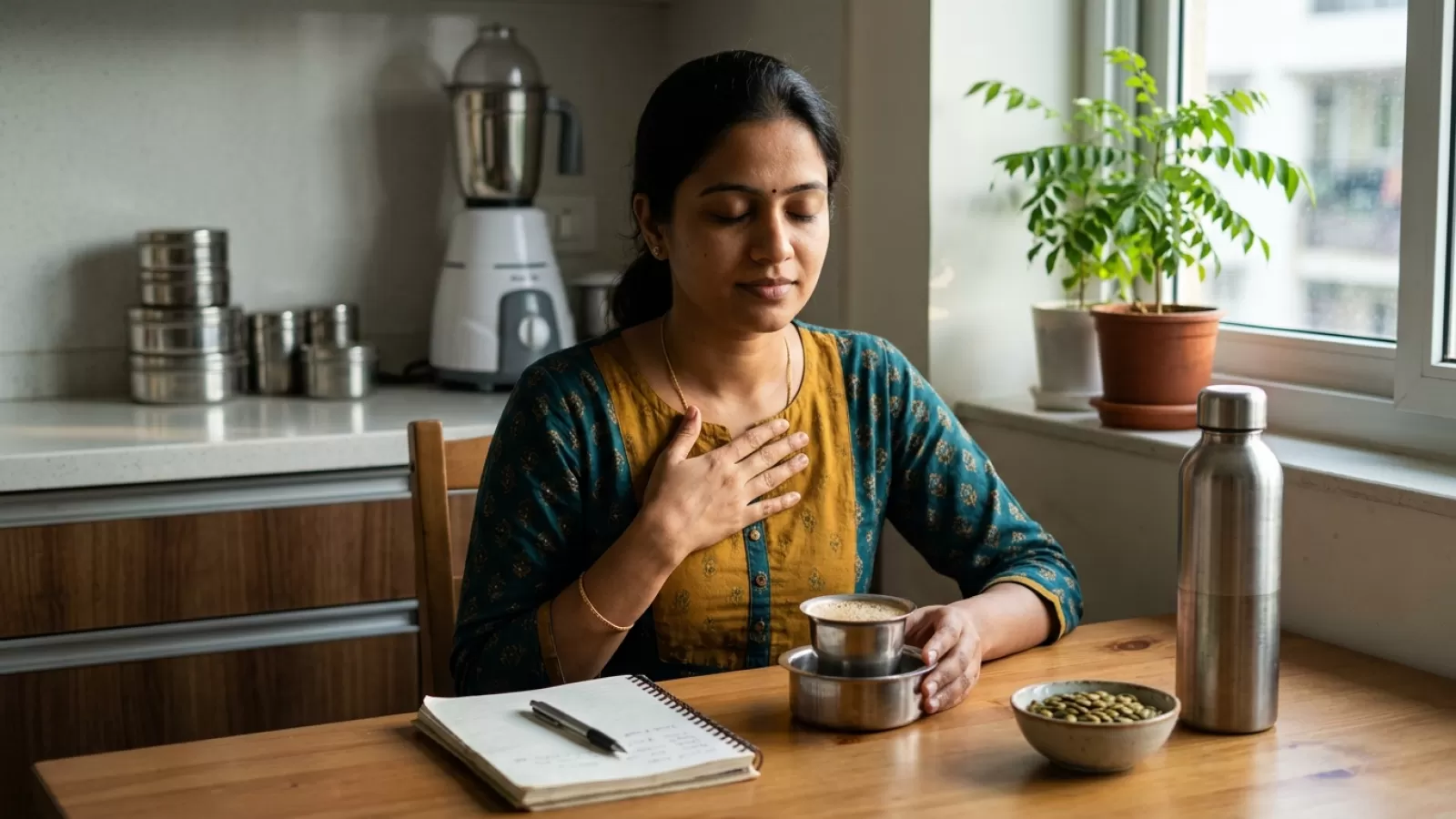
If you’ve noticed your moods swinging more than usual lately, you’re not alone. It’s quite common these days, with so much happening in the world, family routines turning upside down, and even the changing weather adding its own twist. Many Indian homes, whether in big cities or smaller towns, quietly deal with these ups and downs—sometimes without even talking about it. But there are gentle, steady routines and small awareness cues that can anchor you, bringing a sense of balance even when life is unpredictable. Let’s look at some simple ways to support your emotional steadiness, using habits and rhythms familiar in most Indian households.
Understanding Emotional Shifts in Daily Life
Most people experience emotional changes throughout the day—irritation in the morning rush, relief after lunch, or a wave of tiredness at sunset. For homemakers, busy professionals, and seniors alike, these shifts can feel sharper now, with added work-from-home pressures, endless digital notifications, and less face-to-face family time.
Strangely, just being aware that emotions change is helpful in itself. It gives you a little breathing space. You might notice after a long work meeting or a challenging conversation with a family member, your energy dips or you suddenly feel moody. Recognizing these patterns isn’t a solution, but it’s a gentle first step toward steadiness.
In many Indian families, talking openly about feelings isn’t always the norm. So, people end up carrying these mood changes alone, which can make the swings feel even heavier. The good news is, even without big changes, you can bring in small routines that quietly help.
The Power of Everyday Routines
It might sound simple, but routines have a calming effect on the nervous system. Regular habits—like meal timings, tea breaks, or evening walks—send a signal to your mind and body: “You’re safe, you’re home.”
When life gets unpredictable, these small anchors matter more. For example, a steady morning routine, even if it’s just washing your face and drinking a glass of water before anything else, can set a softer tone for the day.
- Waking up and sleeping at roughly the same time
- Eating meals (dal-chawal, roti-sabzi, or whatever is usual for you) at regular hours
- Setting aside a few minutes to sit quietly, with or without prayer
- Short, predictable breaks during the day, even just five minutes to stretch or gaze outside
There’s a quiet strength in these small acts. Over time, they create a sense of stability, even when emotions feel all over the place.
Gentle Awareness Cues: Noticing Without Overthinking
Many people think that to balance emotions, you have to “fix” them. But sometimes, just being gently aware of your mood is enough. For example, if you feel a rising irritation before dinner (which happens in many homes), simply pausing and noticing, “I’m feeling on edge,” can reduce the intensity.
Some awareness cues that fit easily into Indian routines:
- While making tea, notice how your body feels—tense, relaxed, or restless.
- As you fold laundry or chop vegetables, pause to check your breathing.
- After speaking with a relative, take a second to sense any lingering emotions.
This isn’t about overanalyzing. It’s more like taking a gentle mental snapshot. Over time, this habit can make emotional swings feel less overwhelming.
Meal Times as Emotional Anchors
Food has always played a central role in Indian families. Regular meal times—whether it’s a hurried breakfast of poha or a leisurely Sunday lunch—give structure to the day. But meals do more than fill your stomach; they also signal a break, a pause, and a chance to reset emotionally.
Here’s the catch: In many busy households, meals are rushed or eaten while watching TV or scrolling on the phone. When possible, try to sit down (even for a short time), focus on eating, and notice the tastes and smells. This can help ground your mind and calm any racing thoughts.
- Try eating at the table, even if it’s just for dinner.
- Share a few words with family, or even sit in silence if that feels better.
- Notice the flavors—sometimes, a familiar sabzi or pickle can be oddly comforting.
These little meal-time rituals can serve as emotional reset points throughout your day.
Movement and Rest: Balancing Action With Stillness
It’s easy to forget, but your body and emotions are closely connected. On days you sit too long—maybe working from home or just feeling low—emotions can feel stuck or heavy. Simple movement (not fancy exercise) can help shift this.
For many, a gentle walk after dinner, a few stretches before bed, or even sweeping the floor can bring a sense of lightness. You don’t need to follow any perfect routine.
- Try a brisk walk on your terrace or in your lane
- Sway to a favourite old song while cooking
- Practice a few slow neck or shoulder rolls after screen time
And rest matters just as much. Short afternoon naps (if your lifestyle allows), closing your eyes for a few minutes, or even just sitting quietly with a cup of chai can help. The tricky part is balancing movement and rest, but listening to your body’s signals can guide you.
Using Household Rhythms for Emotional Balance
Many Indian homes have their own small rituals—lighting a diya in the evening, watering plants, or listening to devotional songs at certain times. These rhythms aren’t just tradition; they can be gentle emotional anchors.
If you’re feeling unsettled, try leaning into one of these household habits. For example, lighting incense after sunset, or simply sitting in a quiet corner for a minute, can help you feel steadier. These acts may seem small, but they offer a sense of continuity and home.
- Evening aarti or lighting a lamp
- Filling water bottles and keeping them in the fridge for the next day
- Checking on your balcony plants, or feeding birds in the morning
You may find that these moments, even if brief, give your day a comforting structure and a sense of calm amid emotional waves.
Adapting Routines to Modern Life’s Chaos
Let’s be honest: Not every day goes as planned. With children’s online classes, elders’ medical appointments, and unpredictable work calls, routines can fall apart. That’s normal. The key is flexibility, not perfection.
If you miss your usual chai break or dinner gets late because of traffic, don’t be hard on yourself. You can always pick up your routine the next day, or even with the next meal. It’s the effort and intention that matter, not ticking every box.
And during festivals or family functions, when routines fly out the window, try to carry just one small anchor—maybe a quiet minute before bed or a quick morning stretch. These tiny habits protect your steadiness, even on the busiest days.
When Emotional Swings Feel Too Much
Some days, routines and awareness cues may not be enough. If you notice your moods are swinging wildly or you’re feeling persistently low, it’s okay to seek help. Many families still hesitate to talk about emotional struggles, but gentle conversation with someone you trust can make a difference.
It’s also true that in certain seasons—like the humid, restless monsoon or the long winter evenings—emotions can feel heavier. Be kind to yourself during these times. Even small acts of self-care and routine can help you ride out the rough patches.
Above all, remember: Emotional balance isn’t about never feeling sad or angry. It’s about finding enough steadiness to move through your days, most of the time, with a sense of care for yourself and those around you.
Bringing It Together: Steadiness in Small Moments
Life in Indian homes is rarely quiet or predictable. But amidst the noise, the rush, and the drama, you can still find small moments of steadiness. A cup of tea on the balcony, the rhythm of chopping vegetables, a shared laugh during dinner—these are the anchors that help balance emotional swings.
You don’t have to follow every routine perfectly or analyze every feeling. Gentle awareness, a few steady habits, and kindness to yourself are often enough. Over time, these small efforts can bring a deeper sense of balance, even when life feels unpredictable.
You might be surprised how much these simple practices can help—not by removing all emotional swings, but by giving you the strength to ride them with a little more ease.