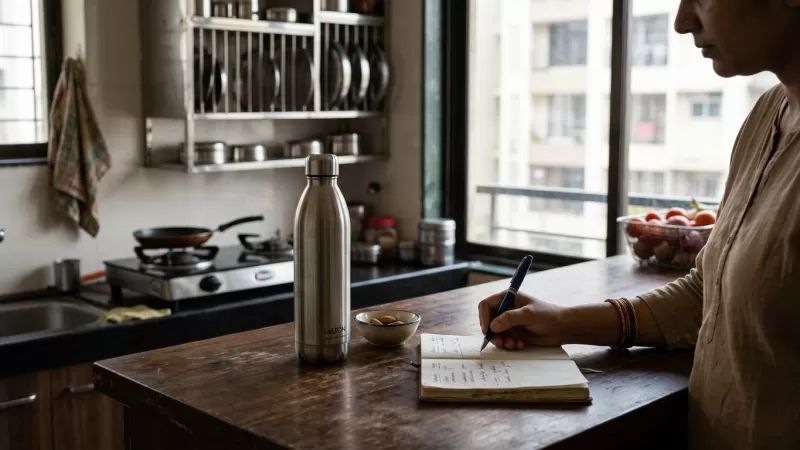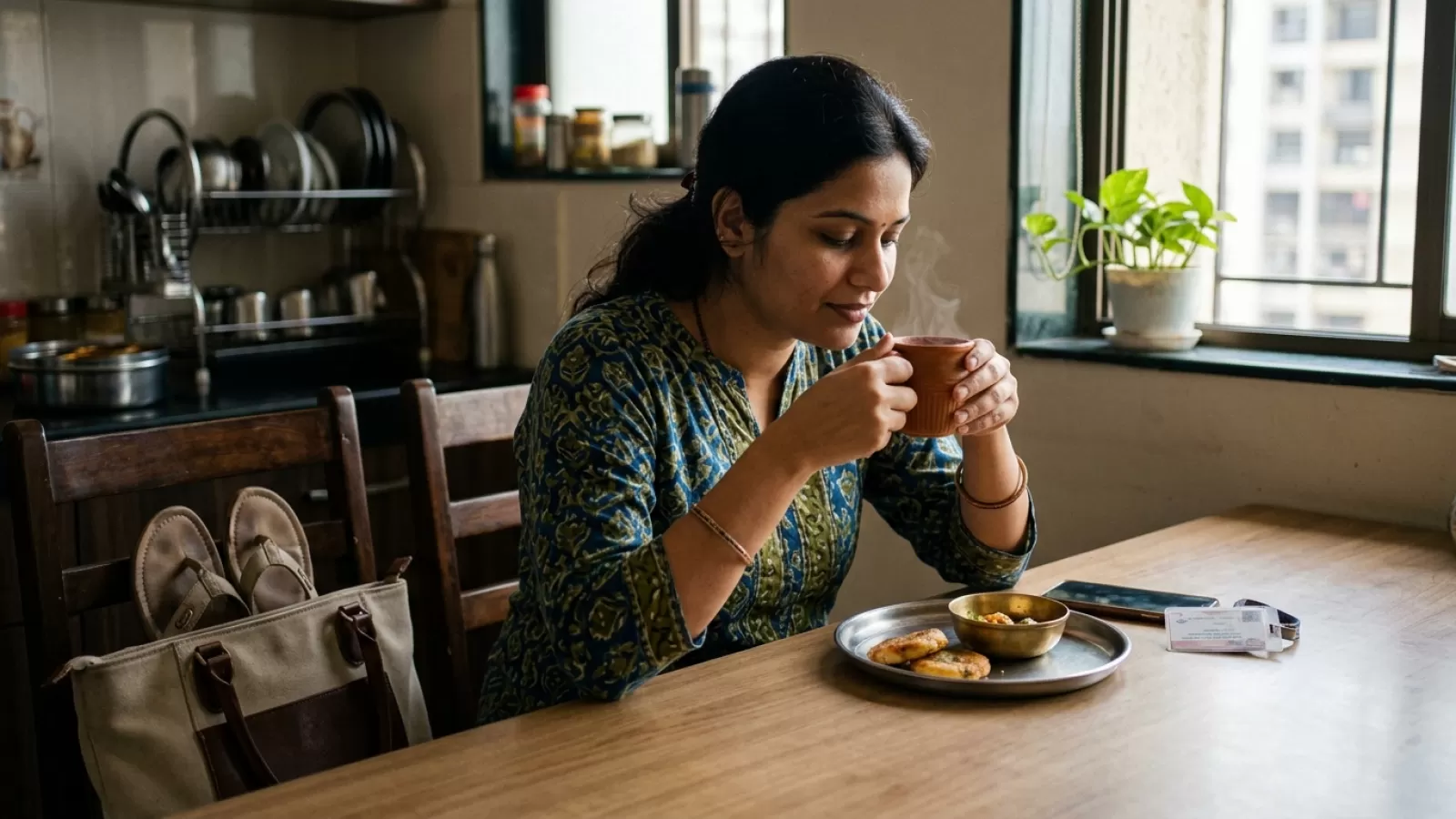
There’s something almost universal about that drained feeling after a long commute through city traffic. Whether you’re squeezed inside a crowded metro, caught in bumper-to-bumper traffic, or just weaving through the daily madness of Indian roads, it’s no surprise that by the time you reach home, every last bit of energy seems to have disappeared. Many families quietly deal with this, especially in cities like Mumbai, Bengaluru, or Delhi, where commute times can stretch out for hours. The tricky part is, even after such a tiring journey, home life still calls—cooking, family, maybe even a bit of office work left over. So, how do you gently shift gears from travel exhaustion to a truly restful evening? Let’s talk about some small, very doable habits to help you refresh and reclaim your evenings.
That First Ten Minutes: Letting Yourself Arrive
When you walk in after a draining commute, it helps to have a tiny buffer before you jump into evening tasks. Many people, especially in joint families, feel like they have to immediately start helping out or catching up. But if you can, those first ten minutes at home are precious.
Try to keep your bag, shoes, and outside clothes in one fixed spot. Wash your hands and face—lukewarm water usually feels best after city dust and sweat. Some people like to stand quietly by a window or balcony, just taking a few slow breaths and letting their body settle. There’s no magic trick here, but these small actions signal to your mind: the commute is over, you’re home now.
Even if you have kids or elders waiting, it’s okay to gently ask for a few minutes to transition. Most family members understand, especially if it becomes a routine.
Changing Clothes, Changing Mood
It’s a simple habit, but changing out of your outside clothes can make a surprising difference. Many households already do this, especially during the hot or rainy seasons. You’ve probably noticed how a fresh set of home clothes—an old kurta, pyjamas, or even just a loose t-shirt—feels like a small relief after sticky, busy roads.
This isn’t just about hygiene, though that matters. It’s about giving your mind a signal: the day’s hustle is done. Some people find it helps to keep a dedicated set of “evening clothes” just for after work. If you’re in the habit of showering in the evening, even better—but if not, a quick wash and change is usually enough.
Over time, this little transition can become something you actually look forward to. It’s low effort, but it does wonders for that tired, restless feeling.
A Simple Sip: Hydrating Without Fuss
Most people don’t drink enough water during their commute. It’s easy to forget, especially if you’re stuck in traffic or don’t want to use public toilets. By the time you reach home, your body is often a bit dehydrated—which just adds to that washed-out feeling.
Before you reach for chai or coffee, try a glass of plain water, nimbu paani, or even coconut water if it’s handy. Many homes offer water as soon as someone comes in; it’s a quiet ritual that makes sense. You don’t have to drink a lot—just enough to gently rehydrate and refresh your system.
- If the weather is hot, add a few tulsi leaves or a slice of cucumber for a cooling touch.
- If your throat feels dry, warm water with a pinch of jeera or ajwain can feel soothing.
Don’t worry about fancy drinks or supplements. Plain, familiar options are usually best for tired bodies.
Mini Movement: Gentle Ways to Release Tension
After long commutes, your body tends to feel stiff—especially lower back, shoulders, and legs. You don’t need a formal workout at this point (who has the energy?), but a little gentle movement can help your body shift out of "commute mode."
Some people just do a simple stretch—raising arms overhead, gently rolling shoulders, or standing up on tiptoes for a few seconds. Walking around the house barefoot, especially on cool tiles, can feel surprisingly grounding. Those with a balcony or small veranda sometimes step outside for a few minutes of fresh air.
If you have knee pain or other aches, don’t force yourself. Even sitting in a comfortable chair with your feet up for a few minutes can help. The point isn’t to burn calories or get fit—it’s just to gently shake off that cramped, stuck feeling from the commute.
Tuning Out the Noise: Quiet Moments for Your Mind
City commutes are mentally noisy—horns, crowds, constant notifications. By the time you’re home, your mind is often racing or just plain tired. It’s tempting to immediately switch on the TV or start scrolling, but sometimes that just adds to the noise.
Instead, try a few minutes of quiet. This doesn’t mean meditation (unless you like it)—just sitting in silence, maybe with the fan on or a bit of soft music in the background. Some people like to light an agarbatti or diya for a brief evening prayer, even if it’s just for a couple of minutes. Others find comfort in watering plants, arranging a few things in the kitchen, or looking over the balcony at the evening sky.
Don’t worry if your mind still feels restless. The idea is simply to let yourself breathe and reset, so the evening ahead feels more like your own.
Simple, Soothing Snacks: Fuel Without Overloading
Many people feel hungry but too tired to cook or eat a full meal right after a commute. It’s easy to reach for fried snacks or sweets, especially if you’re feeling low on energy. But heavy snacks often leave you sluggish, making it harder to enjoy your evening.
Some gentle snack ideas that tend to work well in Indian homes:
- A bowl of roasted chana or peanuts (sprinkled with a bit of salt and mirch).
- Fresh fruit—banana, papaya, apple, or whatever’s in season.
- Homemade poha, upma, or even a small bowl of dal rice if someone has cooked already.
- Leftover sabzi rolled in a roti for a quick wrap.
You don’t have to eat much, just enough to settle any hunger and bring your energy back up. If you’re preparing dinner later, keep snacks light to avoid feeling too full.
Family Time—or Alone Time: What Actually Restores You?
Evenings at home are precious, but everyone’s needs are a little different. Some people feel restored by talking with family, sharing stories of the day, or helping children with homework. Others (especially after a tough commute) just want a few moments alone before they join in.
It’s not selfish to ask for a bit of space when you’re feeling worn out. Many families find that a gentle routine—such as 10–15 minutes of quiet before dinner—is all it takes to shift the mood. On the other hand, if you find laughter and conversation help you relax, go ahead and join in. There’s no right or wrong here; just notice what actually makes you feel better, rather than what you "should" be doing.
Sometimes, all you really need is to sit together, not talk much, and just watch the news or a serial. Other days, sharing a story from your commute makes everyone smile. Let your routine adjust with your needs.
Winding Down: Preparing for a Restful Night
After a demanding day and commute, evenings can feel rushed—dinner, chores, maybe a bit more work. But if you can, try to keep the last half hour before bed a little quieter. This helps your body and mind prepare for real rest.
Many people find comfort in small household rituals: folding laundry, making tomorrow’s to-do list, or setting the kitchen in order. Some light reading, listening to soft music, or even just lying down with the lights low can signal to your body that it’s time to slow down.
Here’s the catch: in many homes, late dinners or unexpected tasks mean you can’t always have a perfect routine. That’s okay. Even on the busiest days, a few minutes of winding down—no screens, no work talk—can make a difference. Over time, these habits add up, helping you feel genuinely refreshed, not just less tired.
Small Steps, Real Relief
There’s no single solution for the exhaustion that comes from long Indian commutes, especially when life at home is busy and everyone’s needs are different. But by building a few gentle transition habits—washing up, changing clothes, hydrating, a bit of movement, quiet time, light snacks, and mindful family (or alone) time—you can slowly reclaim your evenings.
These aren’t dramatic changes. They’re just small, practical steps that fit real life, especially when you’re running on empty. Over weeks and months, they tend to make a quiet, steady difference—helping you wash away the day and enjoy your evenings, even after the longest, toughest journeys.