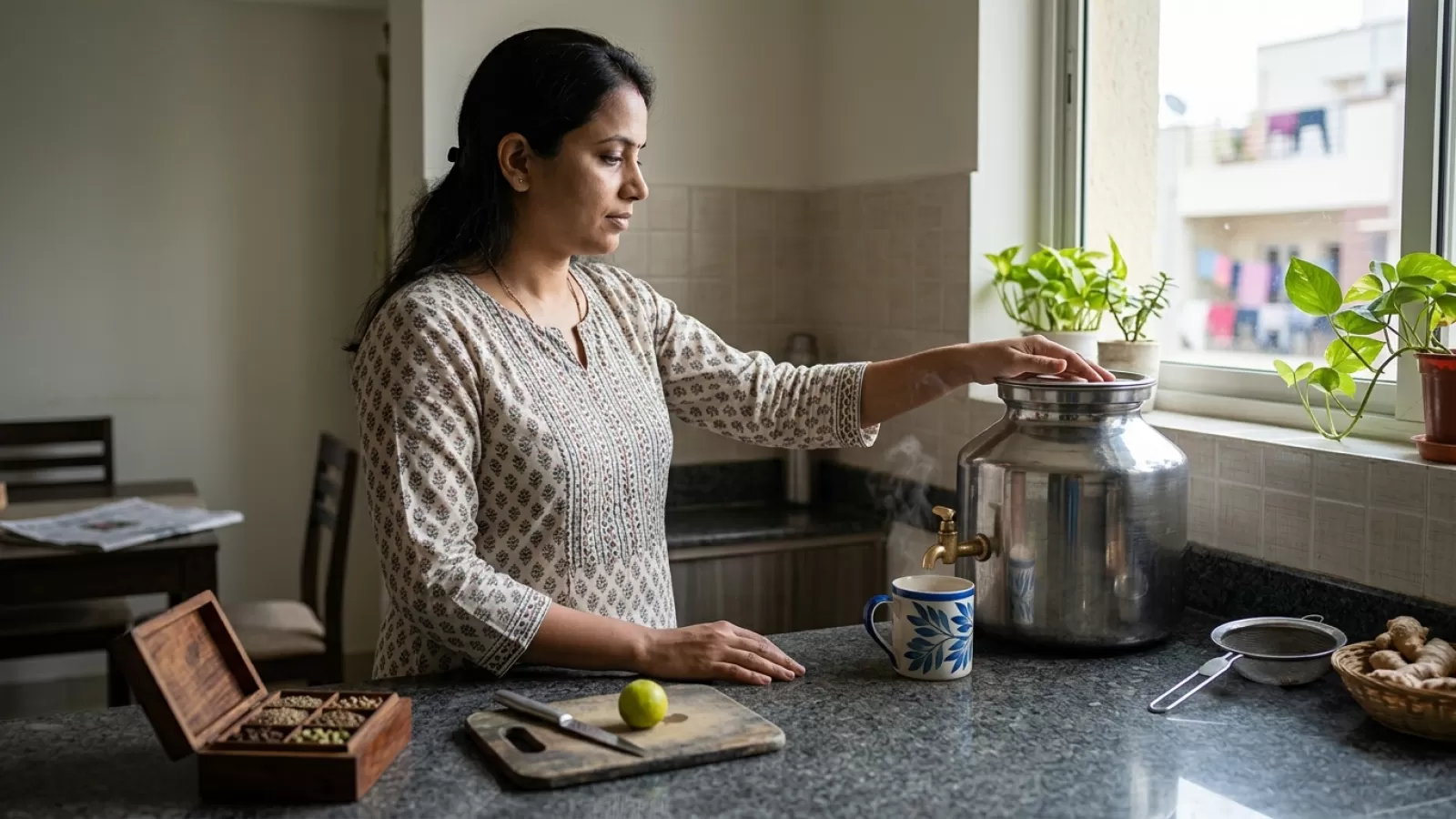
Some mornings, you wake up and the day feels like a blank page—maybe not in an exciting way, but more like a bit of a blur. No set plan, no pressing appointments, just a quiet sense of: “What now?” It’s common in many Indian homes, especially after busy stretches, festival times, or simply when routines get disrupted. The tricky part is, when days start this way, it’s easy to feel aimless or slightly unsteady. Here’s the good news: you don’t need a perfect plan to feel grounded. Simple cues woven into your daily habits—things you already do, or can gently add—can make a big difference in how you move through these plan-less days.
Why Unplanned Mornings Can Feel Unsettling
Most families in India, whether joint or nuclear, keep some routine—morning chai, the sound of the pressure cooker, kids’ school prep, or newspaper delivery. When that routine slips or there’s nothing urgent demanding your attention, the day can feel oddly loose, almost slippery. It’s not laziness, just a natural response to uncertainty.
You've probably noticed that on such days, small decisions—what to eat for breakfast, what to do first—can take longer. The mind drifts. Things get postponed. And by evening, there's sometimes a sense that the day just slipped by. This isn’t unusual, especially for homemakers after guests leave, seniors with lighter schedules, or professionals working from home with flexible hours.
That said, a day without a fixed plan isn’t a problem in itself. It’s how it leaves you feeling that matters. For many, what helps is not a strict schedule, but steady cues—physical, sensory things—that anchor you gently.
Physical Cues: How Your Body Grounds Your Mind
Our bodies notice much more than we realize. The simple feeling of bare feet on a cool floor, the warmth of sunlight at a window, or the rhythm of your own breathing—these are all physical cues that quietly signal “I am here, now.”
In India, many grounding habits are woven into our days already, even if we don’t always name them as such. For example, washing your face with cold water first thing, folding your bedsheet, or even just opening a window for fresh air after getting up. These small actions signal to your body—and your mind—that the day has begun.
- Take a moment to feel the ground beneath your feet, especially if you’re on a tiled or marble floor—a very grounding sensation in Indian homes.
- Let your hands touch water, whether it’s splashing your face, rinsing a copper lota, or watering plants.
- Notice the sounds—birds, distant traffic, or the hum of the fridge—just for a few seconds while you stand or sit still.
These cues might sound simple, but they’re often enough to give your mind a gentle nudge into the present moment.
Rituals That Don’t Need a Clock
Not every ritual needs to be tied to a specific time. In many homes, the day starts with lighting a diya, making chai, or sitting quietly before breakfast. These rituals become steadying forces, especially on unplanned days.
What matters is the act itself, not the clock. So, if you wake up late or if your routine is off-track, you can still create a sense of steadiness by doing a familiar action—like arranging the cushions or sweeping the front step. There’s a quiet satisfaction in these little things, and they’re forgiving. You can do them any time.
Here are a few examples you might find comforting:
- Lighting incense or a diya, even if it’s not a festival or prayer time.
- Taking a few minutes to tidy a corner, fold clothes, or water the tulsi plant.
- Making a simple cup of chai or nimbu paani and really savoring that first sip.
These rituals are like touchstones—they anchor the day, gently, without the pressure of a strict timetable.
Food as a Grounding Anchor
For many Indians, food is more than just fuel—it’s comfort, connection, and often the main anchor of the day. Even on the most unplanned mornings, you’ll notice that hunger or the idea of breakfast brings a kind of rhythm.
Instead of fussing over what’s “healthy” or elaborate, just focus on something familiar. A bowl of dahi with sugar, poha, upma, or even last night’s leftover dal with fresh roti—these are grounding not just for the body, but for the emotions as well. There’s a reason why many families quietly rely on these staples, especially when life feels a bit off-balance.
The act of preparing food, however simple, also gives a sense of purpose. If you’re alone, even the small act of sitting at the table with your plate (instead of wandering around) can help you feel more present. If you live with family, having breakfast together—even if it’s just for ten minutes—can set a gentle tone for the rest of the day.
Nature’s Rhythms: Sunlight, Air, Greenery
You don’t need a garden or a terrace to benefit from nature’s grounding effects. Even in a city flat or a busy neighborhood, there are cues you can use to steady yourself. The morning sun filtering through curtains, a breeze through the window, or the sound of crows and mynahs—these are all reminders that life moves in cycles, no matter your schedule.
Opening windows to let in fresh air, stepping onto a balcony, or even just standing at the threshold for a minute can help you feel more settled. Many people find that watering plants or caring for pets gives a sense of routine, even when nothing else is planned.
Here are simple ways to connect with nature’s cues:
- Notice the temperature of the air as you move from room to room.
- Watch how sunlight shifts in your home; maybe sit where the light feels warmest.
- Listen to birds or distant sounds for a moment, especially before you check your phone or start chores.
These connections don’t require any effort, just a bit of awareness. They help remind you that you’re part of something steady and ongoing.
The Power of Gentle Movement
When the day feels aimless, even the idea of exercise can seem overwhelming. But movement doesn’t have to mean a full workout or yoga session. Gentle movement—stretching, walking from room to room, doing a bit of sweeping, or standing by the window and rolling your shoulders—can be enough to ground your body and shift your mood.
Many homemakers and seniors find that just doing simple chores—folding clothes, arranging vegetables, or wiping surfaces—not only helps the home run smoothly but also gives a sense of rhythm to the day. There’s no need to force yourself into a rigid routine. Just a few minutes of mindful movement, spread through the day, can be surprisingly steadying.
If you’re someone who enjoys a bit more structure, you might try:
- Stretching your arms overhead before you start breakfast prep.
- Walking slowly from one end of the house to the other, maybe while listening to your favorite song.
- Taking a few deep breaths while standing at the window, paying attention to how your chest and belly rise and fall.
Even on the busiest or most unplanned days, these small cues can help you feel more rooted.
Finding Stillness: Brief Pauses Without Pressure
It’s easy to think you should be doing more, planning better, or making every moment productive. But sometimes, what you really need is a pause—a moment of stillness, even if it’s just for a minute.
This might look like sitting quietly after chai, closing your eyes for a few breaths, or simply listening to the sounds around you without judgment. In many Indian homes, this kind of pause happens naturally—after the kids leave for school, after a big meal, or during a lull in the afternoon heat. You might not have called it a “mindfulness practice,” but it serves the same purpose.
Try to give yourself permission for these short pauses. There’s no need for a special technique. Just a moment to sit, stand, or even lie down, noticing your own presence in the room. These tiny breaks can make unplanned days feel less chaotic and more lived-in.
Accepting the Messiness of Real Life
Some days, even with all the cues and habits, you might still feel unsettled. That’s normal. Life in Indian households is rarely picture-perfect—there are interruptions, unexpected guests, power cuts, noisy neighbors, or sudden chores that pop up. The goal isn’t to control every moment, but to find small, steady anchors that work for you, most of the time.
It’s okay if your day doesn’t look like anyone else’s, or if some habits take time to stick. What matters is the gentle intention behind these cues—using the familiar parts of your day to support your emotional steadiness, especially when there’s no strict plan to rely on.
After all, many families quietly deal with days that don’t go as planned. The real comfort is knowing that you have small, grounding cues to return to, whenever you need them, without pressure or perfection.
Putting It Together, Gently
On days without a plan, you’re not lost—you’re simply moving at a different rhythm. By tuning into simple, physical cues—your feet on the floor, morning light, the taste of breakfast, a few moments of stillness—you can find your footing, gently, even in uncertainty.
There’s no need to overhaul your routine or force yourself into a strict schedule. Start with what feels natural, and let these grounding cues support you, one small moment at a time. Over time, you might notice that the day feels less like a blank page and more like a steady, lived experience—imperfect, but quietly satisfying in its own way.
And that’s enough.