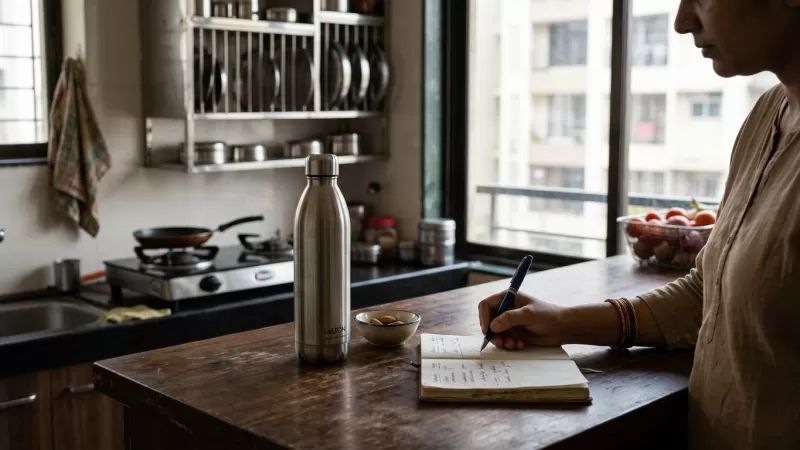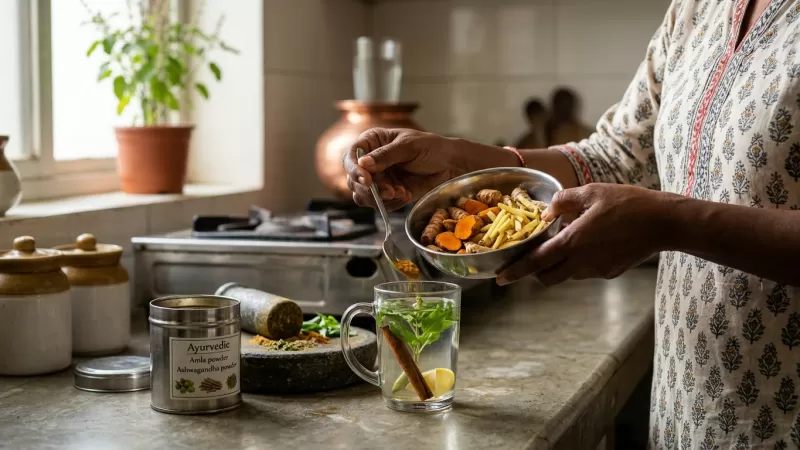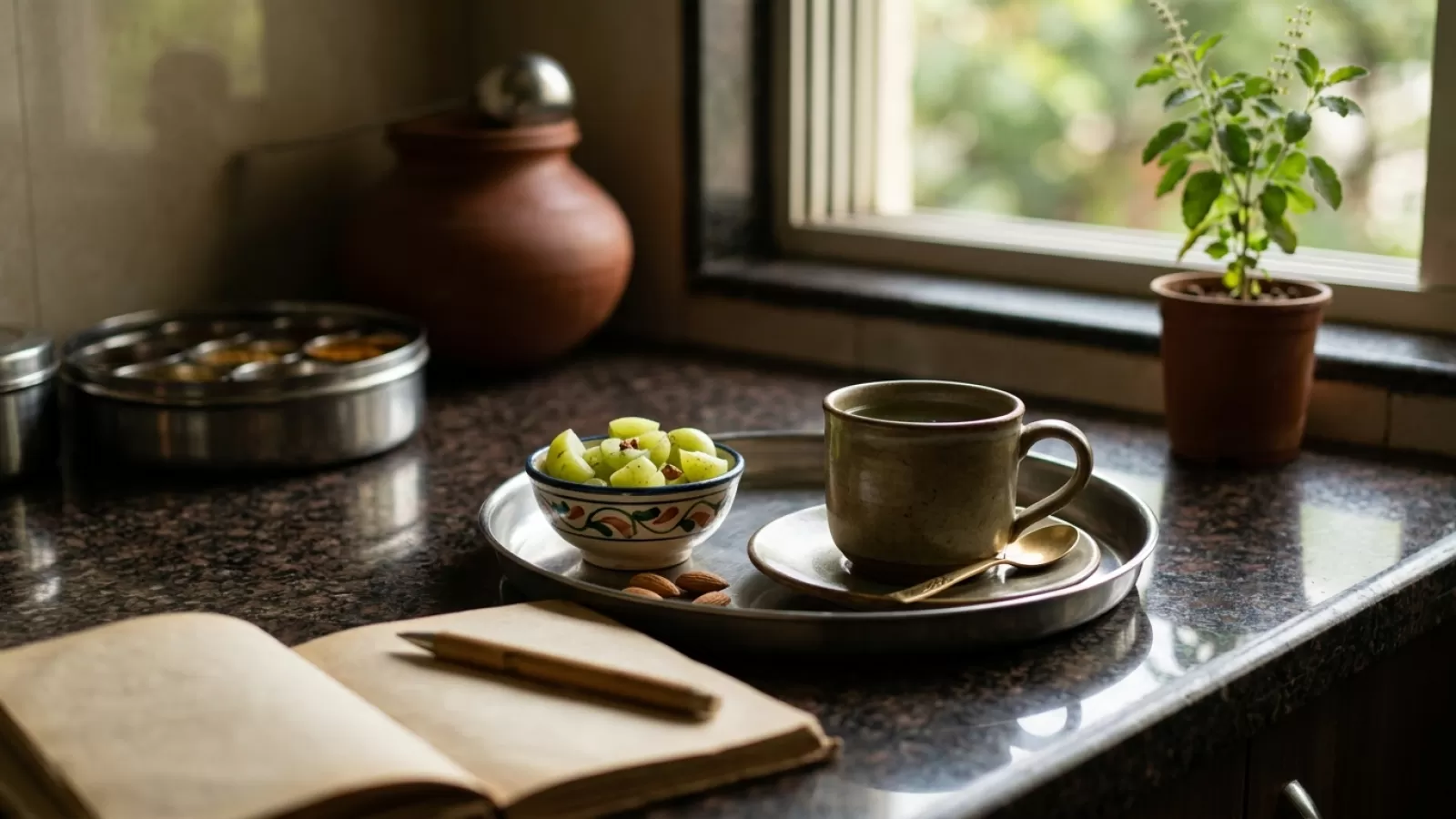
Some days, home life feels wonderfully smooth. Other times, it’s like everyone’s running in different directions – school tiffin, office work calls, grocery runs, and the endless cycle of meals and chores. In Indian households, this busyness is almost a daily companion, but a sense of calm doesn’t have to be out of reach. Often, it’s the small, everyday routines that quietly support a smoother, happier flow at home. Let’s talk through some practical wellness habits that can help bring a bit more ease, even on those days that start with a forgotten water bottle or a late-night dinner.
The Gentle Power of Morning Rituals
In many Indian homes, mornings set the tone for the entire day. The way you start—whether it’s rushed or mindful—tends to echo throughout the hours that follow. Creating a simple and predictable morning routine can help everyone in the family feel a little more grounded, even when the clock is ticking.
This doesn’t mean waking up at 5am or doing complicated yoga stretches. Often, it’s about one or two steady habits: opening windows to let in fresh air, sipping warm water, or sitting quietly for a moment before the day begins. Some households light a small diya or play soft devotional music; others simply enjoy a cup of chai together. The key is consistency, not perfection.
What works for you might not suit another family. That said, even a five-minute pause before the morning rush can help everyone breathe easier. If you have children, involving them in small tasks—like folding their blankets or helping with breakfast—tends to give the day a calmer start.
Meal Rhythms: Finding Steadiness in Food Habits
Food is at the heart of Indian homes, and meal times naturally shape the household rhythm. In recent years, with odd work hours and online classes, meal schedules can get thrown off. Still, having even loosely set times for breakfast, lunch, and dinner usually brings some stability to everyone’s day.
It’s not always about strict timing. Sometimes, just sitting together for one meal—without screens or distractions—makes a difference. Many families find that a shared evening dinner, even if simple (dal, rice, sabzi), helps everyone reconnect after a busy day.
Here are a few gentle reminders for smoother meal routines:
- Try to avoid skipping meals, especially breakfast.
- Keep water handy at the table to encourage regular hydration.
- Involve family members in basic prep—washing vegetables, setting plates—so everyone feels included.
- Leave phones aside during at least one meal; it’s harder than it sounds, but often worth it.
Over time, these habits tend to create a sense of comfort and rhythm, even on days when the food isn’t fancy.
Movement as a Household Habit
Many people think of exercise as something you do at the gym, but in Indian homes, everyday movement is woven into housework, errands, and even playtime with kids or grandchildren. The tricky part is, with modern comforts and more sitting (thanks to screens), many families end up barely moving through the day.
Supporting wellness doesn’t always mean formal workouts. Often, it’s the small, regular movements that add up. You might sweep the house, water plants on the balcony, walk to the market, or take the stairs instead of the lift. Children love to join in with household chores, and it gives them a sense of belonging (sometimes, at least!).
In the evenings, a short family walk after dinner can be a gentle way to wind down. Some families put on music and dance around the living room—nobody’s judging. The main thing is to keep bodies moving in ways that feel natural and pleasant, not forced or exhausting.
Managing Noise and Creating Calm Spaces
Indian homes are often lively—doorbells, pressure cooker whistles, TV news, kids calling out for help with homework. All this energy brings joy, but constant noise can also wear you down, especially if you’re working from home or caring for elders.
Here’s the catch: absolute silence isn’t practical or even desirable in most homes. But creating a few moments or corners of calm can make a difference. You might have a small balcony chair, a window seat, or just a spot near your plants where you can pause for a few minutes.
Some families have quiet hours (maybe after lunch or before bed) when TV and loud music are paused. Others use soft background sounds—like bhajans or gentle instrumental music—to give the home a soothing atmosphere. Even five minutes of quiet, with a cup of tea or just watching the sky, can feel like a reset button.
Noise is part of life, but a little calm in the chaos can help everyone breathe easier.
Pausing for Rest (Even on Busy Days)
You’ve probably noticed how easily rest gets pushed aside. With never-ending tasks—from washing clothes to answering work emails—it can feel almost impossible to take a break. Yet, short pauses are often what help you keep going, especially when energy dips in the afternoon or after a long day.
Rest doesn’t always mean sleeping. It might be closing your eyes for ten minutes, reading a few pages of a book, or just stretching out on the sofa. Seniors often like a short afternoon nap; working adults may find calm in simply stepping outside for a few breaths of fresh air.
The main thing is to give yourself permission. Most homes won’t fall apart if you pause for ten minutes—though it can feel that way sometimes. Over time, these small breaks tend to help you stay steadier, more patient, and less likely to snap at family or get overwhelmed by small irritations.
Small Acts of Connection
In the middle of routines, it’s easy to miss out on little moments of connection—especially in families where everyone’s busy or living in different rooms. But these small acts often keep a household feeling warm and close, even when there are disagreements or tiredness.
Some ways families quietly support each other:
- Checking in with a quick “How was your day?”
- Sharing a favourite snack or cup of chai in the evening.
- Asking children or elders about something they enjoy.
- Sitting together for five minutes, even if nobody says much.
These gestures might seem minor, but they add up. Over the years, many families find that it’s these small, regular connections—not grand outings or gifts—that keep relationships steady during tough times.
Making Room for Flexibility
Routines are wonderful, but life in India is rarely predictable. Power cuts, sudden rain, surprise guests, festival preparations—these things can throw off even the best-laid plans. The ability to adjust without getting too flustered is as valuable as any wellness habit.
Here’s where gentle flexibility helps. If a dinner plan changes, a quick upma or khichdi can save the day. If you miss a morning walk, maybe you squeeze in some stretches while watching TV. If children resist a new habit, sometimes it’s better to try again next week rather than forcing it right away.
Most families quietly deal with disruptions every week. Letting go of perfection and accepting that routines will sometimes slip tends to keep everyone’s spirits up. It’s not about doing everything “right”—it’s about finding what works most of the time, for your unique household.
Celebrating Small Wins (and Letting Go of Guilt)
It’s easy to notice what’s not going well—missed breakfasts, skipped walks, messy rooms. But small successes matter too. Maybe you remembered to drink enough water, or everyone sat together for dinner without arguments, or you simply managed to keep calm during a stressful morning.
These small wins deserve a quiet celebration, even if it’s just a mental pat on the back. Many homemakers and working adults tend to be hard on themselves, feeling guilty for not doing enough. The truth is, most families are juggling a lot, and even imperfect routines help keep things moving.
So, the next time you manage a calm morning, a peaceful meal, or a moment of rest, take a breath and appreciate it. Wellness at home isn’t about grand changes—it’s about steady, gentle habits that support each other, day after day.
Some days will be smooth. Others, not so much. And that’s perfectly okay.