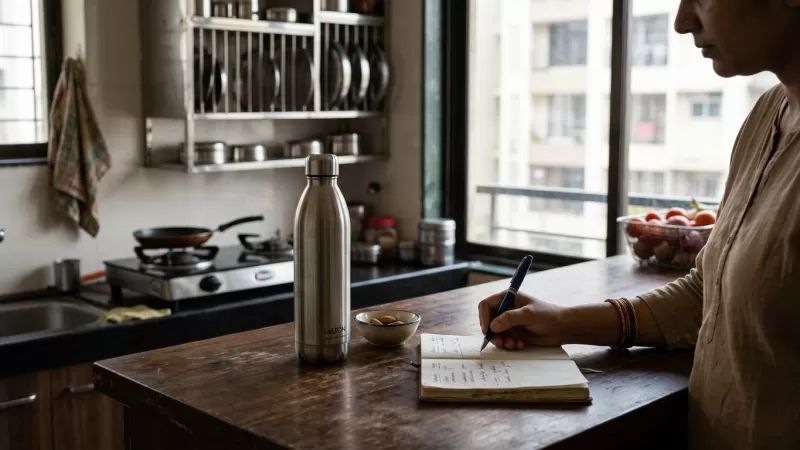
It’s quite common to feel a heavy, slow sort of tiredness creep in after midday—especially in Indian homes where mornings start early and daily routines keep us busy. You've probably noticed, whether you’re a homemaker finishing chores, a professional working through meetings, or a senior managing the house, that by the time lunch is over, your body and mind can feel a bit dull. This isn’t something unusual and, frankly, most families quietly deal with this slump in their own ways.
Why Does Midday Sluggishness Happen?
The tricky part is, there’s no single reason. In many Indian families, breakfast happens early, and by noon, energy starts dipping. Add to that our climate—hot summers or humid monsoons can make anyone feel more drained after lunch. Meals themselves (often rice, dal, sabzi, and a bit of roti) can also play a part. Sometimes it’s the heaviness of carbs, sometimes it’s just the body’s natural lull after eating.
Work-from-home routines, endless screen time, and long commutes can make it worse. And let’s be honest, not everyone is getting eight hours of sleep these days. So, it adds up. You might feel like you’re just not as alert, or you’re moving slower than before lunch.
But here’s something reassuring: a midday dip is not a sign that you’re doing something wrong. It’s a gentle nudge from your body.
Spotting the Signs: Awareness Cues
Most people notice the obvious signs—yawning, droopy eyelids, maybe a sense that you just want to sit down for a minute. But there are other, subtler cues that the body gives:
- Difficulty focusing on conversations or work
- Unusual irritability or impatience
- Minor aches (like a stiff neck or tired legs)
- Mindless snacking, especially on sweets or chips
Sometimes people overlook these, thinking they just need to push through. But taking a moment to notice these cues can help you respond in a kinder, more effective way. In many homes, someone will quietly get up and water the plants or just step out for a few minutes—often, that’s the body’s way of looking for a reset.
Rethinking the Lunch Routine
Lunch is a big affair in many Indian homes. During summer, it’s tempting to load up on rice or have a heavy curry. But the truth is, heavier meals tend to make the body feel slower, especially if you’re sitting right after. Lighter dals, a bit more sabzi, and some curd can make a difference. Rotis made from a mix of flours (like adding a bit of jowar or bajra) might help keep energy steadier.
Here’s the catch: skipping lunch or eating too little isn’t really the answer. That can lead to more fatigue and even headaches later on. It’s more about balance. Some families add a salad or a small bowl of sprouts. A squeeze of lemon or a bit of raw onion can also make the meal feel lighter, especially during hotter months.
For those at work, carrying a homemade dabba rather than eating canteen food or ordering out may help you avoid that heavy, sluggish feeling. It’s not about perfection—just small, familiar tweaks.
Gentle Movement: The Body’s Reset Button
It’s easy to feel stuck at your desk or in the kitchen during this time. But even a few minutes of gentle movement can shake off that sluggishness. You don’t need a complicated routine. In fact, many elders will simply walk around the house, check on the balcony, or fold laundry while standing.
- Try standing up and stretching your arms overhead
- Walk to another room and back—slowly is fine
- Do ankle rolls or shoulder shrugs while sitting
- If you have stairs, one or two trips up and down can be surprisingly refreshing
The main thing is to listen to your body. Some days, you might need more rest; other days, a bit more movement. That’s completely normal.
Hydration Habits that Work
In many households, tea or coffee is the usual pick-me-up after lunch. That’s alright for most people, but sometimes, more caffeine can make you feel jittery or disturb your evening sleep. Water is often overlooked. During summer or after eating spicy food, the body loses more fluids than we think.
One practical approach: keep a bottle or glass of water near your workspace or in the kitchen. Even a few sips every half hour helps. Some families like to have buttermilk (chaas) or a little nimbu paani. These can be cooling and help with digestion too.
If you’re looking for variety:
- Try plain coconut water (if in season and affordable)
- Add a slice of cucumber or mint to your water jug
- Have a small bowl of seasonal fruit (like watermelon or papaya) mid-afternoon
The idea isn’t to drink huge amounts all at once, but to keep sipping steadily so the body doesn’t have to work extra hard.
The Power of a Short Pause
This is something that tends to get lost in busy homes—simply pausing for a few minutes without distractions. For some, it’s sitting quietly with the fan on. For others, it’s closing their eyes for five minutes, not to sleep, but just to rest. Even listening to a favourite bhajan or some soft music can help the mind reset.
Some people use this time to pray or do a short breathing exercise. The important thing is to avoid scrolling on the phone or watching TV—these can keep the mind busy, but don’t actually refresh it. Just five or ten minutes of real pause can bring a surprising sense of steadiness.
It’s not always possible to get this every day, especially with kids at home or work calls coming in. But whenever you can, even a short break can do wonders.
Finding Lightness with Mindful Snacking
By mid-afternoon, it’s normal to crave something small. In many Indian families, this is when the biscuit tin comes out or someone fries up a quick snack. While these are enjoyable, frequent heavy snacks can actually make sluggishness worse.
Some lighter options that people find helpful:
- A small bowl of roasted chana or peanuts
- Fresh fruit, sliced and sprinkled with chat masala
- Homemade murmura (puffed rice) mix with a few peanuts or curry leaves
- A piece of jaggery with a few nuts
The main thing is portion and timing. Eating too close to dinner can spoil your appetite, and very sugary snacks can bring a quick burst of energy, but leave you feeling more tired later. It’s a balance, not a rule.
Listening to Your Own Rhythm
Every home has its own flow. Some people feel their energy drop just after lunch, others a bit later. Seniors may feel it more strongly, while young adults sometimes push through without noticing. The best wellness pattern is one that fits your life and feels natural.
Over time, you may notice that certain foods, activities, or even the way you take breaks makes a difference. It’s okay to experiment a little. Maybe you need more water, a lighter lunch, or just a few minutes of quiet after eating.
No two days are alike. Some days will be smoother, others will feel heavier. That’s part of daily life, and it’s completely fine. The important thing is to notice what helps you most, and to know that midday sluggishness is something you can work with gently—without harsh fixes or rigid rules.