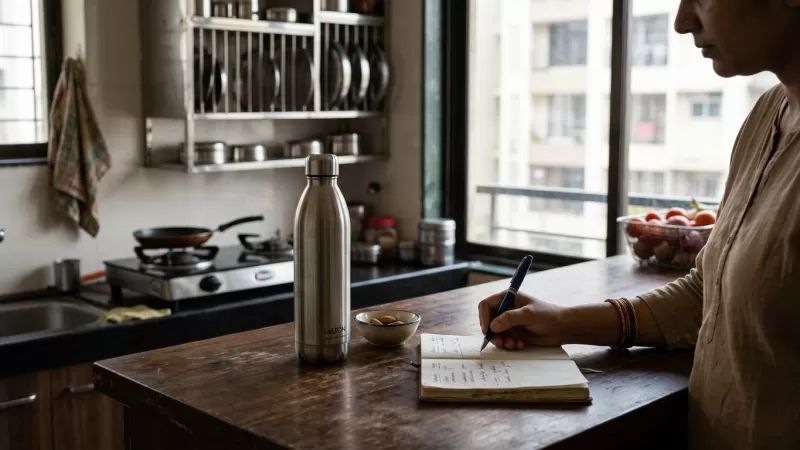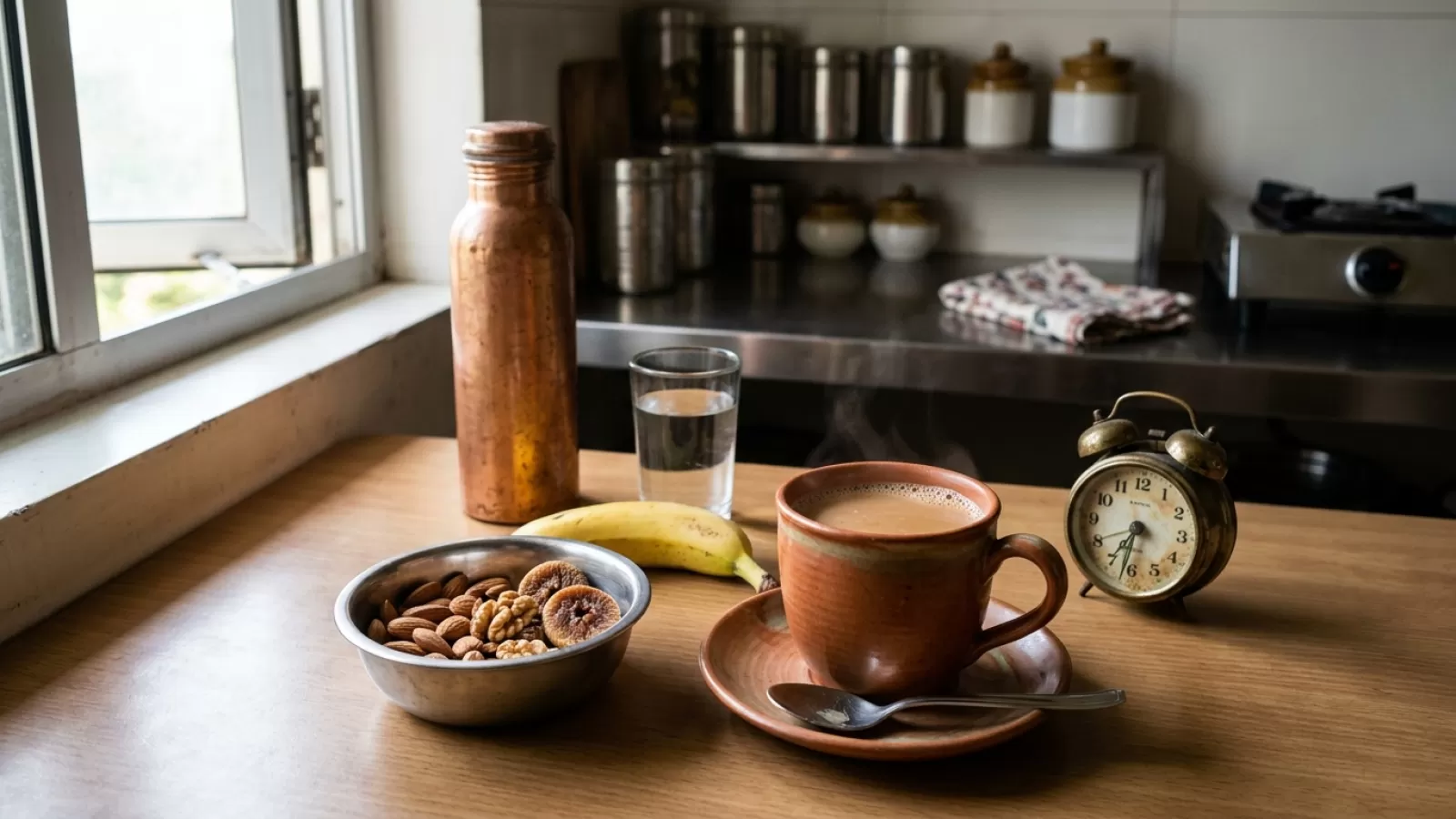
Most people in Indian families live at a hectic pace these days. Whether you’re rushing to catch the morning metro, supervising tiffin packing, or managing a long queue of WhatsApp messages before breakfast, life rarely seems to slow down. But quietly, many of us long for some inner steadiness—a sense that, even if the world is busy, we can keep a gentle, personal rhythm. This isn’t about chasing perfection. It’s about small, daily habits that help you feel settled even during the busiest days.
Understanding Your Natural Rhythm
Everyone’s body and mind have a natural rhythm, but it’s easy to lose touch with it under deadlines and daily chores. In many homes, mornings start at a rush and evenings wind down late—sometimes after a heavy dinner or a last round of TV serials. You might notice that some days you just feel more “in sync” than others.
Finding your inner pace often starts with simple awareness. Are there times when you feel calm and focused, no matter what’s happening around you? For some, it’s early morning before the household wakes up. For others, it’s a quiet cup of chai after lunch, or the few moments of prayer before bedtime.
Try noticing these pockets of steadiness. You don’t have to force anything—just observe. Over time, these small moments become anchors when days feel rushed or scattered.
Structuring Your Day: The Subtle Power of Routine
There’s something comforting about routine, even if it’s not very strict. Many Indian homes have their own version—a certain time for chai, a family meal together, or a set bedtime for children. These repeated actions give a sense of order, helping your mind and body anticipate what comes next.
You don’t need an elaborate schedule. In fact, rigid routines can sometimes add stress. Instead, try anchoring your day with a handful of steady points:
- Waking up and sleeping around the same time, even on weekends
- Eating meals at roughly similar hours
- Setting aside a few minutes for yourself—maybe after breakfast or before dinner
Over time, these gentle routines support your inner rhythm, making you less likely to feel thrown off by sudden changes.
Eating with Awareness: Meals as Moments of Steadiness
In many Indian families, meals bring everyone together, but with changing work hours and school timings, it’s not always possible. Still, the way you eat can influence your inner pace.
Rushed eating—standing at the kitchen counter, or scrolling through the phone between bites—tends to leave you feeling unsatisfied and a bit unsettled. When you can, try this:
- Sit down, even if alone, and notice your food—the colors of dal, the smell of fresh roti
- Take a few slow breaths before starting
- Chew food well, setting down your spoon or roti between bites
You don’t have to do this at every meal. Even once a day, a quiet, mindful meal can help steady your mood and digestion.
Movement for Balance, Not Burnout
When people think of exercise, they often imagine intense workouts or long sessions at the gym. The truth is, you don’t need anything fancy to support your inner pace. In Indian homes, daily movement comes naturally—sweeping floors, climbing stairs, walking to the market.
The tricky part is, a lot of us now sit for hours, whether at work-from-home desks or watching TV. Gentle movement sprinkled through the day helps more than you’d expect. You might try:
- A short walk after meals—just around your building or terrace
- Stretching your arms and back every hour or so
- Joining in with kids for their evening play (even for 10 minutes)
It’s less about burning calories and more about waking up your body, which often leaves your mind feeling steadier too.
Breathing and Pausing: Quiet Tools for a Busy Day
Breathing deeply isn’t new advice, but it’s surprisingly helpful—especially when you’re feeling scattered. You’ve probably noticed how, after a small argument or a stressful phone call, your breath gets shallow and quick.
Whenever you remember, pause and take 2–3 slow, deep breaths. You can do this while waiting for chai to boil or standing in a queue. Some people like to close their eyes for a minute, but even with eyes open, a few calm breaths make a difference.
Here’s the catch: It feels silly or unnecessary at first. But over time, these tiny pauses become natural, giving you a small island of calm in the middle of a choppy day.
Rest and Sleep: Giving Yourself Permission to Slow Down
Most people know that sleep matters, but actually getting enough rest is another story. Late-night phone scrolling, catching up on Netflix, or finishing work emails often push bedtime later and later. In many families, the urge to squeeze in “me time” after everyone else sleeps is real.
While a perfect sleep routine isn’t always possible, a few gentle habits can help protect your rest:
- Dim the lights and avoid noisy TV at least 30 minutes before bed
- Try a quiet ritual—herbal chai, listening to soft music, or light reading
- Avoid heavy meals or spicy snacks right before lying down (especially during hot summer nights)
It’s easy to feel guilty about slowing down, but restful sleep is not a luxury. It’s a quiet investment in your steadiness for the next day.
Managing Expectations: Kindness with Yourself
In Indian homes, it’s common to juggle many roles—parent, spouse, caretaker, employee, sometimes all at once. The pressure to “do it all” can chip away at your inner calm. Here’s something worth remembering: some days will be messy, no matter how many good habits you try.
When you miss your morning walk or end up eating dinner late, try not to be harsh with yourself. Steadiness isn’t about being perfect—it’s about returning to your pace, gently, when you can. Forgiving small slips makes it easier to get back on track, instead of giving up altogether.
It often helps to talk with family about what you need for balance—maybe a little help with chores or a few minutes of quiet time in the evening. Most families understand, especially once you share how these small changes help everyone feel more settled.
Finding Small Joys: Everyday Steadiness in Indian Life
It’s easy to overlook the tiny things that bring steadiness—a favorite song while cooking, the sound of rain during monsoon, or a neighbour’s smile on your morning walk. In many households, these small joys quietly punctuate the day, even if everything else feels rushed.
Try noticing what brings you a sense of ease or quiet happiness. It could be watering your balcony plants, lighting a diya at dusk, or even just sitting with your feet up after a long day. These aren’t just nice extras—they’re part of your natural rhythm, helping you come back to your inner pace.
No one has it all figured out. But with a few thoughtful habits, a little patience, and some kindness towards yourself, you can find moments of steadiness—even on the busiest days.