Most of us want that steady, comfortable energy that lasts through our everyday routines—nothing dramatic, just enough to get through the usual morning rush, a workday, or looking after the house without feeling too tired or restless. In many Indian homes, small wellness habits quietly make a difference, though they’re often easy to overlook when things get busy. The good news? You don’t have to overhaul your life or spend on fancy products. Just a few gentle changes can help you maintain softer, more even energy throughout the day.
Understanding Gentle Body Energy
When people talk about energy, it’s not always about being super active or bursting with enthusiasm. Gentle body energy is more about feeling comfortable in your own skin, not too tired, not too jittery. It’s that steady state where you can manage your day’s chores, enjoy meals, and even take a moment to rest without feeling completely drained.
You’ve probably noticed that our energy isn’t the same every day. Weather, food, sleep, stress, and even what’s happening in the family can make a big difference. Sometimes, just a late night or a heavy meal can leave you feeling off the next day. That said, some patterns do help most people feel steadier, and it’s often the simple things that work best.
The tricky part is, there’s no single formula. But a handful of gentle habits, tried and tested in many homes over the years, tend to keep energy levels more balanced for most people.
Making Mornings Less Rushed
Mornings set the tone for the whole day. In most Indian houses, mornings are busy—making tea, packing tiffin, waking up kids, or getting ready for office calls. It’s easy to skip breakfast or rush through your first cup of chai, but this often leaves you feeling tired or hungry by mid-morning.
One gentle habit is to wake up just ten or fifteen minutes earlier, if possible. This isn’t always easy, especially after a late night or during winter. Still, even a few quiet minutes—maybe sitting near a window, drinking water, gently stretching your arms and legs—can help your body wake up softly instead of with a jolt.
Breakfast doesn’t need to be fancy. Something familiar like poha, upma, or plain roti with sabzi gives a steadier start than skipping food or eating biscuits on the go. Not everyone feels hungry early, and that’s okay. A small fruit or a handful of nuts can be enough till you’re ready for a bigger meal.
Small Movements Throughout the Day
Many people believe exercise means going to a gym or doing tough workouts. But for gentle, steady energy, small movements often work better—especially if you’re busy, older, or have aches and pains.
If you spend long hours sitting (like many work-from-home professionals do these days), try to stand up every hour, even if it’s just to fill your water bottle or check on something in the kitchen. Light stretches while waiting for the cooker’s whistle or rolling your shoulders during TV ads can keep your body from feeling stiff or heavy.
- Take short walks inside the house—maybe while talking on the phone.
- Sit on the floor for a few minutes (if comfortable), which gently works different muscles.
- Use stairs instead of the lift now and then, but only if it feels safe.
What matters is not letting your body stay in one position for too long. These small movements add up, often helping you avoid that afternoon slump many families quietly deal with.
Eating for Even Energy
Indian meals are usually balanced—dal, roti, sabzi, and curd. That’s a good thing, because too much of one type of food (like only rice or too many fried snacks) can make energy levels go up and down sharply.
Try to include something with protein (dal, paneer, eggs) in both lunch and dinner. You don’t need anything exotic; even a simple bowl of moong dal or a few slices of boiled egg with roti works. In summer, curd or buttermilk helps you feel lighter, while in winter, a warm bowl of sabzi or soup is comforting.
Many people get hungry in the evening and reach for chai with biscuits or namkeen. That’s natural, but if you often feel heavy or sluggish after such snacks, try switching to roasted chana, fruit, or a small bowl of sprouts. It’s not about strict rules; just small switches that keep your energy from dropping suddenly.
Hydration—But Not Overdoing It
It’s common in Indian homes to drink a lot of chai or coffee, especially during busy spells. While these drinks give a quick lift, too much can leave you feeling restless or unable to sleep at night. Plain water is still your best friend, but it’s easy to forget about it, especially in winter or during rainy spells.
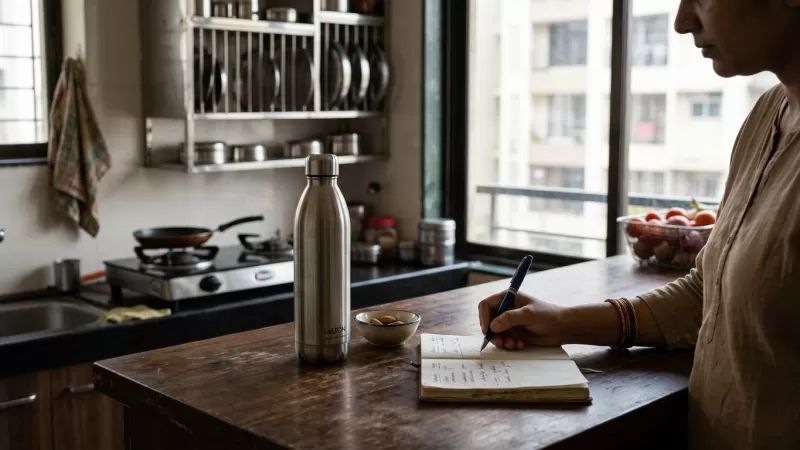
- Keep a steel or copper bottle filled and within reach, whether you’re working, watching TV, or cooking.
- Try sipping water slowly through the day, instead of gulping down large glasses at once.
- In hot weather, nimbu pani, coconut water, or chaas (buttermilk) can refresh you gently.
You don’t have to aim for a certain number of glasses unless your doctor has said so. Just pay attention to your thirst, and remember that feeling tired or dull is sometimes a sign you need a little water.
Rest Without Guilt
Rest is not just about sleep. In many homes, especially with elders or homemakers, there’s a feeling that you must stay busy all day or you’re being lazy. But short, guilt-free breaks actually help your body recharge gently.
If you can, lie down or sit with your legs up for ten minutes in the afternoon, especially after lunch. Even just closing your eyes and listening to soft music or silence can make a difference. Some people like to doze off for a bit, while others prefer reading or knitting quietly.
Here’s the catch. You’ll probably feel like there isn’t time for this, especially if you’re balancing office work and family. But even a few minutes of true rest—where you’re not scrolling on your phone or worrying about the next chore—can help your body and mind recover, making the rest of the day easier to manage.
Balancing Screens and Quiet Moments
These days, screens are everywhere. Phones, TVs, laptops—they keep us connected and entertained, but can also leave us tired in a way that’s hard to describe. Blinking eyes, headaches, even feeling wired late at night—all of these have become more common.
It’s not practical to avoid screens completely. But if your energy often feels scattered or restless, try building in small quiet moments without screens. Maybe it’s enjoying your chai on the balcony, listening to birds, or taking a slow walk after dinner with someone at home.
Some families keep a ‘no screens’ time during meals. Others set aside just ten minutes before bed to sit quietly, pray, or chat. You might notice that your sleep and mood improve even with these tiny changes.
Gentle Evening Routines
Evenings can be chaotic—wrapping up work, helping with homework, or preparing dinner. It’s tempting to eat late and then go straight to bed, especially after a tiring day. But a gentle evening routine, even if it’s very simple, often helps the body wind down better.
- Try to eat dinner at least an hour before sleeping, so your body isn’t busy digesting when you lie down.
- Go for a short stroll after dinner, or spend a few minutes tidying up slowly—this signals your body that the day is ending.
- Switch off bright lights and put away screens about half an hour before bed, if possible.
That said, life isn’t always so neat. Festivals, guests, or a late work call can throw off routines. The idea is not to feel bad about these days, but to return to gentle habits whenever you can. Over time, these little routines add up and help you maintain that soft, steady energy that feels so much more comfortable than rushed highs and lows.