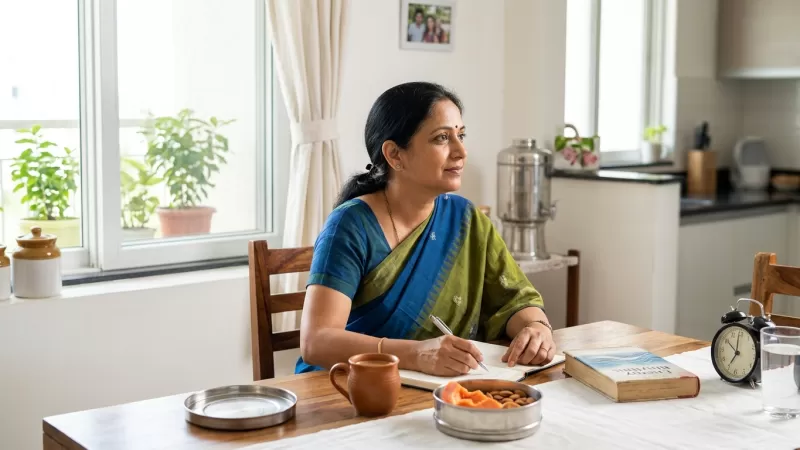
Many Indian adults wake up feeling as if they never really slept. The ceiling fan hums, the morning birds call, and yet, there’s a heaviness — like you’re starting the day already two steps behind. After finishing a rushed breakfast or maybe just a cup of chai, the day is off and running. Quietly, daily wellness habits for tired Indian adults become more about survival than self-care: a quick glass of water, a skipped stretch, promises made to oneself that maybe tomorrow will be different.
In most Indian homes, the tiredness isn’t from a single, dramatic event. It’s the slow, steady drain of many small habits — or missing habits — that add up. Hydration gets lost between back-to-back meetings, sleep is interrupted by late-night phone scrolling or family needs, movement is often limited to chores, and the mind rarely finds real rest. These days, the question isn’t “Why am I tired?” but “How do I keep going when I feel drained every single day?”
Why Tiredness Feels So Normal in Indian Homes
Chronic low energy is so familiar that many adults stop noticing it. In joint families, elders wake before sunrise to start the day’s work, while younger adults juggle office calls, tiffin packing, and school runs. Even in nuclear setups, daily routines are packed from the moment the geyser is switched on until the last light is turned off. Over time, this non-stop rhythm becomes the new normal.
In Indian cities, it’s common to see working professionals return home late, eat dinner at 10 pm, and squeeze in chores before bed. On weekends, instead of rest, there’s often a long list of errands: grocery shopping at the sabzi mandi, family visits, and school projects. The tricky part is, nothing seems dramatic enough to blame. It’s not just one sleepless night or a particularly hard week — it’s a constant, low-level tiredness that becomes part of daily life. Many people quietly accept this as the price of being a responsible adult.
The Real Reasons Energy Drains in Indian Adults
This steady exhaustion has less to do with dramatic health problems and more to do with what the body and mind quietly miss, day after day. Nutritionists working with Indian families often find that tired adults usually miss out on basic hydration, quality sleep, movement outside of chores, and moments of genuine emotional rest.
Let’s start with hydration. In many homes, chai, coffee, or milk is the drink of choice from morning till evening. Actual water consumption tends to be low — especially during busy spells or when the weather is pleasant and thirst is less obvious. By evening, a headache or sluggishness can sneak up without warning.
Sleep is another puzzle. Many adults go to bed late, thanks to late dinners, catching up on shows, or simply waiting for the house to quiet down. Even after eight hours in bed, the sleep isn’t always refreshing — interrupted by heat, mosquitoes, or the mind running through tomorrow’s tasks.
Physical movement often means household chores: sweeping, cooking, carrying groceries, or chasing after children. While these tasks keep you on your feet, they rarely give the body the stretch or variety it needs. Sitting for long periods — at the office, in traffic, or during family time — leaves muscles stiff and energy reserves low.
Then there’s the weight of unspoken worries: family concerns, finances, health anxieties, or the pressure to keep everything running smoothly. These often stay tucked away, but the body still feels their weight. The catch is, most adults don’t see these as reasons for tiredness — after all, everyone is managing something.
Clues That Daily Habits Are Draining Your Energy
- Waking up tired, even after a full night’s sleep: You remember going to bed on time, but still feel groggy or heavy in the morning.
- Relying on caffeine or sugar to get through the day: That extra cup of chai or a sweet treat becomes the only way to push through afternoon meetings or chores.
- Short temper or irritability over small things: When energy is low, patience runs thin — leading to snapping at family or feeling overwhelmed by normal requests.
- Body aches or heaviness, especially in the evenings: Shoulders, back, or legs feel heavy, and you find yourself longing to just sit — but even rest doesn’t always help.
- Regular forgetfulness or brain fog: Simple things slip your mind, or you find yourself zoning out during conversations.
Daily Wellness Habits Tired Indian Adults Can Start With
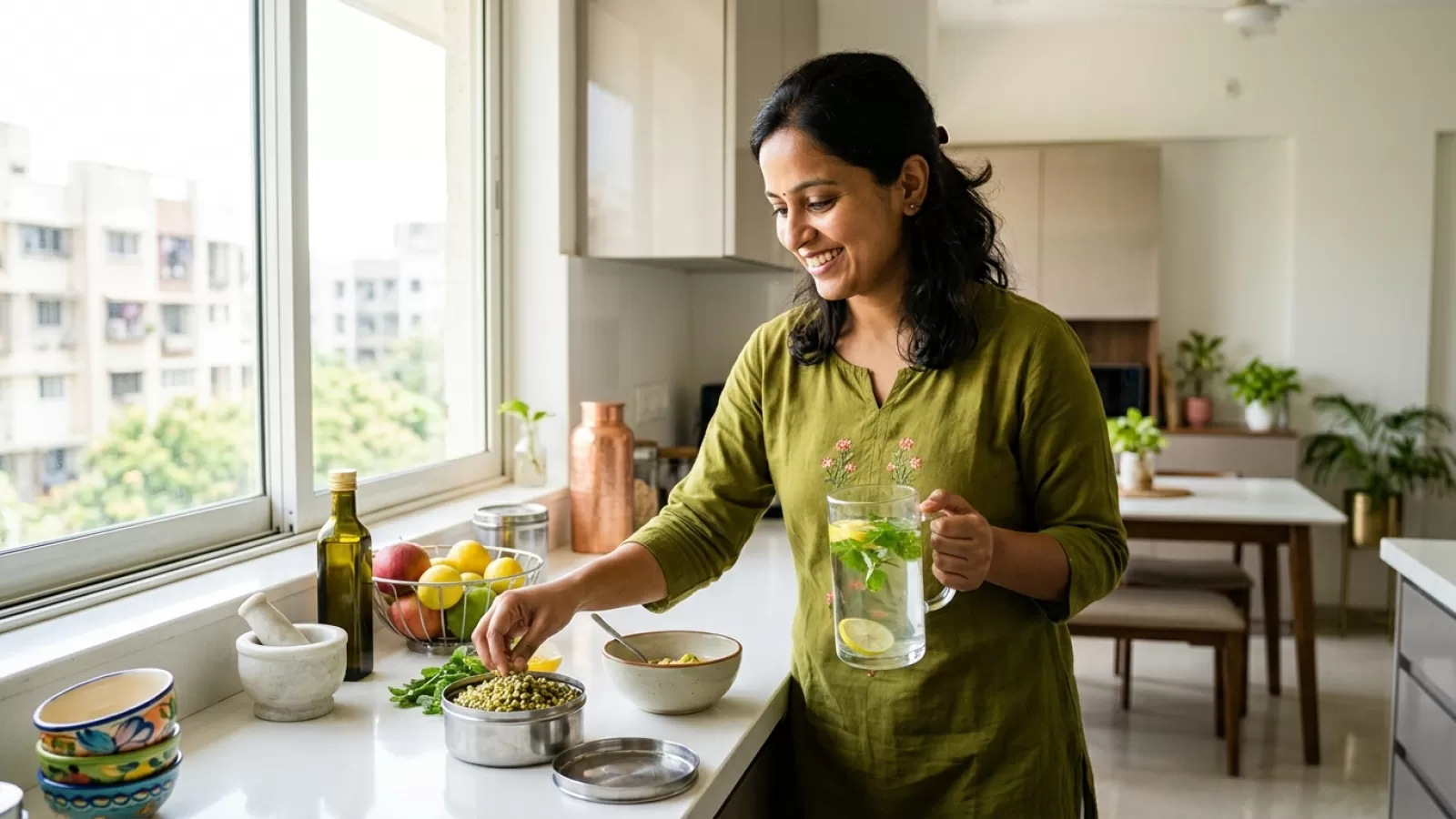
- Drink water with every meal, not just chai: Keep a steel glass at the table. In many homes, this small ritual makes a big difference over time. During hot afternoons, try nimbu paani or plain water before reaching for another cup of tea.
- Make movement part of your routine, not just chores: Ten minutes of stretching before bath, or a short walk after dinner, can help. Many families in Indian cities have quietly discovered that a gentle evening stroll — even inside the apartment complex — makes sleep deeper and moods lighter.
- Eat simple, regular meals: Dal, roti, sabzi, and dahi often provide more steady energy than takeout or heavy, oily foods. Poha, upma, and khichdi are easy on the stomach and give a slow, lasting release of energy. Try not to skip breakfast, even if it’s just a banana or a handful of makhana.
- Create a small wind-down ritual at night: After dinner, dim the lights, avoid screens for 20 minutes, or listen to soft music. This helps signal to your body that it’s time to rest. Many adults find that reading a few pages of a book or massaging their feet with coconut oil helps them sleep more deeply.
- Share your mental load — even in small ways: Talk to a family member, write down your top worries, or set aside five minutes to breathe quietly. It may not solve everything, but it does lighten the invisible load that builds up.
How Chronic Tiredness Shows Up in Indian Daily Life
On mornings when everything runs late, you might notice small signs: the pressure cooker’s whistle feels shriller, tempers are shorter, and the thought of the day ahead is already exhausting. In a Bengaluru apartment, someone finishes their third cup of coffee by 11am, shifting between video calls and WhatsApp updates from family. Elders in the house nap in the afternoon, but wake up feeling just as tired, while the younger ones scroll through reels to distract themselves from a nagging sense of fatigue.
After long workdays, dinner often happens in front of the TV, with everyone too tired to talk. Some families quietly decide to keep the dinner simple — dal chawal, leftover sabzi, a bowl of curd — just to save energy for the next day. In many homes, people promise themselves an early night, only to find the hours slipping away as chores or worries stretch into late evening. Tiredness, in this way, becomes a routine that’s hard to break — until you notice it’s showing up everywhere, from your mood to your memory.
When Chronic Tiredness Needs a Doctor’s Attention
Most tiredness in Indian adults does come down to daily wellness habits, but sometimes, it’s more than that. If you notice that your exhaustion is getting worse, no matter what you try, or if it comes with other symptoms like unexplained weight loss, ongoing pain, or fevers, it’s wise to check with a doctor. Especially if tiredness is affecting your ability to work, care for your family, or enjoy things you used to like, don’t brush it off. Medical causes can be subtle, and it’s always okay to ask for help.
Common Questions
If you’re feeling chronically tired, you’re not alone — this feeling is quietly familiar in all kinds of Indian homes. It’s natural to wonder if small changes can really help. Let’s look at some common questions about daily wellness habits for tired Indian adults, with a focus on what actually fits into Indian routines.
What are the daily wellness habits that most reliably improve chronic low energy and tiredness in Indian adults?
Simple habits go a long way. Drinking water with meals, eating a balanced breakfast (like poha or idli), getting up to stretch every couple of hours, and switching off screens before bed are all realistic for most Indian homes. Many people find that even a small evening walk — alone or with family — can shift the day’s tiredness. The key is not to try everything at once, but to start with one or two changes and see how your energy responds over a week or two.
How do you determine which of the many possible causes of tiredness is most significant in your specific case?
Often, it helps to track your days for a week. Notice when you feel most drained — after late nights, on days with little water, or when skipping breakfast. In one Mumbai home, a working adult realized their worst fatigue came after days of back-to-back meetings with no real lunch break. Looking at patterns helps you spot the habits that matter most for you, so you can start with the easiest fix.
Is it possible for an Indian adult to genuinely increase their daily energy level through lifestyle changes alone?
In many cases, yes. Many families have quietly found that adding water, steady meals, and short breaks for movement can noticeably improve daily energy. One homemaker found that switching from only chai to a mix of chai and plain water made afternoons easier. That said, lifestyle changes may not solve everything — but they can make a real difference in how light or heavy your day feels.
What is the relationship between constant tiredness in Indian adults and the quality of sleep, food, hydration, and movement?
These habits are all linked. Poor sleep makes you crave more sugar and caffeine, which can lead to energy crashes. Low hydration leaves you feeling foggy and achy. Skipping meals or eating heavy, oily foods can make afternoons sluggish. Without movement, the body feels stiff and the mind dull. In many homes, improving even one of these areas often starts a ripple effect, making other changes easier.
When does chronic tiredness in an Indian adult indicate something beyond lifestyle that needs medical investigation?
If tiredness is getting worse, lasts for many weeks, or comes with other symptoms (like fevers, persistent pain, or mood changes), it’s wise to check with a doctor. For example, if someone in a Pune family notices they are sleeping well, eating okay, but still feel too tired to climb stairs or play with their children, it might be time for a check-up. Sometimes, what seems like a lifestyle issue can be something medical — and it’s always better to be sure.