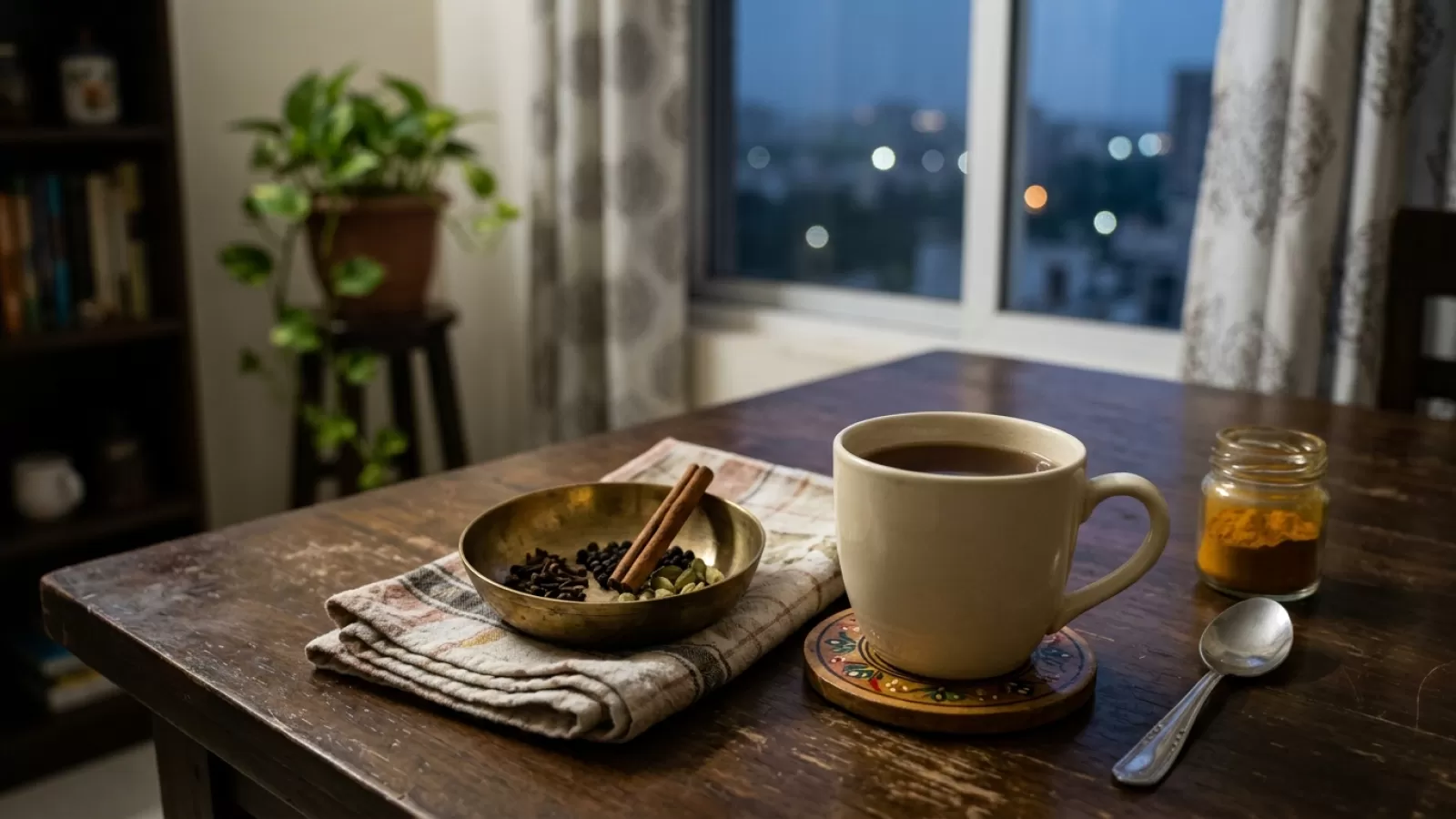
Some evenings in Indian homes just seem to drift by. There’s dinner bubbling quietly, maybe the TV murmuring in the background, and you can feel the day finally slowing down. Not every evening is like this, of course; there are nights full of schoolwork, WhatsApp calls, or last-minute office emails. But when the pace softens, it’s a gentle cue for your body and mind to start winding down. These slower evenings can be a real gift—if you use them to nudge yourself towards better rest and small bits of wellness.
Recognising the Quiet Cues of Evening
It’s easy to miss the signs that your body is ready to slow down, especially in busy households. Still, you might notice that after the sun sets, the sounds in the house change. Pressure cooker whistles give way to softer kitchen noises, and people start moving a little slower. The mind, too, sometimes feels heavy, not in a bad way, but as if it’s asking for permission to rest.
In many families, this is the time when slippers come off, fans run a little higher, and people lean back on sofas. Your own cues might be different—a yawn, a little stiffness in the shoulders, or just that urge to sit with a cup of tea and do nothing much. These aren’t problems to solve; they’re gentle reminders that it’s okay to let the day wind down.
The tricky part is listening to these signals and not pushing through them with more screen time or chores. If you can, try to notice these moments, however small. They’re often the best times to begin simple wellness habits right at home.
Light Movements and Stretches for Resting Bodies
After a day of sitting at a desk, standing in the kitchen, or running around after children, the body can become surprisingly stiff by evening. But these slow evenings aren’t meant for aggressive exercise. Instead, gentle movements can help loosen up tension and prepare you for restful sleep.
Many people in India quietly do their own little stretches—touching toes, shoulder rolls, or just pacing on the balcony. There’s no need for yoga mats or fancy routines. The idea is to shake off the day’s tightness without stressing the body.
- Stretch arms overhead and take a few slow breaths.
- Circle the wrists and ankles, especially if you’ve been typing or sitting for hours.
- Try slow neck rolls to ease out any kinks.
- For those comfortable, sitting cross-legged on the floor for a few minutes can feel grounding.
If your knees or back don’t like certain movements, skip them. It’s about comfort, not performance.
Creating a Calming Atmosphere at Home
The environment you spend your evenings in can quietly guide your mood. Harsh tube lights, loud noises, and clutter can keep your mind alert, making it harder to relax. On the other hand, a softer, calmer setting helps your body know it’s time to wind down.
In many Indian homes, people draw the curtains, dim the lights, and put away work things after sunset. Sometimes it’s just turning on a yellow bulb instead of white, or lighting a diya for a few minutes. The scent of dinner—dal, fresh rotis, or a simple sabzi—can itself feel comforting.
- Lower the volume of the TV or choose gentler music after dinner.
- Clear off tables and fold away laundry, even if it’s just one corner.
- Let air flow by opening a window or switching on the fan for a bit.
Small changes like these often make evenings feel softer, even if you’re not consciously thinking about it.
Gentle Evening Meals: Lighter and Familiar
Most people have heard that eating heavy, spicy, or oily food late at night can make sleep harder. Still, it’s common in many homes to have the main meal at dinner, especially when families eat together. There’s no need to overhaul your diet, but on slower evenings, a lighter, familiar meal can help your body settle.
Think of khichdi, simple dal-chawal, or phulkas with sabzi. These are foods our bodies recognise and handle well. If you’re used to a late or heavy dinner, just reducing the portion or skipping extra fried items can sometimes help.
- Include more vegetables and less oil when possible.
- Avoid strong tea or coffee right before bed if you notice it keeps you awake.
- If you feel hungry later, a small bowl of curd or fruit can be enough.
No need to be strict. It’s about comfort and what feels right for your family.
Quiet Activities: Soothing the Mind Without Screens
Evenings are often when people reach for their phones, catch up on TV serials, or scroll through social media. It’s understandable—after a long day, you want to relax. But too much screen time, especially with loud or dramatic content, can make it harder to sleep or even leave you feeling more restless.
Some families have found small, screen-free routines that bring calm. Maybe it’s listening to old songs on the radio, reading a book, or simply chatting about the day. You don’t have to fill every minute, but gentle activities can quietly signal to your mind that the day is ending.
- Look through old family albums or photo folders.
- Water the plants or tidy up the balcony.
- Try some easy knitting, drawing, or sudoku puzzles.
- If you enjoy spiritual practices, a short prayer or meditation can also help.
It’s not about avoiding screens completely. Just a little less blue light and noise can make a surprising difference on some evenings.
Preparing for Rest: Small Steps Before Bed
When the evening is slow, it’s tempting to stay up late just because you can. But you’ve probably noticed that the best sleep often comes when you follow small routines—nothing fancy, just habits that help your body know it’s bedtime.
In many households, this means changing into nightclothes, brushing teeth, or making tomorrow’s to-do list. Some people keep a tumbler of water by the bed or switch off the main lights before entering the bedroom. These cues, repeated night after night, slowly train your body to expect rest.
- Wash your face or feet before bed, especially during hot summer nights.
- Switch off harsh lights and use a small lamp or nightlight.
- Let the phone charge outside the bedroom if possible.
These days, it’s easy to get distracted by late-night messages or shows. Here’s the catch: even small changes in your routine can help you unwind better, without needing any strict rules.
Handling Worries and Overthinking at the End of the Day
It’s common to feel your mind racing once things quiet down. Thoughts about work, family, money, or even small household matters can keep circling. Many families quietly deal with this, especially when life feels uncertain or overwhelming.
One thing that can help is simply acknowledging these worries, instead of fighting them. You might find it useful to write down a few thoughts in a diary, or share them with someone at home. Sometimes, just saying them out loud makes them feel lighter.
Some gentle ideas that help:
- Jot down tomorrow’s important tasks, so they don’t sit in your mind.
- Breathe deeply for a few minutes and notice how your chest rises and falls.
- Remind yourself that not everything needs to be solved tonight.
Of course, some nights will still feel restless. That’s normal. The aim is not to force calm, but to allow space for your worries without letting them take over your evening.
Making Room for Flexibility and Family Needs
Every home is different. Some evenings are peaceful, and others are filled with unexpected guests, children’s homework, or last-minute work calls. These gentle wellness habits aren’t about perfection, but about finding small ways to support yourself and your family, even when things aren’t ideal.
If you live in a joint family, evenings might be noisier, with more people and conversations. In smaller households, it might be quiet but sometimes lonely. Adjust these routines to fit your life—maybe that means taking five minutes alone in the balcony, or just sharing a cup of warm milk with someone before bed.
The pace of modern Indian life can make slow evenings feel rare. But when they do come, even a little attention to your body, your surroundings, and your meals can make a quiet difference.
Because sometimes, that’s all you need. A little quiet care. Nothing more, nothing less.