On a humid evening in June, a working professional might come home after a long commute through Bengaluru traffic. The TV is on, the pressure cooker whistles, and there’s a faint smell of chai and fried onions. Yet, even as everyone goes about their routines, there’s a quiet feeling of being present in body but absent in spirit. These days, daily steadiness habits Indian adults try to build often get lost in the shuffle of work calls, late-night emails, and the endless household to-do list.
In many Indian homes, the signs of feeling disconnected from home life India tend to grow slowly. There is no dramatic argument or single event. It’s just that, after weeks or months, you realise you’re going through the motions – making rotis, checking homework, folding laundry – but it all feels a bit distant, as if you’re watching your own life from the outside. The reconnection that helps isn’t grand; it’s a handful of small, steady habits that bring you back, little by little, to genuine presence at home India.
Why Disconnection Feels So Familiar in Indian Homes
For many adults, especially in Indian families, being physically present does not always mean being emotionally connected. This kind of disconnection isn’t rare. It tends to develop quietly, often during periods of overwork, long illness, or ongoing family tension.
Joint families, for example, can be bustling and noisy, yet people can feel alone in the crowd. Homemakers often keep the household running so effectively that nobody notices how emotionally distant they feel. Working professionals, especially those in WFH setups or on long commutes, might be home every evening but mentally exhausted, scrolling through their phones or zoning out in front of the TV. Seniors, too, sometimes experience this when their routines shrink and the household moves at a different pace than their own.
There’s also the expectation in Indian homes to manage everything smoothly, without drawing attention to your struggles. People rarely say, “I feel disconnected,” because the family routine continues – dal is cooked, school uniforms are ironed, dahi is set. Yet under the surface, you might feel like you’re just passing through the day, not really living it.
Everyday Reasons Behind Emotional Distance at Home
Disconnection from home life in India usually builds up over time, not overnight. Several familiar patterns tend to nudge adults into this state.
Chronic overwork is a big one. It’s common for professionals to log extra hours, especially in IT and banking jobs, often bringing work home or staying available late into the night. When you’re always thinking about deadlines and to-do lists, it’s easy to miss the small family moments that anchor you.
Family tension is another. When there’s unresolved conflict – maybe about finances, children’s studies, or care for elders – people sometimes withdraw emotionally, even if they keep doing all their daily tasks. In some joint families, the pressure to avoid open conflict means feelings get buried, and disconnection grows quietly.
Health issues, especially after a long illness, can leave a person feeling like a bystander in their own home. You might be present, but the rhythm of the household goes on without you, and it’s hard to re-enter fully.
Screen time is a newer culprit. Many families in Indian cities have quietly discovered that everyone ends up in separate rooms with their own devices – one person on Netflix, another on a work call, someone else on Instagram. The house is full, but people are worlds apart.
Psychologists who counsel Indian families often find that feeling disconnected from home life in India is rarely about not loving your family – it’s more about mental overload, emotional fatigue, and the slow drift of habits that takes you away from day-to-day presence at home India.
Clues You’re Moving Through Home Life On Autopilot
- Going silent during family time: You’re there for dinner or chai, but barely speak, letting conversations pass you by.
- Forgetting small details: Missing birthdays, school events, or what someone in the family shared with you last week.
- Feeling invisible or unnoticed: Even when contributing a lot at home, there’s an underlying sense that your presence doesn’t matter much.
- Resentment bubbling up: Small household requests or interruptions start to feel irritating, even if they never used to.
- No real memory of the week: Looking back, it’s hard to recall what you actually did at home, aside from basic chores.
These signs don’t always show up all at once. Sometimes, it’s just a slow fading of interest, or a sense of waiting for the day to end.
Small, Steady Habits That Rebuild Connection at Home
- The five-minute tea ritual: In many homes, a quiet cup of chai with a family member – no phones, just two people and their thoughts – can slowly bring presence back into the evening routine. Some find that even this brief pause, shared at the kitchen counter or balcony, gently reopens small conversations.
- Touching household objects with intention: When you fold clothes, stir dal, or water the tulsi plant, notice the temperature and texture. This simple shift grounds you in the present, especially when your mind is racing with outside worries.
- One shared task daily: Many families have discovered that prepping poha together in the morning or shelling peas in the evening brings a quiet sense of togetherness, even if nobody speaks much. It’s not about the conversation, but the act of creating something side by side.
- Micro-breaks for presence at home India: After finishing a work call or before starting dinner, take a minute to close your eyes and listen to the sounds of home – the ceiling fan, the distant honk of traffic, someone humming in another room. This habit, repeated daily, gently rewires your attention back to your space.
- Family check-in, not a meeting: Instead of a formal chat, ask one simple question at dinner (“What made you smile today?” or “What’s one thing you want to do this weekend?”) and let people answer or not. It’s a low-pressure way to rebuild connection Indian family dynamics sometimes lack.
Not every habit will fit every family, especially with different work shifts and routines. The key is picking one or two that feel doable, not overwhelming.
How Disconnection and Reconnection Happen in Ordinary Indian Routines
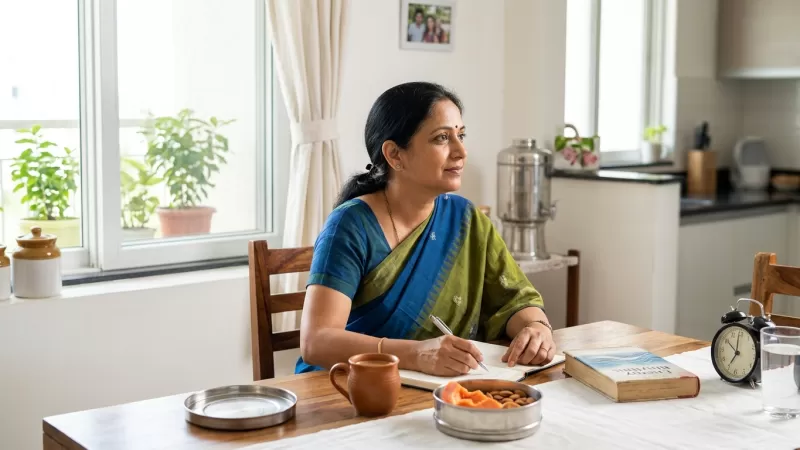
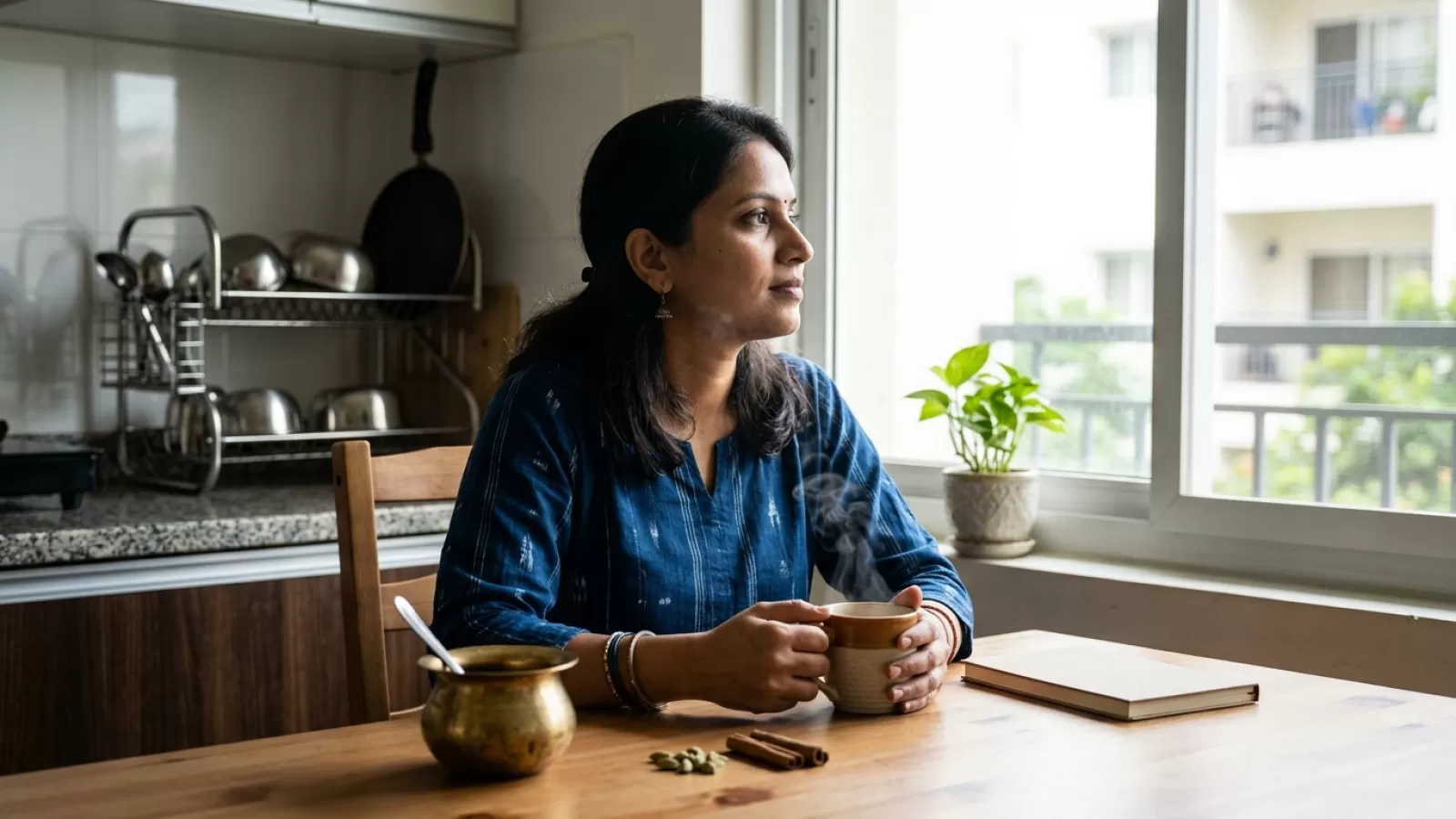
Here is a catch: disconnection rarely announces itself. It hides inside everyday moments. A homemaker may finish all her chores before 8am, get everyone ready, and then sit at the table with her tea, staring out the window, feeling numb. Her family sees her as the dependable centre of the home, but she feels absent inside.
A young parent working from a bedroom in Hyderabad might slip into a pattern of handling office calls through dinner, promising to play with their child after “just ten more minutes.” Weeks pass, and suddenly a child asks, “You never listen anymore,” breaking the illusion of routine harmony.
In many joint families, an elderly parent may watch the house bustle around them, feeling like a guest. Their advice is politely ignored, and they drift out of conversations, even as everyone else assumes their presence is enough.
Reconnection, when it comes, usually starts with a small change. Maybe someone puts away their phone at dinner one night, or a teenager asks their grandmother to help with a recipe. These are not dramatic shifts – just a gentle nudge back to steady, everyday presence at home India.
When a Little Extra Help Might Be Needed
Most of the time, daily steadiness habits Indian adults build are enough to slowly bring back a sense of home. But if you find that the feeling disconnected from home life India is lasting for months, or you’re unable to enjoy any part of home life, it might help to talk to someone outside the family. A trusted friend, a counsellor, or even a community elder can offer a listening ear. If sadness, irritability, or withdrawal are getting stronger and affecting your health or work, it’s worth seeking support. Sometimes, just sharing your feelings aloud helps lighten the load.
Common Questions
Many Indian adults quietly wonder if their experience of feeling disconnected is normal, or a sign that something is seriously wrong. These questions come up in homes across cities and small towns, whether during late-night chai or a quiet moment on the balcony. Let’s look at some practical answers, grounded in the rhythms of real Indian households.
Why do Indian adults sometimes feel emotionally disconnected from their home life even when they are physically present every day?
In many Indian households, adults juggle work, chores, family expectations, and social obligations. Over time, the mental load gets heavy. For example, a homemaker in a joint family may be surrounded by relatives but feel unnoticed, as her efforts blend into the background. Similarly, a working professional might come home late, tired, and too drained to truly engage. Emotional disconnection is often less about love and more about fatigue, routine, and the pressure to keep everything running smoothly without pause.
What are the most effective daily practices for rebuilding a genuine sense of presence and connection at home?
Small, consistent actions help the most. Many families find that sharing a cup of chai without screens, preparing breakfast together, or even doing a small chore side by side can gently rebuild connection. For instance, prepping vegetables with a family member or watering plants together becomes a moment of shared presence. It’s these daily steadiness habits Indian adults can actually stick with – not grand gestures – that slowly bring back warmth and attention to home life.
How do you reconnect with family members you live with but feel distant from without making it a formal or awkward process?
It’s often the informal, everyday interactions that work best. In a typical Indian home, you could start by asking a family member to help with a simple task – like making rotis or setting the table. Some families discover that casual questions over dinner, such as “What was the funniest thing that happened today?” open doors without feeling forced. Small acts, like sharing fruit in the evening or watching the news together, create opportunities to reconnect naturally, without big conversations.
Is disconnection from home life in Indian adults always a sign that something is wrong in the relationship or is it sometimes just a consequence of overextension?
Most of the time, it’s a matter of being stretched too thin. Many adults in Indian families take on more than they can handle – balancing jobs, children, elder care, and daily chores. Overextension leads to autopilot living, where people do what’s needed but feel distant. This doesn’t always mean there’s a major problem in the relationship. Sometimes, a period of rest, shared laughter, or a few new daily steadiness habits Indian adults can manage is all it takes to feel connected again.
When does persistent disconnection from home life in an Indian adult become something worth discussing with a counsellor?
If you or someone in your family feels numb, sad, or irritable for weeks at a stretch, or if daily life feels joyless and empty, it may be time to seek outside help. For example, if a homemaker finds herself unable to enjoy things she once loved – like gardening or chatting with neighbours – or if a working adult dreads coming home, a counsellor can help explore what’s behind these feelings. It’s not about blame; it’s about finding support before things get heavier.