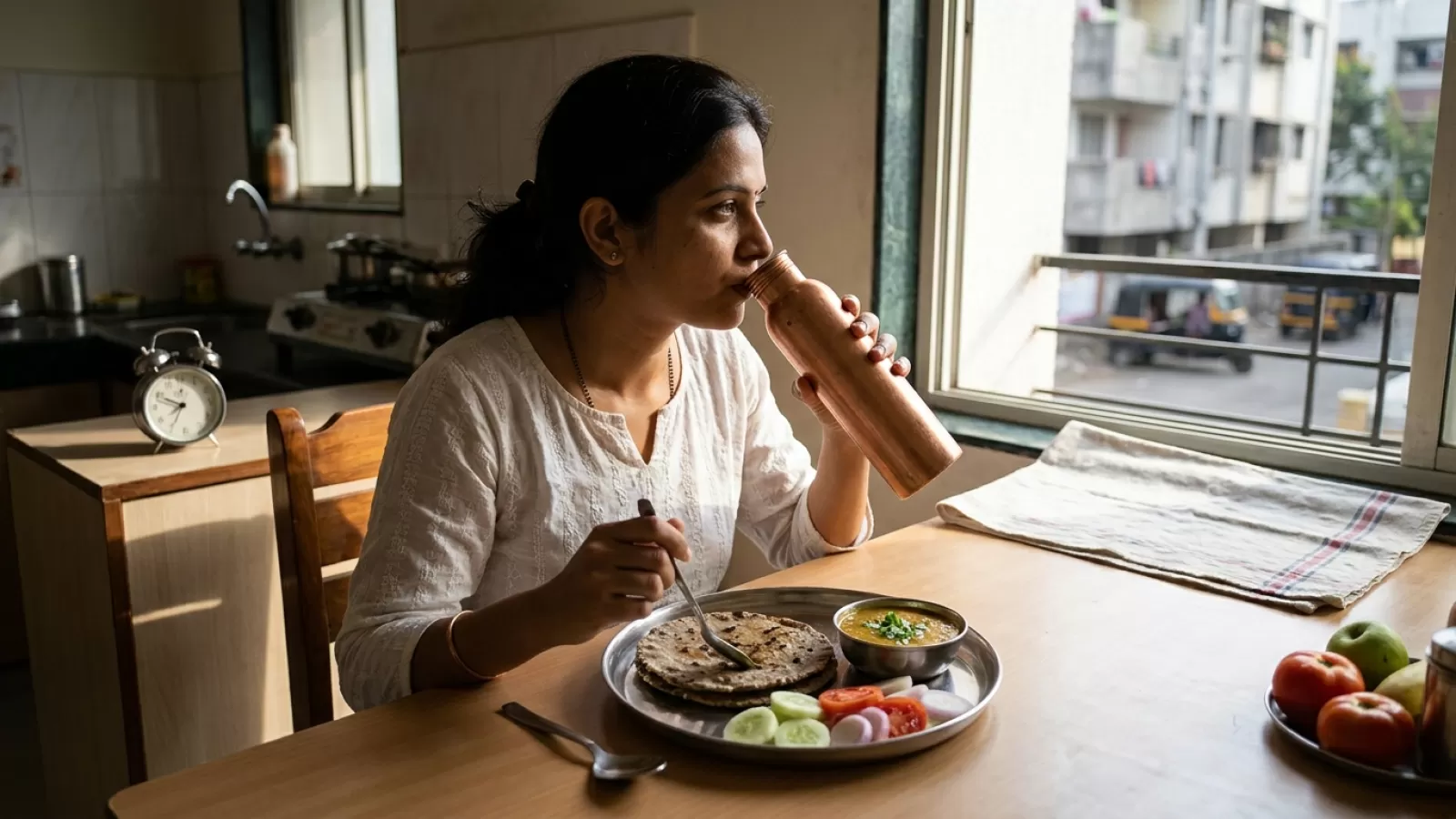
In many Indian homes, a tired adult gets up with the alarm, stretches, and wonders why a full night’s sleep hasn’t made them feel fresh. Most of us have tried to stop constant fatigue in India by sleeping longer or taking an extra cup of chai, but the feeling just lingers. Even after catching up on rest, the heavy eyes and sluggish mornings seem to return, day after day.
It’s a quiet struggle. The homemaker who moves from poha to laundry to lunch, barely sitting down. The software engineer who gets seven hours of sleep but still yawns through morning calls. The expectation is to just manage, but the truth is: stopping constant fatigue in India often means looking at small, daily habits that quietly drain energy, not just going to bed earlier.
Why Fatigue Feels Inevitable for Many Indian Adults
For most Indian adults, tiredness is almost a background noise. The long commutes, late-night family WhatsApp pings, and packed schedules leave little time for real rest. Meals can get rushed or skipped, especially in the rush of busy mornings when everyone’s trying to get out the door. Even weekends, often filled with social commitments or housework, don’t always bring the downtime people hope for.
In many households, there’s an unspoken rule: keep going, no matter how drained you feel. Power cuts disrupt sleep, neighbours’ late-night celebrations spill into midnight, and summer heat refuses to let the body cool down. Chai or coffee becomes a crutch, not a treat. Many adults start believing that this is just how adulthood feels—tired, always. But stopping constant fatigue in India isn’t about accepting this as normal. It’s about noticing which habits are quietly making things harder.
The Real Reasons Behind Persistent Tiredness
So, why does this tiredness hang on, even when you technically get enough sleep? A big reason is that the daily habits for tired Indian adults often add up to more exhaustion, not less. People wake up and immediately reach for their phones, scrolling through news or family chats, which jolts the mind before the body is ready. Many skip breakfast, or grab only a cup of chai and a biscuit—quick, but not nourishing.
Lunch, for many, is heavy—rice, dal, and sabzi—followed by sluggishness. Afternoon energy dips are answered by more chai or coffee, but without much movement. In the evenings, screens take over: TV, YouTube, or endless reels. These habits don’t give the mind or body a real break. Mental load—remembering a hundred small household tasks—also weighs people down.
Nutritionists who work with Indian families often find that the most common chronic fatigue habits in India are skipping protein at breakfast, eating late at night, and not having a clear evening wind-down routine. All of these add up.
There’s one more thing: for many, rest has become ‘inactive time’—scrolling, sitting, or watching, not actually relaxing. The body rarely gets a real pause, and so, the fatigue deepens.
Common Clues That Habits, Not Sleep, Are Draining You
- Waking up tired, even after 7-8 hours of sleep: You might technically get enough rest, but still feel heavy and foggy in the morning. This is often the first sign.
- Needing chai or coffee to ‘function’: Many adults feel they can’t start the day—or keep going—without caffeine. If you get headaches or irritability without it, that’s a clue.
- Craving sugar or salty snacks in the afternoon: When lunch is heavy or low on protein, energy dips hard in the afternoon. Reaching for biscuits, namkeen, or mithai is a common sign.
- Dragging through daily chores: If folding laundry, chopping vegetables, or even walking up stairs feels harder than it should, your energy reserves may be low.
- Struggling to wind down at night: Lying awake thinking of tomorrow’s to-dos, or scrolling late into the night, suggests your mind isn’t getting its break either.
Small Habit Tweaks That Make a Real Difference
- Start your morning with real food: Instead of only chai, try adding a small bowl of dahi, fruit, or a boiled egg. Even soaked nuts or a serving of poha with peanuts gives a better start.
- Stand up and stretch every hour: Especially for those working from home or in offices, set a reminder to stand, stretch, or walk for two minutes. Movement wakes up the body in a way coffee can’t.
- Eat an earlier, lighter dinner: In many homes, dinner happens post 9pm. Try shifting it earlier, and keep it simple—dal, roti, sabzi, a side of dahi. This helps both digestion and sleep.
- Switch off screens 30 minutes before bed: Instead, listen to music, chat with family, or read. The mind needs quiet time to signal sleep, not just lying in bed with the phone.
- Say no, gently, to some social obligations: It’s common to feel pressured into late-night calls or weekend visits. Protecting your downtime, even once a week, can make a big difference.
Some of these changes sound simple, but sticking to even one or two can start to stop constant fatigue in India from becoming a permanent way of life.
Fatigue in Real Indian Routines: Where It Sneaks In
During humid summers, many Indian families stay up later, hoping the air cools down before sleep. Dinner gets pushed to 10pm, then people scroll on their phones to relax. The next day, everyone is groggy, but the cycle repeats. On weekends, the plan is to rest, but social visits, errands, and kids’ activities fill up the day.
A working professional commuting in Bengaluru might spend two hours in traffic, barely getting time for breakfast or evening walks. A homemaker in a joint family often juggles everyone’s needs—tea for elders, tiffin for schoolkids, lunch for working adults—leaving little time to rest herself. The fatigue is not dramatic, but always there, woven into daily life.
Many families have quietly discovered that the only way to stop constant fatigue in India is to protect small pockets of true rest, wherever they can find them. Sometimes it’s as simple as shutting the kitchen door for ten minutes and breathing, or choosing a lighter dinner even if everyone else wants parathas.
A Kitchen in Nagpur at 6am: The Hidden Details of Tiredness
It’s just before sunrise. Ceiling fans whir, and the kitchen is already warm. A kettle whistles, the aroma of tea leaves rising. The homemaker stands at the counter, slicing onions, her eyes half-open, her mind already listing the day’s tasks—tiffin, laundry, office login, lunch, groceries. She’s slept seven hours, but her shoulders feel heavy, and her first instinct is to reach for strong chai and two glucose biscuits.
The rice cooker clicks, pressure cooker hisses, and sunlight filters in. She pauses, leans against the fridge, and closes her eyes for a moment. The tiredness isn’t from lack of sleep. It’s from the quiet, constant drain of never really pausing, always moving from one task to the next. The kettle whistles again, snapping her back. It’s a scene that plays out in kitchens across India, every morning.
When It’s Time To Seek More Help
If you’ve changed some daily habits for tired Indian adults—like eating better, moving more, and protecting rest—and still feel exhausted for weeks, it may be time to talk to a doctor. Especially if you notice unexplained weight loss, shortness of breath, or pain with the fatigue. Many things, from thyroid to low iron, can cause tiredness. Most of the time, small changes help. But if nothing shifts, a professional checkup is the next step.
Common Questions
Many Indian adults quietly wonder why fatigue seems so stubborn, and which changes can actually help. Let’s look at some of the most common questions, using examples you might recognise from your own home or routine. The answers come from real patterns in Indian families—no one-size-fits-all advice, just what tends to work for most.
Why do so many Indian adults feel constantly tired even when they are technically getting enough sleep?
In many Indian families, sleep is often disrupted by late dinners, noise, or family responsibilities. Even with seven hours in bed, real rest is rare when the mind is busy or meals are heavy late at night. Many adults also wake up for early chores or phone alarms, so their sleep gets cut short or interrupted. The result is waking up tired, even when the clock says you've had enough rest. It's not just about hours—it's about the quality of rest and daily habits that allow the body to recover.
What daily habits drain energy most invisibly in Indian adult life?
Some of the biggest energy-drainers are easy to miss: skipping breakfast, relying on chai and biscuits, eating late dinners, and not moving much during the day. Screen time late at night and constant multitasking—like managing home, kids, and work at once—also quietly add to fatigue. In many homes, adults rarely sit down for a real break, so the tiredness just builds up, unnoticed, until it feels normal.
Which small daily changes make the biggest difference to persistent fatigue in Indian adults?
Adding a real breakfast—like dahi, fruit, or poha with peanuts—often gives the body a better start. Moving for even five minutes every hour (stretching, walking to the balcony) helps more than another cup of tea. Having dinner earlier and keeping it light (dal, sabzi, roti) can improve sleep quality. Protecting some screen-free quiet time before bed also lets your mind truly rest. Over time, these small shifts usually add up to more energy.
How do you know if constant fatigue is just a lifestyle issue or something worth discussing with a doctor?
If you’ve tried changing your habits—better meals, movement, more rest—and after a few weeks nothing changes, it’s worth checking with a doctor. Also, if your fatigue comes with new symptoms like weight loss, fever, breathlessness, or pain, don’t wait. Sometimes, issues like thyroid or low iron need medical attention. Most tiredness is from daily patterns, but it’s always okay to ask for help if you’re not sure.
What is the most important single habit for Indian adults who feel chronically tired to address first?
For many, eating a real breakfast is the key habit that starts to shift energy levels. Even something small—dahi, fruit, a handful of nuts—can help break the cycle of relying on chai and sugar for energy. It sets up better choices throughout the day. If breakfast is usually skipped or just a cup of tea, try changing that first and see how your body responds over a week or two.