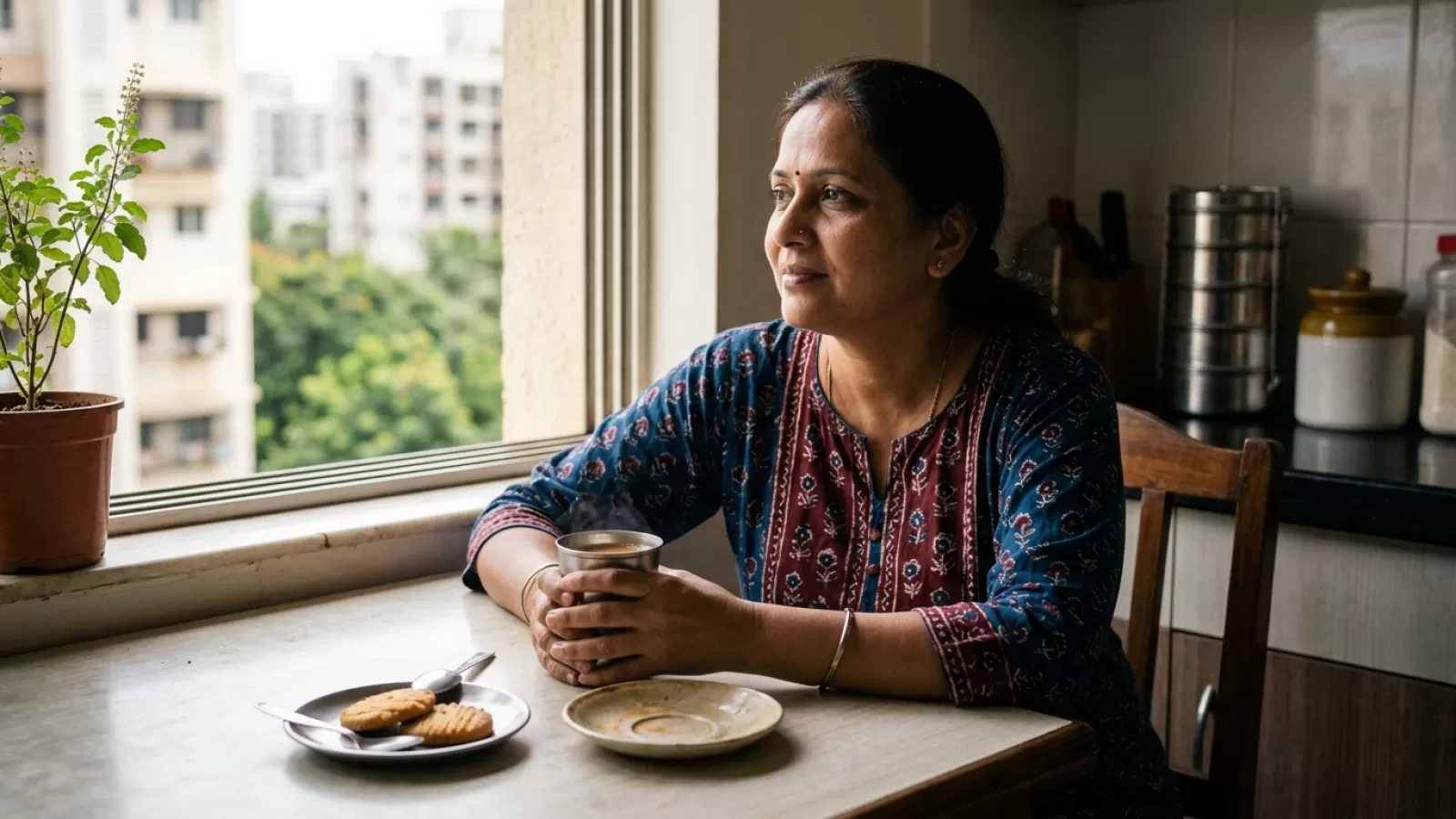
Some adults in Indian homes wake up already feeling like their body is carrying a quiet, stubborn weight. Even after a full night's sleep, there’s a heaviness in the limbs, a tiredness behind the eyes, and a sense that moving through the house—whether to make chai, pack tiffins, or just get ready—is harder than it ought to be. Daily comfort habits India tired body is not just about grand remedies, but about how small routines can noticeably shift the way you feel from morning to night.
On the rare day when you’ve had enough water, actually sat down for lunch, and maybe walked to the corner shop instead of sending someone else, that heaviness tends to lift. Strangely, it’s not massive changes, but these little moments that help the body feel lighter and more at ease.
Why Physical Heaviness Is So Common In Indian Homes
In many Indian families, feeling physically heavy and tired daily is almost a background condition. It’s so ordinary that people often accept it as a normal part of adulthood. The reasons for this are all around us: long hours sitting at work (or on a two-wheeler in city traffic), meals eaten in a rush, and the constant juggling of household and professional responsibilities. There’s also the Indian tendency to keep pushing through discomfort, rarely pausing to prioritise small daily comfort habits.
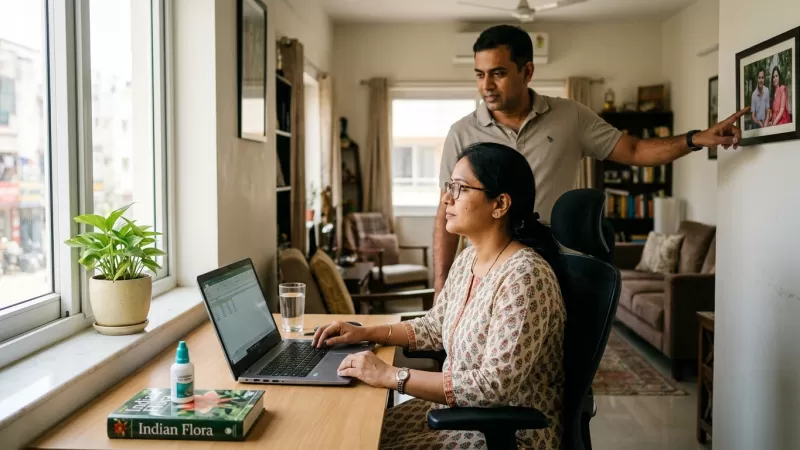
It’s not just the big things. Even the rhythm of daily life—late-night dinners, skipped breakfasts, or drinking chai instead of water—can quietly add up. During summer, the problem grows as dehydration creeps in, but the habit of reaching for water doesn’t always follow. Many adults also find themselves hunched over phones or laptops for hours, whether at a WFH desk in a joint family’s shared space, or on the sofa balancing a laptop and toddler at the same time, which can make the body feel heavy and stiff by the end of the day.
All of this means that body heaviness relief habits India are not just nice-to-have—they’re quietly essential. The good thing is, most homes already have the basics (water, a floor mat for stretching, fresh food) and what’s missing is usually a bit of attention and intention, not a fancy product or program.
Everyday Causes: Posture, Hydration, Movement, and Stress
Body heaviness for Indian adults is rarely about one big issue. It’s usually a slow build-up of things like sitting too long, not drinking enough water, and letting physical tension pile up. These days, the most common culprit is long stretches of sitting. Whether it’s office chairs, plastic dining chairs, or even the edge of the bed, most of us end up slouching, which makes muscles rigid and circulation sluggish.
Hydration is another quiet factor. Nutritionists working with Indian families often find that dehydration is a daily companion—many adults drink more chai or coffee than plain water, especially during busy work days. This alone can make you feel sluggish and heavy, especially when humidity is high and sweat is constant but water intake remains low.
Another reason is the pattern of movement. Outside of a planned walk or a trip to the market, much of the day is spent sitting—at desks, in cars, or on sofas. It’s easy to overlook, but the body’s natural lightness depends on regular, gentle movement. Even standing up to stretch between chores or walking up a flight of stairs can make a difference.
Here is the catch: mental stress in Indian homes often shows up as physical heaviness. Managing multiple roles, worrying about family, or even just the daily background anxiety of power cuts and missed deadlines tends to settle in the body. These factors, together, usually explain why Indian adults feeling heavy and tired daily is so common, even when there’s no obvious illness.
Clues You Might Be Carrying More Heaviness Than You Realise
- Waking up tired even after a full night’s sleep: If you open your eyes and already feel weighed down, it’s a sign that your daily comfort habits might need tweaking.
- Dragging yourself through routine tasks: Cooking, folding clothes, or even climbing stairs feels like hard work most days.
- Aching or stiffness in the back, shoulders, or legs: This tends to show up more in those who sit for long hours, with or without a proper chair.
- Feeling mentally foggy or irritable: Physical heaviness often drags the mind down, making small decisions or conversations feel more taxing than usual.
- Noticeable difference after a walk or proper hydration: On days when you move more or drink enough water, you feel lighter—and that contrast is a clue that the heaviness isn’t just in your head.
Small Daily Habits That Really Help
- Water before chai: Try drinking a glass of water first thing in the morning, before the first cup of chai or coffee. In many homes, this one habit alone has helped people feel lighter daily in India, especially during hot seasons.
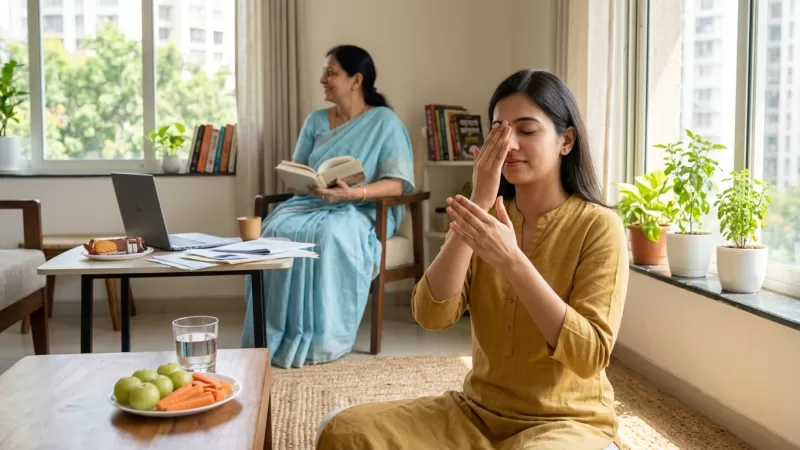
- Two minutes of stretching: A short, gentle stretch—reaching up, bending side to side, rolling the shoulders—can be done while waiting for the cooker’s first whistle. You don’t need a yoga mat or a fancy routine. Just move what feels stiff.
- Sit down to eat—even if it’s just poha or dahi: Standing meals are quick but rarely satisfying. When you sit (on the floor, on a chair, or even at the edge of the bed), you tend to eat more mindfully and let your body rest for a few moments. This is one of the classic body heaviness relief habits India families have quietly rediscovered.
- Micro-movements during chores: Fold clothes while standing, walk while talking on the phone, or do a quick sweep of the house after dinner. Fitness coaches who train working adults often find that most movement in Indian homes comes from daily tasks, not planned exercise.
- Set a water reminder: Whether it’s a steel bottle on the kitchen counter or an app on your phone, a visual cue can nudge you to sip water more often, especially on humid days.
None of these require a major routine overhaul. They just need to be slipped into the natural flow of your day. Many families in Indian cities have quietly discovered that these daily comfort habits India tired body solutions actually stick—because they fit real life.
How Heaviness and Tiredness Play Out in Indian Routines
In a typical household, mornings start before sunrise. Someone wakes up already feeling tired, but there’s no time to pause—the pressure to get school tiffins packed, elders fed, and work started is real. By lunchtime, it’s common to eat standing at the counter, scrolling through the phone, or even skipping the meal entirely if work calls run late. Hydration slips through the cracks, with chai breaks substituting water, especially on busy days.
After work, fatigue makes it tempting to sink into the sofa or bed, and movement drops further. Dinner is often late, and by the time you lie down, the body feels heavy, tense, and not quite rested—even if you’re technically finished with all your duties. On rare evenings when a walk with family or a proper sit-down meal happens, you notice the body feels more settled, lighter, and even sleep comes easier.
That said, these are not just isolated moments—they are part of a repeating pattern that can be softened with a few small, steady changes.
When It’s Time To Discuss With A Doctor
Most of the time, these feelings of heaviness and tiredness improve with better daily comfort habits. But if you notice that fatigue is getting worse, you’re losing weight without trying, or you have other symptoms like breathlessness, swelling, or persistent pain, it’s wise to consult a doctor. Sometimes, these signs point to something more than just daily routine issues. Trust your instincts—if it feels off, seek advice. A doctor can help check for underlying health problems if needed.
Common Questions
Many households notice this sense of heaviness creeping in as just a part of adult life. Still, there are ways to gently shift it. Here are some questions that often come up when families talk about how to feel lighter daily in India and what really makes a difference.
Why do so many Indian adults feel physically heavy and tired as their normal daily baseline rather than as an occasional state?
In most Indian homes, the rhythm of daily life piles on small stresses—late dinners, long commutes, back-to-back chores, and little time for rest. It’s easy to run on autopilot, ignoring the body’s signals in favour of ‘getting things done’. Over time, these habits become the norm, and feeling tired or heavy becomes the baseline instead of an exception. The lack of regular hydration and movement, paired with high expectations to manage everything, means adults rarely get the physical and mental reset needed to feel light.
What daily habits most reliably improve how the body physically feels for Indian adults with chronic heaviness?
Small, consistent actions work best: drinking water before chai, taking short stretch breaks, sitting down for at least one meal, and sneaking in extra steps during household chores. A working professional commuting in Bengaluru might notice that even a brisk 10-minute walk and a couple of extra glasses of water in the afternoon make a big difference. These habits are realistic in Indian homes and don’t require extra time or fancy equipment—just a little attention, day after day.
How much of everyday physical heaviness in Indian adults is connected to hydration, posture, and movement versus actual health conditions?
For most adults, the bulk of daily physical heaviness comes from habits—sitting too long, not drinking enough water, and letting physical tension build up. In Indian cities, it’s common for adults to go hours without moving or sipping water. That said, if the heaviness is severe, lasts for weeks, or comes with other symptoms, it’s wise to check with a doctor. But in many households, changing daily comfort habits India tired body patterns brings noticeable relief.
What is the fastest daily practice that makes a noticeable difference to how physically heavy or light an Indian adult feels?
Drinking a full glass of water first thing in the morning is the quickest, most reliable habit. Many families in Indian cities have quietly discovered that this simple act—before chai, before breakfast—helps the body feel fresher and more awake. On humid days, or after a salty meal, this habit is especially helpful. For some, a five-minute walk right after lunch also brings a sense of lightness that lasts through the afternoon.
When does persistent physical heaviness in an Indian adult become a symptom worth discussing with a doctor?
If you’ve tried the usual body heaviness relief habits India style—more water, movement, rest—and the heaviness remains, or if new symptoms appear (like swelling, shortness of breath, or unexplained pain), it’s time to reach out to a doctor. In a joint family in Lucknow, for example, when an elder suddenly found it hard to get out of bed and lost appetite, the family knew it was more than usual tiredness. Always listen to unusual changes, and don’t hesitate to ask for help.