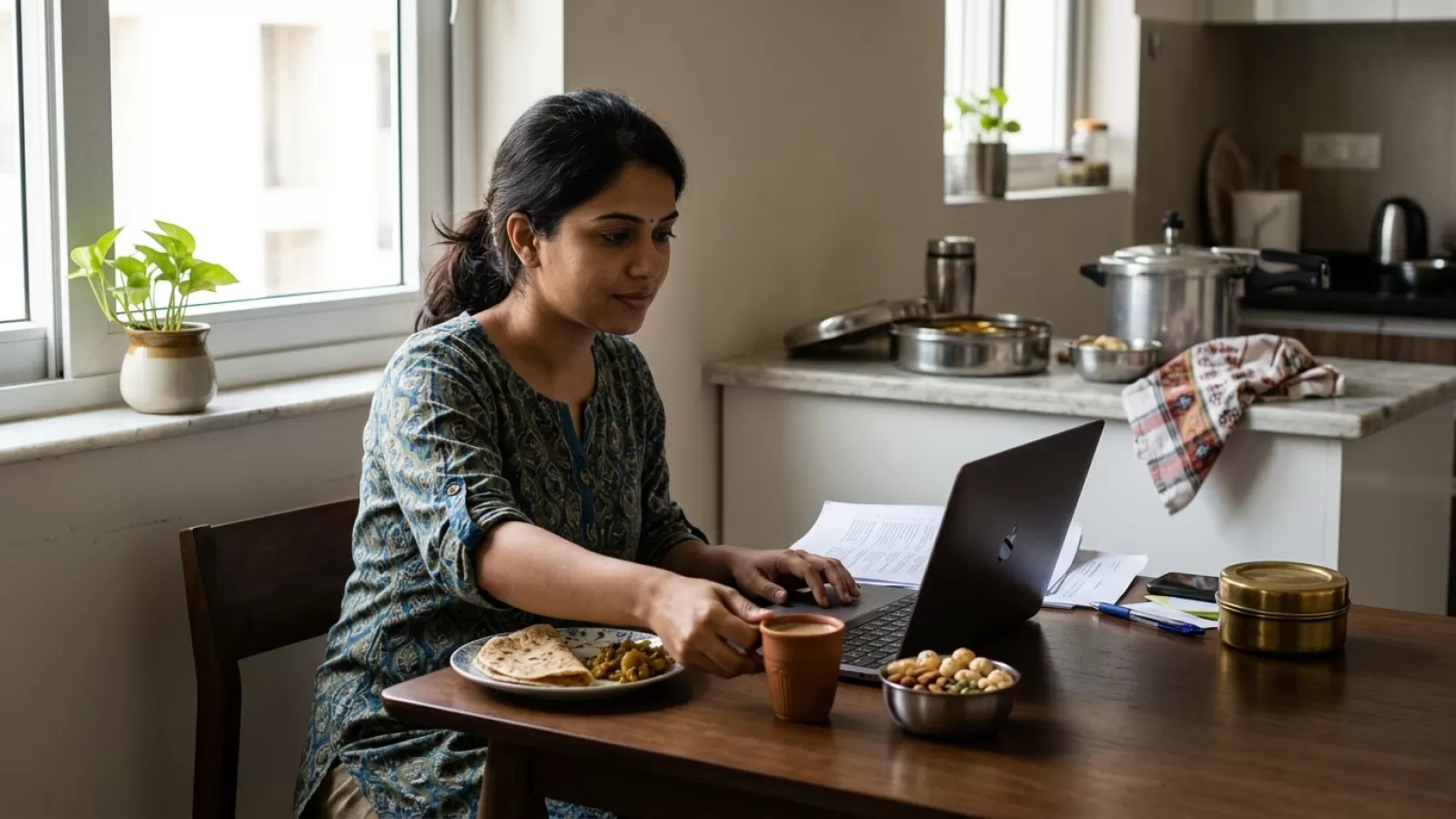
Most families in India notice it at some point: the clock strikes three or four in the afternoon, and suddenly, there’s a heavy, slow feeling. You aren’t alone if you find yourself yawning while helping with homework, struggling to focus on work-from-home meetings, or even just staring at your evening tea wondering how you’ll get through the last stretch of the day. Afternoon fatigue isn’t just a sign of getting older or being lazy—it’s more common than people admit, especially with the busy, modern routines most of us keep. Here’s a gentle guide to managing that daily crash, in a way that fits right into the familiar patterns of Indian home life.
Why Does Afternoon Fatigue Happen So Often?
Let’s be honest: mornings in most homes are a whirlwind. There’s breakfast to make, tiffins to pack, children to get ready, and often a quick clean-up before work or housework begins. By afternoon, it’s natural for energy to dip. The body’s natural rhythms tend to slow down after lunch, which is why that sleepy feeling often comes like clockwork.
After a typical Indian lunch—dal, rice, maybe a bit of sabzi—it’s common to feel drowsy. Heavy or carb-rich meals, especially if eaten quickly, can make this worse. The heat during summer months or after walking back from the market can also leave you feeling drained.
The tricky part is, even if you sleep well at night, your body’s internal clock (what science calls the circadian rhythm) naturally lowers alertness in the mid-afternoon. So, you’re not alone—this isn’t just a "you" problem. In fact, many families quietly deal with this, but rarely talk about it.
Small Shifts in Your Daily Rhythm Can Help
The good news is, you rarely need to overhaul your entire routine. Sometimes, just a couple of gentle tweaks make a surprising difference.
- Try not to skip breakfast. Even a simple one—like poha or a fruit—can help set your energy for the day.
- If possible, plan your heaviest work (mental or physical) in the morning, when energy is naturally higher.
- Avoid eating lunch too late in the day; a long gap from breakfast to lunch can make fatigue worse.
It may sound simple, but these slight shifts help your body get into a steady rhythm. And on weekends, when routines go out the window, don’t be surprised if your afternoon slump feels even worse. That’s normal too.
Choosing Rest That Actually Feels Restful
Many people think the answer to afternoon tiredness is a nap. Sometimes, that works. But here’s the catch: long naps can leave you groggy, and for some, they make falling asleep at night more difficult.
Instead, try short, gentle breaks. Even 10–15 minutes of closing your eyes, sitting quietly with a cup of chai, or just stepping onto the balcony for fresh air can help. If you’re at home, lying down with your eyes closed (without actually sleeping) sometimes gives the mind a good reset.
- Listen to a soothing song or bhajan for a few minutes.
- Splash cold water on your face and wrists.
- Look out the window—watching trees or clouds can be oddly refreshing.
Sometimes, it’s about giving yourself permission to pause, even if only for a short while. You’ll often find that a small rest, done right, feels more energizing than a long nap.
Smart Ways to Eat for Steadier Energy
Here’s something you’ve probably noticed: on days when lunch is very rich or oily, the afternoon slump is worse. Heavy foods—like creamy gravies, fried items, or extra rice—tend to pull energy down, especially in hot weather.
Consider these gentle tweaks to lunch:
- Add a simple salad or kachumber for crunch and freshness.
- Keep portions of rice or roti moderate; balance with sabzi or dal.
- Skip that extra spoon of ghee or butter if you’re already feeling sluggish.
If you feel hungry before dinner, a small snack of fruit, roasted chana, or a handful of nuts is often better than another cup of tea with biscuits. Of course, in many homes, the evening tea ritual is cherished—there’s nothing wrong with that. Just try not to pair it with heavy, sweet snacks every day.
Using Movement to Gently Wake Up
It’s tempting to just sit when you’re tired, but gentle movement can actually help. You don’t need a full workout or anything fancy.
- Try walking around your home or garden for a few minutes after lunch.
- If you’re at work, get up and stretch your arms and back.
- Some people find washing a few dishes or folding laundry surprisingly wakes them up.
Small movements encourage blood flow and signal your body that it’s not time to sleep yet. On particularly hot afternoons, even just standing by an open window or balcony for two minutes can feel like a mini-reset.
The Role of Hydration (That’s Often Overlooked)
Many folks mistake thirst for tiredness. In busy homes, it’s easy to forget to drink water while running around all day. Dehydration can make you feel sluggish, give you a headache, or make concentration harder.
Try keeping a glass or copper bottle near your main work area. During summer, adding a bit of nimbu pani or coconut water in the afternoon can help. Even in winter, when you don’t feel thirsty, sipping water regularly is a quiet energy booster.
That said, avoid too much tea or coffee in the afternoon. While they give a quick pick-me-up, they can lead to a jittery or restless feeling later, making it harder to wind down at night.
Getting Better at Recognizing Your Own Cues
Everyone’s energy pattern is a little different. Some people feel sleepy right after lunch, others around 4:30 pm. Noticing your own pattern is the first step towards managing it.
If you tend to feel most tired after certain meals, or on days when you skip your morning walk, that’s useful information. Maybe you notice that afternoons after late-night TV are always harder—again, that’s your body speaking up.
It helps to gently experiment: try moving your snack earlier, taking a walk before your tea, or adjusting your lunch content, and see what genuinely works for you. Don’t expect perfection every day—energy does rise and fall. The goal isn’t to be a machine, but to feel steady enough to enjoy your evenings, finish what you need to, and still have a bit left for yourself.
When Fatigue Feels Overwhelming
Sometimes, afternoon tiredness is more than just a slump. If you’re finding it very hard to function, or if fatigue is affecting you most days for weeks, it may be worth quietly discussing with a trusted family member or doctor. There can be many reasons, and often, getting reassurance or guidance helps.
For most people, though, gentle daily adjustments make a real difference. Remember, even small changes—like a lighter lunch, a five-minute walk, or a mindful break—add up over time.
It’s perfectly normal to have low-energy afternoons now and then. Life in Indian homes is busy, and your body is simply asking for a little care. There’s no need to feel guilty or frustrated about it.
What matters is listening to your own rhythms, making tweaks where you can, and being kind to yourself when energy dips. Often, that’s all it takes to finish the day a little more smoothly.