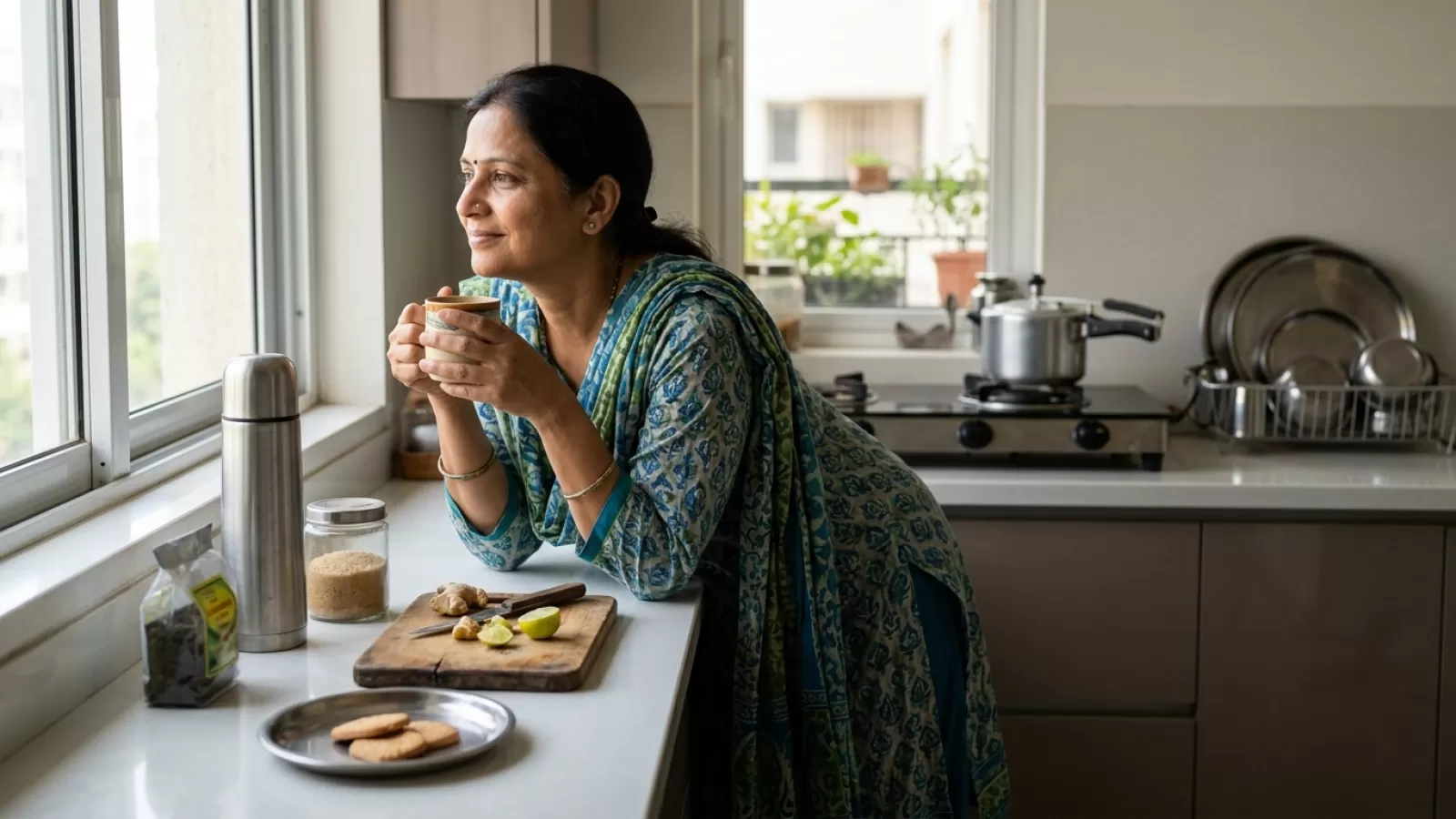
Some days, it feels like you barely remember sitting down. Between work, family, household chores, and those endless notifications, many Indian homes finish the day with a sigh—sometimes relieved, sometimes just tired to the bones. When your day’s finally over, you might wonder: is there a way to feel truly recovered, not just less tired? It’s tempting to chase quick fixes, but real recovery tends to follow a gentler, steadier path. Here’s a calm, practical look at how you can support deep rest and renewal at home, without overdoing or rushing the process.
Why Rushing Recovery Rarely Works
In many Indian families, the pace of life means rest is often crammed into whatever free moments you find. You might try to “catch up” by sleeping longer on weekends or squeezing in a quick nap between Zoom calls. The tricky part is, the mind and body don’t always respond to these crash courses in relaxation. True recovery tends to resist shortcuts.
You've probably noticed, after a particularly exhausting wedding season or year-end work deadline, that even an extra-long sleep leaves you groggy. It's a bit like trying to water a garden using a bucket instead of a slow, steady hose—the roots need time to absorb what’s given.
That said, there’s no need to give up hope. Recovery is possible, but it works best when you approach it with patience and realistic expectations. Think slow-cooked dal, not instant noodles.
Recognising Your Own Recovery Cues
Not every sign of tiredness means you need deep rest. Sometimes, you’re just hungry or bored; other times, your body really is asking for a reset. So, what should you watch for?
- Heaviness in the legs or back, especially after standing or walking a lot.
- Mental fog—forgetting small things, or struggling to finish familiar tasks.
- Irritability or feeling oddly emotional over small matters.
- A sense that even simple chores (like folding laundry or making tea) feel overwhelming.
In many homes, these cues are quietly ignored, brushed off with another cup of chai. But paying gentle attention—without judgment—can help you avoid burning out. Acknowledging how you feel is the first real step towards proper recovery.
Simple Restorative Habits That Actually Help
There’s no single “best” routine for everyone, but certain simple habits tend to support most people’s recovery—especially in busy, multi-generational families or small flats where personal space can be limited.
- Set a soft boundary after your workday. Even just five minutes of sitting in silence before dinner can help your mind switch gears.
- Gentle movement—like slow stretching, a short walk on your terrace, or even swaying to old film songs—often helps physical tension leave the body.
- Warm, familiar foods—dal, khichdi, lightly spiced sabzi—are usually easier to digest and less likely to disturb your sleep.
- Limit screen flicking. After a long day of digital work, try to avoid jumping straight into more scrolling or TV. The mind needs a break from constant input.
These days, many families find that a simple, shared evening routine—like lighting a lamp, chatting over light snacks, or watering plants—can signal to everyone that it’s time to slow down.
The Role of Gentle Transitions (Not Abrupt Changes)
Here’s the catch: going from “full speed” to “total rest” rarely feels natural. Sudden, dramatic switches—like quitting all chores at once, or forcing yourself to meditate for an hour—often backfire. Most people need a transition phase.
For example, after a crowded function or festival day, it’s common to feel both wired and worn out. Rather than expecting instant calm, you might find it helps to take 10 minutes to just putter around the house, tidy a little, or listen to soft music. This lets your body and mind settle gradually.
It’s a bit like how we ease from hot summer afternoons into cooler evenings. The change happens slowly, not all at once. Giving yourself this leeway can make rest come more naturally.
Why "Overcorrecting" Can Make Things Worse
Sometimes, when you’ve neglected rest for a while, you may feel pressured to “make up” for it with extreme habits: very strict diets, hours of forced exercise, or rigid sleep schedules. But in real life, overcorrection often causes more stress than relief.
You might notice, for instance, that trying to sleep for 12 hours straight after a week of late nights leaves you feeling stiff and oddly restless. Or that cutting out all your favourite foods suddenly makes you crave them even more.
Gentle opinion? Balanced, moderate steps—rather than drastic swings—usually work better for sustainable recovery. Changing one small thing at a time is much easier to stick with, especially when your family routine is already packed.
Making Space for Rest in Indian Homes
Many Indian homes, whether joint or nuclear, don’t have a dedicated “quiet room.” Space is often shared, and privacy can be rare. But rest isn’t all about silence or solitude.
Simple actions like dimming the lights after dinner, playing soft devotional songs, or encouraging a quiet reading corner (even if it’s just the edge of a bed) can help signal that it’s time to wind down. You may find that children, elders, and even pets respond well to these cues.
During festival months or school holidays, when the house is busiest, even a short “pause” for everyone—maybe after evening tea—can help. The key is consistency, not perfection.
Adjusting Expectations (And Letting Go of Guilt)
It’s common in many Indian households to feel guilty about taking time to rest—especially for homemakers and working mothers. There’s always another task waiting. But here’s a gentle reminder: recovery is not a luxury, it’s a quiet necessity.
Try not to compare your routines with what you see online or hear from others. Recovery looks different for everyone. Some people need more sleep, others find a short prayer or simple breathing exercise enough to feel refreshed.
No need to chase a perfect routine. What matters is that you listen to your body’s signals and respond with whatever is possible and practical for your home. Even small acts of self-care add up over time.
Finding Your “Enough” and Sticking With It
One of the most helpful things you can do is decide what “enough” rest means for you. This might change with the seasons, your age, or the stage of life your family is in.
- During school exam periods, maybe “enough” is just 10 minutes of quiet before bed.
- After a major family function, perhaps a day of simple food and less conversation feels right.
- On normal days, a short walk after dinner or listening to the radio before sleep may be all you need.
What matters most is that you don’t pressure yourself to recover instantly. Letting things unfold at their own pace—just as you’d let dough rise before making rotis—often brings the best results.
Some days will feel easier than others. That’s normal.
Final Thoughts: Gentle Care, Everyday
In the end, supporting your recovery after a busy day isn’t about following a perfect plan or making sudden changes. It’s about tuning in, acting gently, and allowing yourself the kindness you’d offer a loved one who’s tired. Life in India is rarely slow, but even in the busiest homes, small daily signals—soft words, quiet moments, a comforting meal—can help your mind and body find their natural rhythm again.
Remember, you’re not alone in feeling worn out sometimes. Many families quietly deal with this, too. Choose what feels genuinely doable, and let the rest wait for another day.