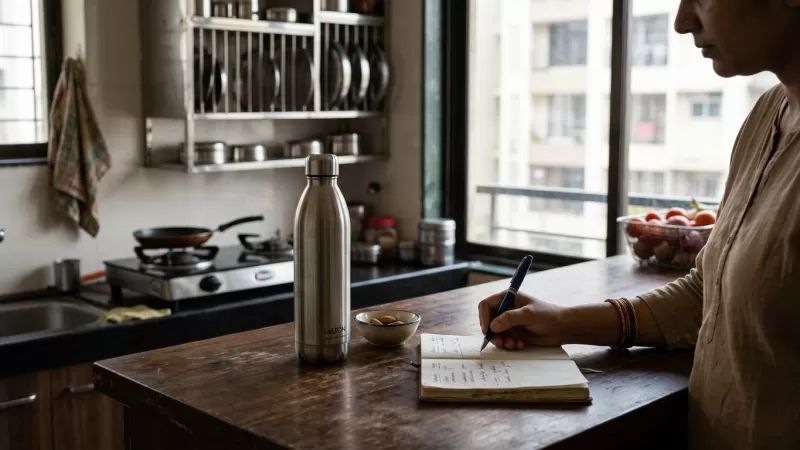
There are days when your body just feels heavier than usual. Not sick, not exactly tired, but almost as if you’re dragging yourself through your regular routine—whether it’s making chai in the morning, setting up your home office, or simply walking across the house to switch on the fan. This isn’t a rare feeling, especially in Indian homes where the weather, daily stress, and changing family responsibilities can quietly weigh you down. The good news? You don’t always need dramatic changes. Often, it’s the small, gentle habits—tucked into your day—that help your body feel lighter and more at ease.
Understanding the "Heavy Body" Feeling
This heavy, sluggish sensation isn’t unusual. It tends to creep up after a string of busy days, late-night dinners, or during our sticky summers. Many people describe it as feeling like you’re moving through mud, even if you slept okay and haven’t been unwell. It can show up as stiffness, mild aches, or just a sense that your arms and legs don’t want to cooperate.
Common reasons include:
- Sitting for long hours—at work or in front of the TV
- Eating heavy or oily foods, especially late at night
- Not drinking enough water (easier to forget than we think)
- Stress about family, work, or money matters
- Weather changes (most people feel heavier in humid or very hot conditions)
Here’s the thing: most of these are part of ordinary life. The trick is to spot when your body needs a little extra support, and to respond with kindness rather than frustration or guilt.
Small, Supportive Movements Throughout the Day
It’s often said that “movement is medicine,” but that can sound intimidating if you picture intense workouts. In reality, Indian homes are full of chances to move—if you pay gentle attention. Even when you’re busy, a few quiet stretches or a slow walk around your house can help shift that heavy feeling.
Here are a few ideas that fit into an average day:
- During morning tea, try ankle or shoulder rolls while standing by the window.
- Every hour or so, stand up and stretch your arms overhead, or gently twist side to side.
- While waiting for dal to boil, do a few rounds of walking from kitchen to balcony and back.
- If you’re watching TV in the evening, sit on the floor for a while—your legs will thank you.
Don’t aim for perfection. Just a few minutes of easy movement, scattered through the day, can make your body feel noticeably lighter.
Gentle Awareness: Noticing Your Body’s Signals
Many families quietly deal with minor aches or a sense of sluggishness, but we often brush it aside until it gets worse. These days, most of us are distracted—phones, TV, WhatsApp groups, work emails. It’s easy to ignore what your body is trying to say.
Start with simple check-ins during your day. After finishing a meal, pause for a moment and notice: Are you feeling satisfied, or uncomfortable and heavy? When you get up from a chair, do you feel stiff or light?
- If you sense heaviness, try a slow stretch or sip some warm water.
- If you feel okay, just carry on. No pressure.
It may sound basic, but these little awareness habits can help you catch discomfort early, before it turns into a real energy drain.
Minding Your Meals Without Overthinking
Let’s be honest: Indian food is delicious, but it’s easy to slip into habits that leave you feeling heavy—especially with late dinners, fried snacks, or too much rice at night. The tricky part is, busy families don’t always have time for elaborate planning.
What helps most people is not cutting out foods, but simply noticing what makes them feel comfortable versus sluggish. You’ve probably noticed that a lighter dinner (dal, sabzi, a little roti, some salad or curd) tends to sit better than heavy biryani or paneer butter masala late at night.
Some practical meal tips:
- Try to finish dinner at least 2 hours before bedtime, when possible.
- Keep fried or oily foods for special occasions or weekends.
- If you’re craving heaviness (say, after a festival), add a simple vegetable soup or buttermilk to help digestion along.
Remember, it’s not about strict rules. Just gentle adjustments, when you can manage.
Staying Hydrated—Yes, It Really Matters
This one comes up often, but it’s surprising how many people forget to drink enough water—especially seniors and busy professionals working from home. Water helps flush out the feeling of heaviness, especially during our hot Indian afternoons.
Plain water is best, but you can also include:
- Light nimbu paani (without too much sugar)
- Jeera or ajwain water
- Buttermilk or chaas after lunch
Keep a glass or bottle within reach, and sip throughout the day. If you’re not sure you’re drinking enough, just pay attention to your thirst or the color of your urine (pale is usually a good sign). No need to force huge amounts—just enough to avoid dryness and that sticky, sluggish feeling.
Rest and Sleep—The Unsung Heroes
Many people overlook how much a poor night’s sleep can add to the body’s sense of heaviness. In Indian homes, it’s common for sleep schedules to get pushed late—after TV serials, family phone calls, or just catching up on chores. The next day, your body quietly protests.
If you can, try to wind down a little earlier—dim the lights, switch off screens, maybe listen to soft music or read a few pages of a light book. Some families find it helpful to keep the bedroom slightly cooler and darker (especially in summer months), or to use a light bedsheet instead of heavy blankets.
It’s not always easy, especially with kids or elders in the house, but even one or two small changes can help you wake up feeling less sluggish the next day.
Lightening Your Mind to Lighten Your Body
Physical heaviness isn’t always about the body. Worry, stress, and mental fatigue (the kind that comes from juggling too many things at once) can leave you feeling just as weighed down. These days, you may notice more people mentioning this kind of tiredness.
Try this, when you’re feeling heavy:
- Sit quietly for a minute or two, focus on your breathing. No need for fancy meditation—just sit still.
- Take a short walk outside your home, even if it’s just to the gate and back.
- Write down three small things you’re grateful for, or something that went well today. It really can shift your mood.
Emotional heaviness often shows up in the body. Lightening your mind can gently help your body feel less burdened, too.
Letting Go of Perfection—Gentle Habits Win
This is important. Many people think they need big changes or strict routines to feel better. In reality, life in most Indian homes is full of unexpected events—guests arrive, power cuts happen, work deadlines pop up. It’s normal for routines to get disrupted.
The key is to build small, supportive habits that are flexible, not rigid. Even if you miss a day (or a week), just return to your gentle practices when you can. No need for guilt or self-blame. Progress is rarely a straight line.
Feeling lighter and more comfortable in your body doesn’t come from doing everything perfectly. It comes from noticing what helps, and doing a little bit, most days.
Some days will still feel heavy. That’s okay.
When to Pause and Listen More Closely
Most of the time, a heavy or sluggish feeling is just your body asking for a bit more care and attention. But if you notice that it doesn’t go away, or gets much worse, it’s always wise to check in with a trusted doctor—especially if there’s pain, swelling, or other changes that feel unusual for you.
For most people, though, a few small daily habits—gentle movement, lighter meals, enough rest, and kindness to yourself—make a noticeable difference over time. Our bodies are quietly resilient. With a bit of patience and awareness, you can usually support your own comfort, even on the busiest or most ordinary of days.