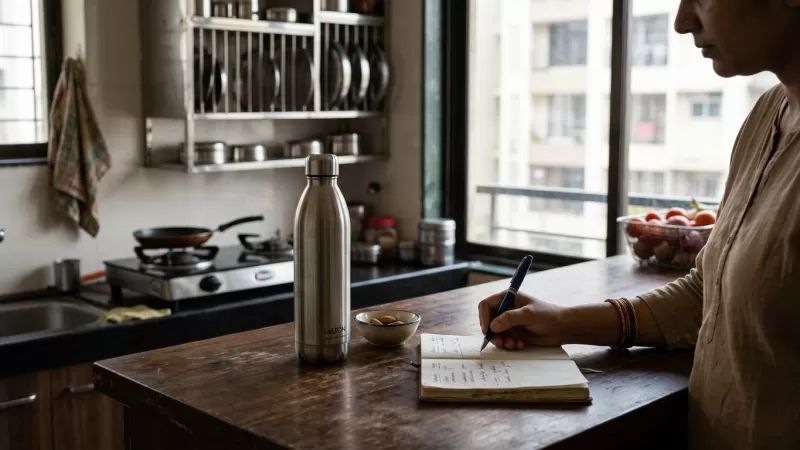
Most days, many of us spend more hours indoors than we expect—working at a desk, keeping an eye on online meetings, or simply managing endless household chores. It’s easy to lose track of time, only to realise by evening that your back feels stiff, your legs ache, or your eyes are burning a little. You’re not alone; this is something that’s become quite common in Indian homes, especially in recent years with work-from-home schedules and growing to-do lists. While big health routines might sound appealing, it’s the small, everyday comfort habits—those little awareness moments—that truly help the body stay at ease during long indoor days.
Noticing Body Signals: The First Step
Very often, we ignore the early signs of discomfort. You might feel a dull ache in your shoulders after a few hours of sitting, or a slight heaviness in your legs, but brush it off, thinking you’ll deal with it later. The tricky part is, these small signals add up. Many families quietly deal with this, not because they’re careless, but simply because life is busy and routines are packed.
Getting into the habit of checking in with your body—just a few seconds every couple of hours—can make a difference. You don’t need to overthink it. Ask yourself: Am I slouching? Are my feet flat on the floor? Do I feel any tension in my neck or eyes? Sometimes, even noticing these small things is enough to remind you to shift positions or stretch lightly.
There’s no need for a formal routine. Just gentle awareness, like you might check if the cooker is still whistling or if the chai is boiling over.
Seating and Posture: Making Peace with Your Chair
Most Indian homes aren’t designed with office chairs and ergonomic desks. Many people work from dining chairs, sofas, or even the bed—especially when space is tight. And yes, a perfect setup is nice, but it’s not always possible.
What usually helps is making the best of what you have. Place a cushion or folded towel at your lower back if the chair feels hard. Try to keep your feet flat on the floor or a small stool. If you’re sitting cross-legged on a bed (a very Indian habit), remember to change your leg position every so often. It’s not about sitting perfectly, but about not letting one posture hold you hostage all day.
- Shift your position whenever you remember—during phone calls or while waiting for a file to load.
- If you feel your shoulders hunching, roll them back gently and drop them down.
- For those who can, sitting at the edge of the chair for a few minutes can engage your core and rest your back.
Tiny Movement Breaks: Fitting Them Into Your Day
When you’re busy, the idea of taking exercise breaks can sound tiring or unrealistic. But tiny movement breaks are different—they fit naturally into the day, like standing up to get water, or walking to the balcony to check on the plants.
You’ve probably noticed how stiff the body feels after a few hours of sitting. Even a one-minute walk around the house, standing up and stretching your arms overhead, or rotating your ankles can help. It’s not about burning calories or getting fit; it’s just about staying comfortable.
- Pair movement with daily tasks—stand while taking phone calls, or do a few side bends while waiting for tea to boil.
- If you cook during lunch breaks, use those five minutes waiting for the dal to simmer to gently stretch your arms or roll your wrists.
- Set a soft reminder (like a song or the hour chime) to cue you to move, but don’t stress if you miss a few.
Eye Comfort in a Digital World
These days, almost everyone spends time in front of screens—phones, tablets, or laptops. After a while, eyes can feel gritty, tired, or watery, especially with overhead tube lights or during late-night work.
One gentle habit is the 20-20-20 rule: every 20 minutes, look at something 20 feet away for about 20 seconds. Of course, it’s not always possible to track the exact time, but the spirit is to give your eyes a small break. Looking out the window, focusing on a distant tree or building, can be surprisingly refreshing.
Other simple tips include:
- Blinking slowly several times to moisten your eyes.
- Covering your eyes with your palms for a few seconds to rest them (palming).
- Adjusting the brightness of your screen or using a desk lamp instead of harsh overhead lights, especially during evenings.
These little practices often go unnoticed, but they quietly support eye comfort through long workdays.
Comfortable Clothing and Temperature
It may seem minor, but the clothes you wear at home can affect how your body feels during long indoor days. Tight waistbands, synthetic fabrics, or even heavy jewellery can add up by evening, especially in cities where the weather can swing from dry heat to sticky humidity in hours.
Many people find cotton or loose kurtas, pajamas, or simple t-shirts help the body breathe. During summer, it’s natural to want lighter fabrics, even if you’re sitting inside all day. In winter, a shawl or soft sweater can help avoid that creeping chill many homes get after sunset, especially in North India.
Sometimes, just changing into a fresh set of clothes after finishing chores or before starting work can signal a small mental shift, helping you feel more settled and at ease.
Hydration and Comfort Foods
It’s easy to forget water when you’re deep in work or running from one home task to another. Many Indian homes rely on chai or coffee through the day, but plain water often gets left behind. Dehydration can make you feel sluggish, and sometimes, just a glass of water can ease a mild headache or tiredness.
Try to keep a water bottle or glass within arm’s reach—on your desk, kitchen counter, or wherever you spend the most time. You don’t have to force yourself to drink lots at once. Small sips throughout the day usually work better.
And about food—comfort doesn’t mean overeating or snacking all the time. But a small bowl of warm dal, a simple roti, or a handful of chana can feel satisfying and gentle on the stomach, especially on busy days. There’s something quietly reassuring about familiar foods, isn’t there?
- Have seasonal fruits cut and ready for quick munching (papaya in summer, guava in winter).
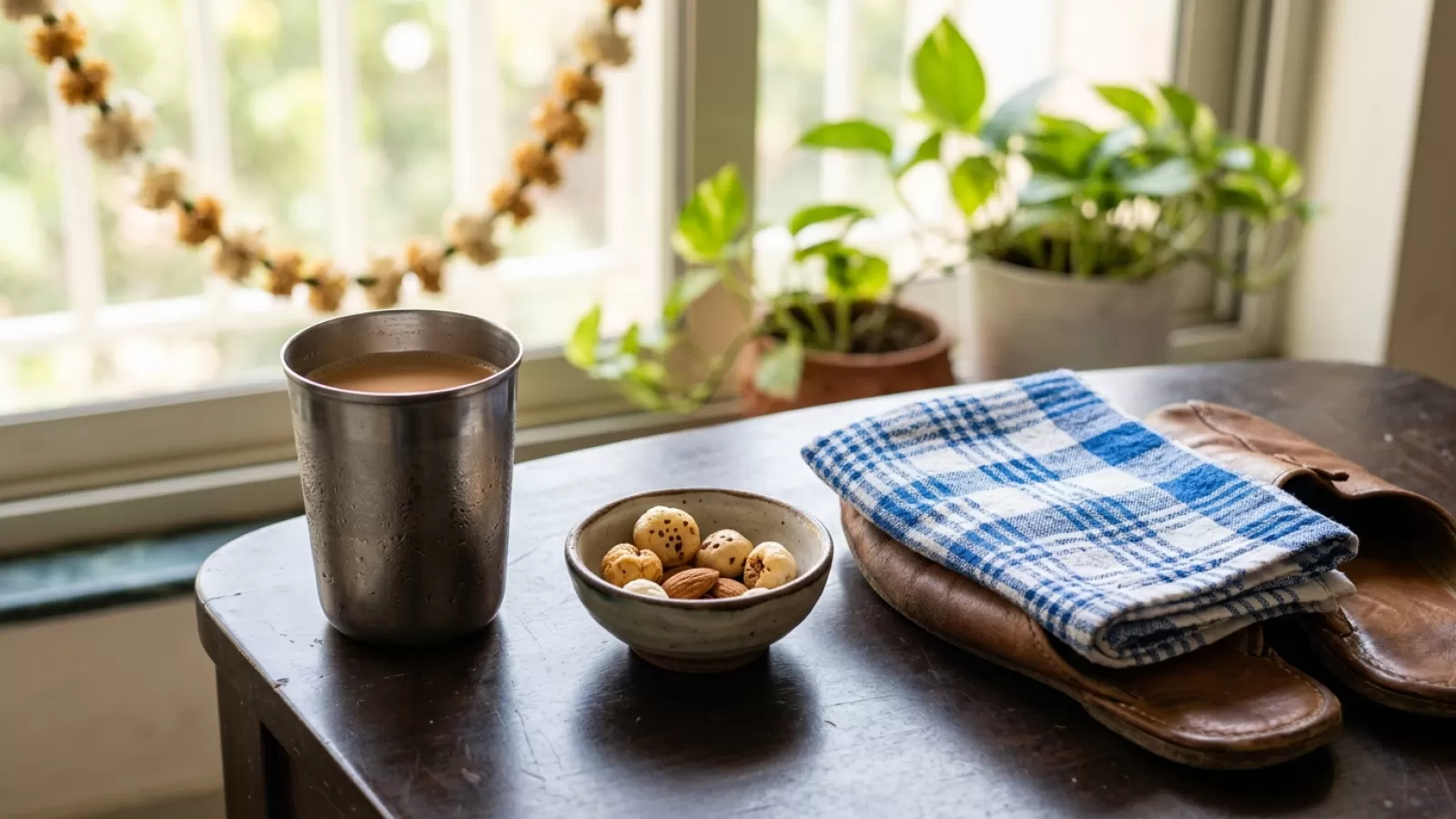
- If you like, keep roasted makhana or murmura nearby for light snacking.
- Try not to skip meals; even a plain paratha with dahi is better than working on an empty stomach.
Gentle Evening Transitions
After a long indoor day, it’s common to feel restless or wound up, especially if you’ve been juggling work, home tasks, and family needs. In many homes, evenings aren’t truly restful—they can get even busier with dinner prep, helping kids with homework, or catching up on calls.
Still, small evening routines can help your body unwind. It could be as simple as stepping out to the balcony for fresh air, stretching your arms against a wall, or just lying down with your legs slightly elevated on a pillow for a few minutes. These aren’t dramatic changes, but they signal the body to slow down.
Some people enjoy listening to soft music, lighting a diya, or chatting with family over dinner. These routines, though simple, help mark the end of a workday and ease the mind and body into rest mode.
Being Kind to Yourself: Adjusting as Needed
Here’s the catch: no routine is perfect. Some days, you’ll forget to stretch or drink enough water. There will be times when the house is noisy, the power goes off, or work demands your full attention for hours. It’s natural to feel frustrated or think you’ve failed at taking care of yourself.
The truth is, comfort routines are about flexibility and forgiveness. If you miss a break or snack, you can always adjust—maybe stretch a little extra the next day, or fill your water bottle before sitting down again. Over time, these small habits add up, even if they aren’t done perfectly every day.
Above all, remember that your comfort matters—just as much as getting things done. Slow, gentle awareness can carry you a long way, especially through those long, indoor workdays that so many of us experience now.