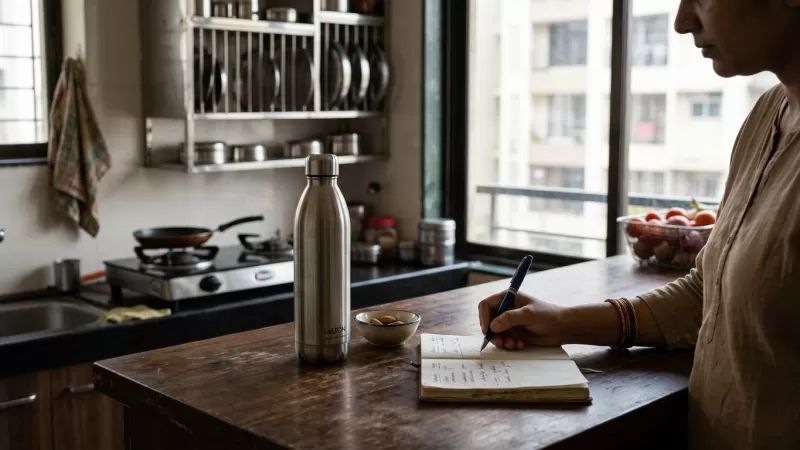
Most people in India, whether they’re busy homemakers, professionals working from home, or seniors enjoying retirement, know that feeling after lunch: your eyes feel heavy, your mind drifts, and even simple chores seem a little harder. This afternoon slump isn’t just your imagination. It often arrives quietly, right when there’s still plenty left to do—packing up school bags, finishing office calls, or starting evening prep in the kitchen. While strong tea or coffee is a popular fix, there are also lighter routines that can help you bounce back gently, without making you feel jittery or rushed.
Why Do Afternoon Slumps Happen?
First, it helps to know that feeling sluggish in the afternoon is very common. In many Indian homes, you’ll see someone quietly dozing on the sofa, or children lying on the floor with their books, pretending to study but mostly daydreaming. It’s not just the summer heat or a heavy lunch—our bodies naturally slow down a bit after midday.
Usually, the combination of a busy morning, a meal that fills you up, and the body’s own rhythms all play a part. Many people notice this dip more if they’ve eaten a big plate of rice or had oily sabzi at lunch. Some days, it’s stronger; other days, you might barely notice it. But if you’re finding it hard to stay steady or alert, you’re not alone.
The tricky part is, powering through with willpower alone often doesn’t work for long. That’s why small, gentle changes to your routine can make a surprising difference.
Check In With Yourself: A Tiny Pause
Before you reach for another cup of chai or scroll your phone, try pausing for just a minute. Many families don’t realise how much good a small check-in can do. Simply notice: are you feeling tired, stiff, or restless? Is your mind racing, or is your body just heavy?
This isn’t about deep meditation or complicated mindfulness. Just sitting for a moment, closing your eyes, and taking a slow breath can help you notice what you really need. Sometimes, you’ll realise it’s not just physical tiredness—it might be boredom or mind-wandering. Other times, your body is actually asking for a short break.
Small awareness cues like these can sound too simple, but they’re often the first step to restoring a sense of lightness. And it only takes a minute.
Move Gently: Simple Ways to Wake Up the Body
Sitting for hours, especially after lunch, can make your body feel stiff and heavy. You don’t need a full workout—just a few minutes of gentle movement can bring back some energy. In many homes, you’ll see elders walking slowly indoors or children stretching their arms and legs after study time. These small movements are more helpful than you might think.
Here are a few easy options you can try in a saree, kurta, or even office clothes:
- Stand up and stretch your arms over your head for a slow count of ten.
- Walk slowly from one room to another, swinging your arms gently.
- If you can, open a window and do a few slow shoulder rolls or neck stretches.
- For those with knee or back issues, simply rotating your wrists and ankles while seated can help.
The idea isn’t to sweat or strain—just to wake up your body a little. Even two minutes of this can make a difference.
Light Hydration: Sip, Don’t Gulp
Many people quietly forget to drink water in the afternoon, especially if they’re busy or the weather is pleasant. Dehydration often sneaks up, making you feel even more tired or foggy. But drinking a big glass of cold water all at once isn’t always comfortable, especially after lunch.
Instead, keep a small steel or copper bottle nearby. Sip slowly every 10–15 minutes. If plain water feels boring, try a dash of nimbu, a few pudina leaves, or a pinch of jeera. During summer, a little chaas (thin buttermilk) can also perk you up without feeling too heavy.
Here’s the catch—don’t force yourself to drink too much. Your body will usually tell you when it’s had enough. Just remember to notice your thirst, especially on busy or humid days.
Lightening Up Your Lunch (Without Going Hungry)
What you eat at lunch has a big say in how you feel at 3 pm. In many Indian homes, lunch is still the main meal—dal, rice or roti, sabzi, maybe a bit of curd. While it’s tempting to fill up, especially after a long morning, a very heavy or oily meal can make you feel much sleepier.
A few gentle tweaks can help you avoid that heavy slump:
- Try a little extra sabzi and less rice or fewer rotis if you notice yourself getting sleepy after lunch.
- Choose dal or lighter vegetable curries over thick, creamy gravies.
- Include a small bowl of salad or plain curd—these add freshness without weighing you down.
- Eat slowly, and notice when you’re comfortably full rather than stuffed.
No need for complicated diets or skipping meals. Just a bit of awareness during lunch can leave you feeling lighter for the rest of the day.
Short Rest: Power Nap, or Just a Quiet Moment
In many Indian families, especially among seniors or young children, a short nap after lunch is almost a tradition. There’s no shame in it. A 10–20 minute rest—lying down or just sitting with your eyes closed—can reset your energy for the rest of the day.
That said, not everyone can actually nap, and sometimes a longer sleep can make you groggier. If you have trouble falling asleep, just lie down and breathe slowly, or sit in a quiet spot and listen to music or the sounds outside. The aim is to let your body and mind relax, even for a short while.
Try not to feel guilty about taking this break. Many people find that a short rest leaves them more productive and calmer, instead of fighting tiredness all afternoon.
Gentle Mind Reset: Small Rituals That Refresh
There are days when even after a stretch and a glass of water, your mind feels dull. This is when small, familiar rituals can offer a surprising lift. You’ve probably noticed how a few minutes of watering your balcony plants or folding laundry quietly can bring back some steadiness.
Some ideas that don’t require screens or big effort:
- Wipe down the kitchen counter or arrange your desk for five minutes.
- Step outside to your doorstep or balcony, feel the breeze, and watch the street for a while.
- Light a diya or incense and sit quietly for a few moments.
- Call a close friend or relative just to say hello.
These routines aren’t about being productive—they’re about breaking the monotony and giving your mind a little reset. Sometimes, a simple change of scene is enough to bring back some spark.
Evening Prep: Easing Into the Second Half
As the afternoon fades, many homes in India start preparing for the evening. If you’ve managed a gentle routine, you might notice you’re less irritable or rushed as you move into this busy time—whether it’s supervising homework, prepping vegetables, or winding up office work.
It helps to take five minutes before evening tasks begin to plan what’s next. Write a quick to-do list, or just mentally note which jobs need your attention. This small step can reduce that overwhelmed feeling, especially on days when energy is running low.
And if you’ve still got a bit of tiredness lingering, that’s all right. Most people have up-and-down days. What matters is that you’ve listened to your body and mind, and given yourself a fair chance to reset.
Building Your Own Afternoon Routine
There’s no single right way to handle the afternoon dip. What works for one person—like a power nap—might not suit someone else who prefers a quick walk or a light snack. The main thing is to notice your patterns, be a little kind to yourself, and not expect perfection.
You might find that on some days, a gentle stretch and a cool glass of water are enough. Other times, you may need to pause a bit longer, or try something new. It’s all part of living in tune with your own rhythms, even in a busy or noisy household.
So the next time you feel that familiar slump after lunch, remember—you’re not alone, and a light, thoughtful routine may be just what you need to finish your day with steadiness and a bit more ease.