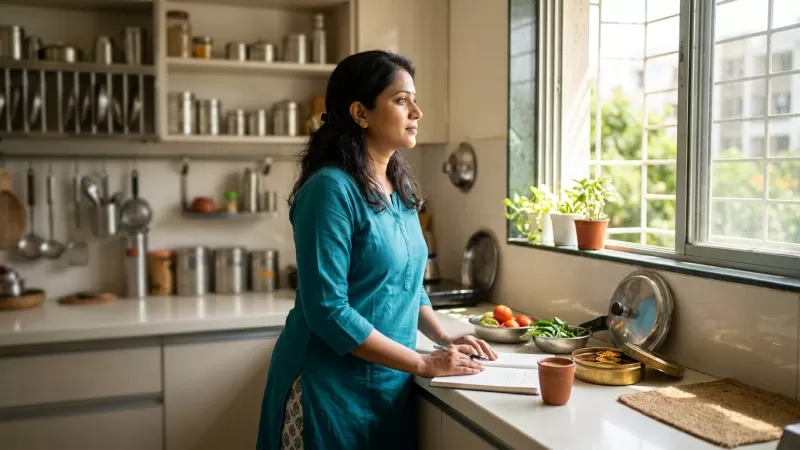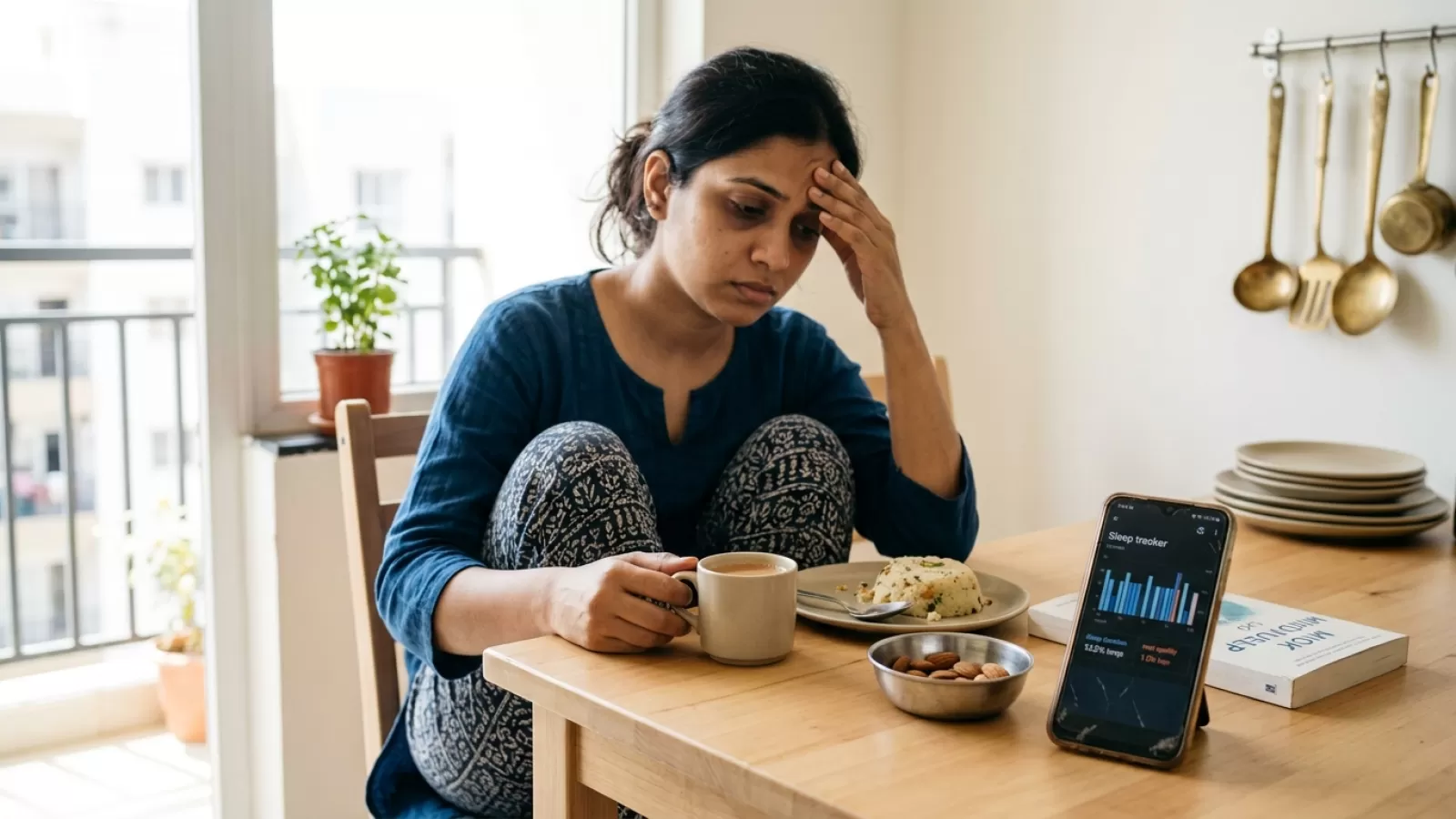
In many Indian homes these days, adults wake up after what should be a full night’s sleep — 7, even 8 hours — and yet, as they shuffle into the kitchen, there’s that familiar heavy feeling. The eyes sting, the body drags, and the mind feels oddly foggy. Even a steaming cup of chai or strong filter coffee can’t quite shake it. The sense of being still tired after sleeping in India is now woven into morning routines, whether you’re a homemaker planning tiffin or a professional squeezing in a few emails before the family stirs.
The surprising part? Most people are technically hitting their “sleep quota.” Yet, the real question rolls in every morning: why unrefreshed after sleep in India, even when the hours are right? It’s the difference between simply lying in bed and actually getting better rest quality Indian adults need. Sleep and rest sound like the same thing, but for so many, they’re miles apart.
When Sleep Doesn’t Leave You Rested: A Common Indian Experience
Across Indian cities and towns, adults often wake from long stretches in bed, only to find the day’s tiredness already waiting. Housewives who have spent hours preparing dal, roti, and sabzi for the family might still feel drained after a night’s sleep. Working professionals who finally collapse into bed post-midnight — after meetings, traffic, and endless WhatsApp messages — often report that their bodies feel heavy and their minds unsettled by morning.
This isn’t about just needing more sleep. It’s a pattern where sleep doesn’t restore, and the next day starts on the back foot. Power cuts in the middle of humid summer nights, snoring partners, or the anxiety of unfinished tasks all add up. Many families in Indian cities now recognise this: sleep not restoring India is a quiet, widespread struggle.
Children, too, notice. They see parents waking up grumpy or sluggish, rushing through breakfast, or snapping over small things. In joint families, seniors sometimes mention that even after a nap, they don’t feel “fresh.” The tricky part is, resting in a way that truly refreshes — body and mind — is harder than it sounds, especially in homes where rest is seen as a luxury, not a necessity.
Why Indian Adults Often Wake Up Feeling Drained
There’s more to this than just late nights and early alarms. In many households, the mind rarely gets a break. Thoughts keep running — bill payments, children’s studies, work deadlines, parents’ health, the next day’s chores. So while the body is lying down, the nervous system might still be on high alert, never truly switching off.
Fitness coaches who train working adults often find that most movement in Indian homes comes from daily tasks, not planned exercise. This means bodies are busy, but not always relaxed before bed. Noise from traffic, neighbours, or late-night TV can keep the mind slightly “on.” Add to that heavy evening meals, late-night scrolling, and the pressure to be productive at all hours — it’s a perfect recipe for shallow, disturbed sleep.
Many adults fall into a habit of sleeping with worries unresolved. You might get into bed early but lie awake, replaying the day’s arguments or tomorrow’s to-do list. Or you might fall asleep quickly, only to wake suddenly at 3am, mind racing. In semi-urban areas, summer heat or mosquitoes can break up sleep. Over time, this kind of pattern means you’re still tired after sleeping in India, because your body never fully powers down.
There’s also the cultural expectation to just “manage” — to cope with everything quietly, without complaint. Resting, pausing, or taking time out is sometimes seen as laziness. That said, without true rest, even the best sleep schedule can leave you running on empty.
Clues That Your Sleep Isn’t Actually Helping You Rest
- You wake up feeling as tired as you were before bed: That groggy, heavy sensation, even after 7-8 hours, is the biggest sign.
- Your mind races at night or during early hours: Waking up at 3am, fully alert and thinking about work, bills, or family matters.
- You rely on chai, coffee, or sugary snacks to “wake up”: Many adults need two cups before breakfast just to feel normal.
- Frequent moodiness or irritability in the morning: Snapping at children or partners, or feeling low for no clear reason.
- Afternoon crashes — even after a good lunch: Feeling the need to nap, but even naps don’t really refresh.
In Indian families, you’ll notice these signs crop up quietly. A homemaker might feel exhausted while kneading atta, or a senior might skip their morning walk, blaming the weather. The real reason, often, is sleep not restoring India — the rest deficit builds up slowly, unnoticed.
Simple Changes That Can Improve Rest for Indian Adults
- Wind down before bed, not just physically but mentally: Try sitting quietly with a cup of warm milk or dahi, or listening to soft music. A 10-minute pause after dinner — with lights dimmed and screens off — helps signal your body that it’s time to slow down. Many families find that a short evening walk after dinner calms the mind.
- Lighten your dinner: Heavy or spicy meals late at night — like rich gravies or oily snacks — tend to disturb sleep. A simple khichdi or poha can be easier on the stomach and support better rest quality Indian adults often need, especially during hot months.
- Keep technology out of the bedroom: Phones, laptops, and even noisy TV in the next room can keep your brain “busy” long after you’ve put them down. If possible, charge devices outside the bedroom and pick up a book instead.
- Make your sleep environment restful: In many Indian homes, shared rooms or joint family setups can make this tricky. Still, small things help — a fan or white noise to block traffic sounds, light curtains, or a simple bedsheet change in summer. During power cuts, keeping a bottle of cool water nearby and a hand fan within reach can help minimise heat disruption.
- Don’t ignore daytime stress: It accumulates. Short pauses during chores — sitting with chai for five minutes, stretching arms and shoulders, or stepping out onto the balcony — can help “reset” the nervous system so you’re not carrying the whole day’s tension into bed.
The catch is, these are not one-time fixes. They’re small habits that slowly change how rested you feel. You may not see a big difference overnight, but over a week or two, that sense of being still tired after sleeping in India often starts to fade.
Where Unrefreshing Sleep Sneaks Into Everyday Indian Routines
In many Indian apartments, mornings start with pressure cookers hissing and mobile alarms ringing. A working professional commuting in Bengaluru might wake up after a so-called “full night’s sleep,” but feel like a zombie while packing lunch and checking emails. Meanwhile, a homemaker in Lucknow, after prepping breakfast and tiffin for the family, wonders why her back aches and her mind feels cloudy, despite going to bed on time.
Joint family homes see similar patterns. In the evenings, the TV blares through the walls, children run about, and elders try to rest but can’t truly relax. During humid summers, fans run all night, but sleep is broken by sweat and mosquitoes. The next morning, everyone is a shade more irritable and tired — yet the day rolls on, expectations unchanged. In these moments, it becomes clear: in India, sleep not restoring India isn’t just a medical concern — it’s part of the daily rhythm, often ignored but quietly shaping the mood of the household.
When Is It Time to Seek Help for Your Sleep?
For most adults, small changes to evening routines and managing daytime stress can bring about better rest quality Indian adults need. However, if you find that no matter what you do — changing your diet, adjusting your sleep schedule, trying relaxation — you’re still tired after sleeping in India for weeks or months, it might be wise to check in with a doctor.
Other signs like snoring loudly, gasping at night, persistent low mood, or difficulty functioning during the day shouldn’t be brushed aside. Sometimes, medical issues like sleep apnea, depression, or thyroid problems can be hidden underneath “just tiredness.” If these patterns continue, don’t hesitate to ask for support. Your rest matters as much as anyone else’s in the family.
Common Questions
Every home has its own sleep quirks, but many families quietly ask the same things. If you’re still tired after sleeping in India, or wondering why unrefreshed after sleep India is such a shared experience, you’re not alone. Let’s pause and look at what comes up most often in Indian households — and what might actually help.
Why do so many Indian adults wake feeling unrefreshed despite technically sleeping enough hours?
In many Indian families, sleep is often interrupted or restless because the mind stays busy. Nighttime worries — from work stress to family concerns — keep the nervous system partially alert. Power cuts, street noise, and late-night phone scrolling add to the problem. So even if you lie in bed for 7-8 hours, your body and mind may not fully “switch off.” That’s why so many adults feel unrefreshed after sleep in India, even when they’ve technically clocked enough hours.
What is the difference between sleeping and genuinely resting for Indian adults?
Sleeping is the physical act of lying in bed with your eyes closed, but genuine rest goes deeper. Rest means your mind and body both relax, letting go of daily tension. In Indian homes, true rest is rare — often, you’re thinking about tomorrow’s chores, next day’s lunch, or family needs even while in bed. That’s why better rest quality Indian adults need involves mental unwinding, not just physical sleep.
How does accumulated daily stress affect the quality of sleep even when the total hours are adequate?
Daily stress — whether it’s managing household chores, work calls, or kids’ studies — doesn’t just vanish at bedtime. It follows you into sleep, making it lighter or more broken. Many adults in India fall asleep quickly from exhaustion but then wake up feeling as if they barely slept. This is because the nervous system never got to truly relax, and sleep remains shallow. That’s why sleep not restoring India is linked closely to daily stress that isn’t addressed during the day.
What daily habits most improve sleep quality for Indian adults rather than just sleep quantity?
Some habits that help: winding down with a short walk after dinner, avoiding heavy or oily meals at night, putting away phones an hour before bed, and creating a calm bedroom space (even if it’s just dimming the lights or changing the bedsheet). Taking five-minute breaks during the day to breathe or enjoy chai can reduce overall stress. Over time, these small shifts improve rest quality, not just total sleep hours, especially in busy Indian homes.
When does consistently unrefreshing sleep in Indian adults indicate a medical condition that needs investigation?
If you’ve tried changing routines and managing stress but still wake up tired for weeks, it’s time to listen to your body. Signs like loud snoring, frequent waking, gasping at night, or feeling down for days may signal something more serious, such as sleep apnea or depression. In these cases, don’t wait — speak to a doctor. In many Indian families, ignoring these signs is common, but medical support can make a real difference if ongoing tiredness is affecting your daily life.