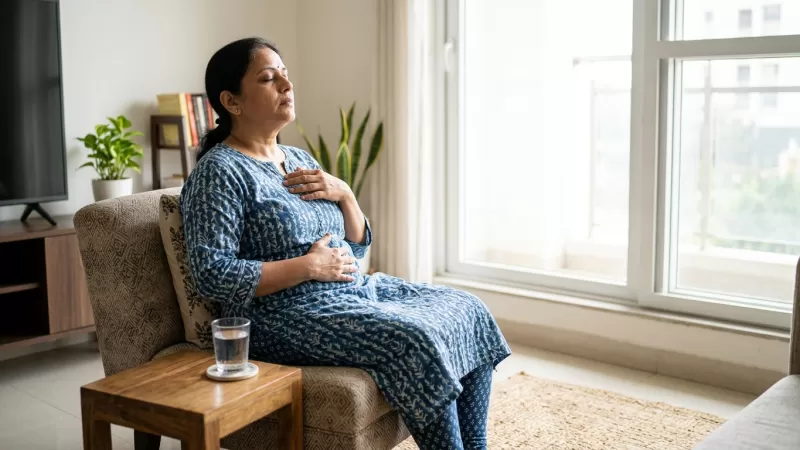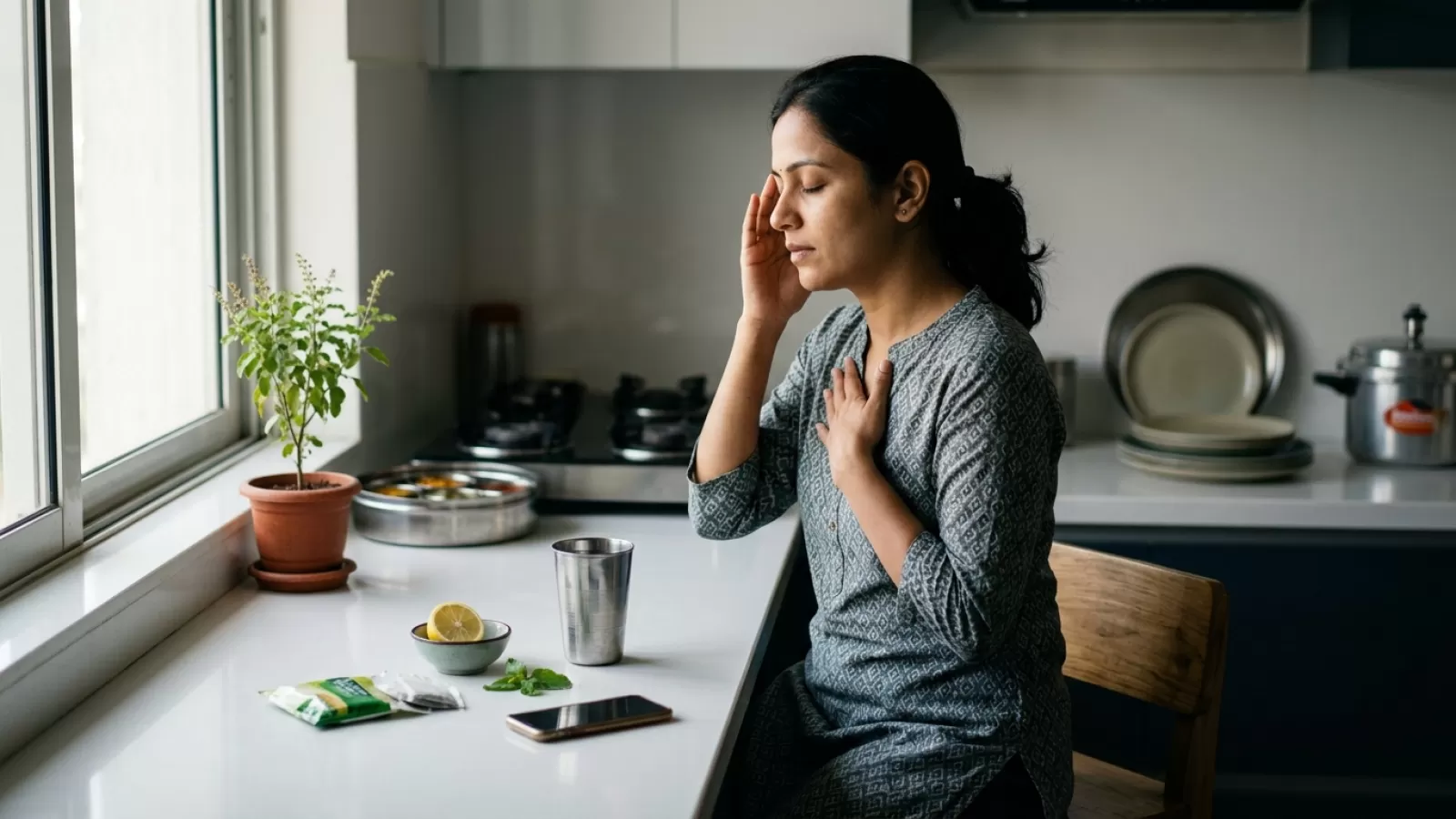
Stress in Indian homes can arrive out of nowhere—a WhatsApp from your boss at 10pm, a sudden school notice about your child, a power cut right when you’re trying to finish a work call. These moments don’t wait for you to process; your heart races, palms sweat, and you need instant calm techniques India has quietly relied on for generations. The body often reacts before the mind can catch up, and in those seconds, you want something that works faster than meditation or a motivational quote.
In these times, most people don’t have the luxury to sit down and breathe deeply for ten minutes or step away from their responsibilities. The good news is, there are small, body-based actions—some you already do—that can offer sudden stress relief India style, right where you are. Let’s look at why these moments are so common, how you can spot them, and what you can do—sometimes in under a minute—to steady yourself, even if you’re just standing by the kitchen stove or stuck in Bengaluru traffic.
When Sudden Stress Strikes in Indian Homes and Workplaces
In most Indian households, sudden stress doesn’t come with a warning. One minute you’re eating poha, the next your phone buzzes with a bank notification you weren’t expecting. For working adults, especially those juggling family and work in the same space, these shocks feel physical—a jolt in your chest, a pit in your stomach, sometimes even a flush of heat or cold.
It happens in joint families too: an uncle’s raised voice, an urgent call about property paperwork, or even the sudden clang of a pressure cooker at the wrong time. These stressors are woven into the daily rhythm, especially with shared spaces and constant multitasking. Many adults find that the stress from one person spreads—when your partner is anxious, the energy in the whole room changes.
Instant calm techniques India has developed might look simple, but they’re effective because they fit into these household realities. The focus is always on responding quickly, often without anyone else knowing you’re stressed at all.
Why the Body Reacts So Strongly to Sudden News
The tricky part is how fast the body jumps into action—even when your mind is telling you “it’s not that bad”. This is because your nervous system is built to protect you, not to check if the threat is a real emergency or just a confusing SMS from the bank. In Indian homes, where adults are often responsible for children, elders, and a thousand daily details, the body’s reaction is stronger; you can’t afford to make a mistake, so the adrenaline kicks in.
Fitness coaches who train working adults often find that most movement in Indian homes comes from daily tasks, not planned exercise. Sudden stress relief India style often means using these built-in habits—like walking quickly to the kitchen or clenching your fists in your lap—to calm the body before the mind can spiral. That said, the intense reaction is not a sign of weakness. It’s just your body’s way of getting you ready to act fast, whether that means calling the bank or simply checking if the child is okay.
How You Know Stress Has Hit: Instant Body Clues to Watch For
- Heart pounding suddenly: You feel your pulse in your throat or chest, especially after reading an urgent message.
- Dry mouth or sweaty palms: You reach for your chai but suddenly your mouth feels dry, or you notice your hands are clammy even in the AC.
- Tightness in shoulders or jaw: Many adults clench their teeth or hunch their shoulders without realizing it, especially when the stress comes during work calls or family discussions.
- Shallow or held breath: Instead of breathing slowly, you might find yourself holding your breath or sighing loudly.
- Restless movement: Pacing the corridor, tapping feet, or fidgeting with your dupatta—these are ways the body tries to release extra energy.
Many Indian adults notice these signs in the middle of daily chores—while stirring dal, folding laundry, or cycling through WhatsApp groups. The signs are usually subtle but familiar, especially on busy days when multiple things go wrong at once.
Tried-and-Tested Instant Calm Techniques India Uses Daily
- Press your palms together (Namaste): Quietly pressing the palms together at chest level, even for a few seconds, can help ground your body. The gentle pressure sends a signal of safety—something many Indian adults do without thinking, especially in stressful meetings or before difficult conversations.
- Splash cold water on your face or wrists: When sudden stress hits, quickly stepping into the bathroom to splash cool water on your face or wrists helps reset your body’s stress response. It’s a classic trick, especially during humid summers, and works in both homes and offices.
- Clench and release fists under the table: Making tight fists for a count of five and then releasing them (even hidden in your lap) helps discharge that sudden rush of adrenaline. Many working professionals do this during tense video calls or while waiting for a difficult phone call to connect.
- Stamp your feet gently (if alone): A quick, gentle stamp of the feet—almost like shaking off tension—can help the body let go of stress. This is often done quietly in kitchens or bedrooms, out of sight.
- Slowly sip water: Taking a slow, deliberate sip of water (not gulping) is a subtle signal to your body that things are under control. In many Indian homes, reaching for a steel glass from the kitchen shelf is the first response to any bad news.
These instant calm techniques India has used for years tend to work best when you do them discreetly, right in the middle of whatever you’re doing—no special equipment or space needed.
Where Sudden Stress Relief Fits Into Real Indian Routines
In most families, there’s no escaping sudden stress. The doorbell rings during a tense work call, or a child’s teacher sends a last-minute message about missing homework. In joint families, someone’s raised voice in the other room can trigger stress even if you’re not directly involved.
On mornings when everyone runs late, a small kitchen spill or a missing tiffin box can set off a flurry of frustration. Many families in Indian cities have quietly discovered that walking briskly to another room or gripping the edge of the dining table gives just enough relief to handle the next task without snapping at someone. During power cuts, especially in summer, adults often step onto the balcony for a few seconds of fresh air—just enough to reset before diving back into the chaos.
It’s these tiny, almost invisible pauses—sipping water, pressing hands together, clenching fists—that make the difference between a day that spirals and one that regains balance. Sudden stress relief India style is rarely dramatic; it’s woven into the way people move, pause, and carry on, even when everything feels like it’s falling apart.
Recognising When You Need a Little Extra Help
Most sudden stress in Indian life passes quickly—a few minutes, a small action, and you’re back to your routine. But if you find that these physical signs of stress don’t go away even after you’ve tried the usual tricks, or if they start interfering with sleep, appetite, or your ability to handle daily tasks, it’s a good idea to talk to someone you trust. This could be a family member, a friend, or your family doctor.
No instant calm technique replaces a real conversation when the stress feels overwhelming or constant. Sometimes, just sharing what happened is the first step to feeling normal again.
Common Questions
Sudden stress is a regular visitor in Indian homes, but that doesn’t mean you have to let it take over your day. These questions come up often, especially from adults who are juggling family, work, and their own health. Let’s look at some practical answers using familiar household moments that many of us recognise.
What are the fastest ways to calm the body when sudden stress hits in Indian daily life?
Some of the fastest instant calm techniques India relies on are hidden in everyday actions: pressing your palms together in a quiet Namaste, splashing cold water on your face, or slowly sipping a glass of water from the kitchen. A homemaker in Chennai, for example, might quietly step away to rinse her hands in cool water after a stressful phone call, then return to her chores feeling steadier. These actions usually take less than a minute and can be done without drawing attention.
How do you manage a strong sudden stress response when you are in a public place or in front of others?
In crowded Indian trains or busy offices, subtle movements work best. You can clench and release your fists under a bag or dupatta, press your tongue gently to the roof of your mouth, or slowly count your steps if you’re walking. Many adults waiting at a government office or in a hospital simply take a slow sip of water or quietly press their palms together on their lap. These actions aren’t noticeable but help diffuse the intensity of the moment.
Why does the body react so intensely to stressful news even when the situation is not actually dangerous?
The body can’t always tell the difference between a real emergency and a sudden message about a late payment or missing tiffin. In Indian life, where one adult often handles many responsibilities, the nervous system is always on alert. That intense reaction—a pounding heart, tight chest—is your body’s way of getting you ready to act fast. It’s not a sign of weakness; it’s just a built-in safety signal, shaped by years of dealing with family needs, work pressures, and unexpected surprises.
What Indian adults can do in under 60 seconds to reduce the physical sensation of sudden stress?
In under a minute, you can step to the kitchen for a sip of water, clench and release your fists, or quietly stamp your feet if you’re alone. Many adults in India press their palms together or gently massage their temples—small tricks that reset the body. If you’re at your desk, try pressing your feet firmly into the floor for a few breaths. These actions fit into daily routines and give immediate relief without stopping the flow of work or family life.
How do you prevent one stressful event from ruining the rest of the Indian working day?
After the initial shock has passed, it helps to move to a new task—folding laundry, making chai, or just walking to a window for a few seconds of air. Many Indian adults find that changing their physical space, even briefly, stops the mind from replaying the stressful event all day. A working professional in Bengaluru, after a tough client call, might stretch their arms, splash water on their face, and then return to work with a little less tension. Small resets like this keep the rest of the day from feeling heavy.