Some days in Indian homes, the smallest things seem to pile up. You step out in humid June, and the power is out. The auto is late. The pressure cooker whistle interrupts your call. Someone asks you for chai just as you sit down. By evening, you wonder why a harmless comment from your spouse or mother-in-law makes you snap. It’s rarely that comment alone. More often, it’s the seven other daily irritations quietly collected throughout the day, until you feel stretched thin.
Adults who manage to stop small irritations becoming stress in India usually have ways of releasing minor frustrations before they build up. In many families, one person’s mood can set the tone for the whole house. These days, with shared spaces, work-from-home pressures, and the constant shuffle of daily chores, small things don’t always stay small. They gather in the background, and sometimes, all it takes is one more nudge to tip you over.
Why Minor Annoyances Stick Around in Indian Homes
In most Indian households, daily irritations for adults are almost impossible to avoid. The noise from street hawkers during an online meeting, the neighbour's drilling, the tap leaking again, or the repeated family requests—all these small interruptions seem harmless at first. But when they happen back-to-back, they can start to add weight to your day. Often, these moments are dismissed as 'normal'. That said, when you try to just push them aside, they don’t really disappear. They linger in your system, making you less patient as the day goes on.
Minor frustrations compound in India because daily life is rarely one person’s alone. In a joint family, the same sofa is a homework desk, a tea spot, and a workspace. In nuclear homes, you might be balancing a conference call while making poha. Interruptions are woven into the rhythm of the day. So, people tend to carry these small irritations with them from room to room, or from office to kitchen, without noticing how much space they actually take up inside.
Why Small Daily Stress Adds Up So Quickly
One reason minor frustrations compound in India is that most adults are expected to keep functioning as if nothing bothers them. Busy mornings—rushing to get tiffin ready, making sure the kids have their uniforms, answering work calls, and checking on elderly parents—leave little room for a quiet pause. Daily irritations for Indian adults often go unspoken because no one wants to be seen as complaining about 'small things'.
Workplaces and families both tend to reward those who don’t react to these small issues. The tricky part is, when you keep absorbing these moments without letting them out, they find their way into your reactions later. Sometimes, the person who is usually calm finds themselves losing patience over a misplaced sock or a spilled cup of chai. Psychologists who work with urban Indian families often find that most emotional outbursts come from the build-up of small, ignored irritations rather than one big event.
Another reason is the constant sensory load in Indian cities—traffic horns, construction, TV in the background, someone knocking at the door. Your mind rarely gets a total break, so it doesn’t get a chance to reset. If you don’t notice and release these small daily irritations, they end up colouring your mood and decisions, especially during busy or stressful days.
Clues You’re Carrying More Than Just One Bad Moment
- Snapping at harmless comments: Suddenly reacting sharply to a family member’s ordinary question, even though you know it wasn’t meant badly.
- Low patience with daily chores: Feeling irritated by the sound of the cooker, the mess in the living room, or a request for help with homework—even if these things never used to bother you.
- Decision fatigue: Struggling to choose what to make for dinner, or getting frustrated by small choices, because your mind feels overloaded.
- Physical signs: Tension in your shoulders, headaches, or just feeling tired even when you haven’t done anything extra.
- Wanting to withdraw: Avoiding conversation, going silent at the dinner table, or escaping into your phone because everything feels ‘too much’.
These signs often mean that small daily irritations have been quietly piling up. Many adults notice that on days with more interruptions or tiny setbacks, their mood is less steady by evening—no matter how well they try to hide it.
Practical Ways To Release Minor Frustrations Before They Pile Up
- Name the irritation—at least to yourself: It can help to quietly acknowledge, “That was annoying,” when the power goes out or traffic delays you. Sometimes, just naming it reduces its grip.
- Small movement breaks: Folding laundry, sweeping, or even walking up and down your balcony for five minutes can help your body let go of tension. Many Indian adults find that some of their best thinking happens over simple chores.
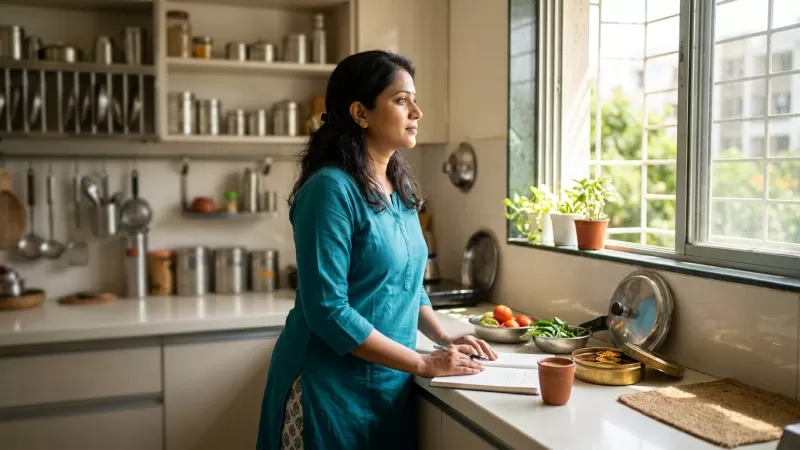
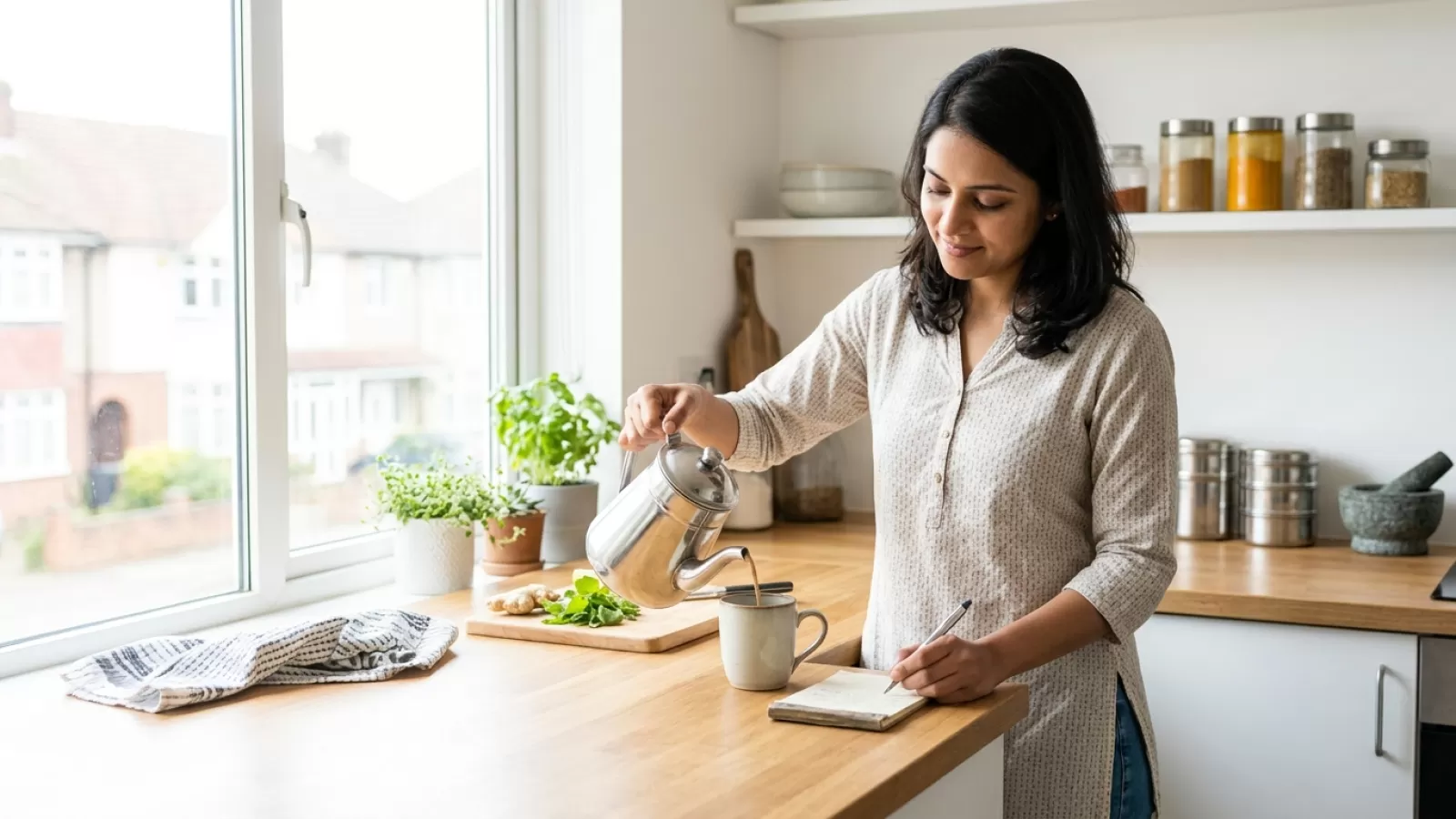
- Mindful chai time: Take your cup of tea or coffee to a window, balcony, or quiet corner. Sip slowly, without checking your phone, and let your mind wander. This tiny ritual gives your system a chance to reset.
- Micro-boundaries: If possible, tell family members, “I just need five minutes,” after a stressful work call or commute. Even a short pause, when respected, can break the chain of daily irritations.
- Mini vent-outs: Some families have discovered that quietly sharing, “Today was full of small annoyances,” at dinner or over dahi can help everyone feel lighter. The act of voicing these minor frustrations out loud often prevents them from sticking around.
- Switching gears with small rituals: Changing clothes after work, washing your face, or lighting an agarbatti can signal to your mind that one part of the day is over, and it’s time to start fresh.
Not every habit will work for every home, but most adults who manage to stop small irritations becoming stress in India have some way—however modest—of letting these moments go before they grow heavy.
When Small Irritations Shape the Mood of an Indian Household
In many Indian families, the mood of the home can shift on days when small daily irritations pile up. For example, a working professional commuting in Bengaluru might come home after a day of traffic jams, power cuts at the office, and missed lunch breaks. They walk in the door and are greeted by a request to pick up milk or answer a question about the TV remote. Suddenly, their answer is sharper than they mean it to be. The family feels the sting, and the evening grows tense, even though nothing big has happened.
Another common pattern is late evenings when everyone has carried a bit too much from their individual days. The dinner table conversation turns short. Someone grumbles about the sabzi, a child complains about homework, and the air feels heavy. The actual reasons for the mood are rarely discussed—but if you look back, you’ll notice each person brought their own bundle of minor frustrations that never got released. Over time, these unspoken small irritations can affect relationships, sleep, and even health, unless someone finds a way to interrupt the pattern.
Knowing When to Reach Out for Help
If you notice that small daily irritations are making you unusually anxious, angry, or withdrawn for many days in a row, it might be time to talk to someone you trust. Sometimes, a conversation with a spouse, sibling, or close friend can help you see things differently. If your mood feels stuck, or if minor frustrations compound in India to the point that you can’t function or sleep well, it’s sensible to consider speaking with a mental health professional. Everyone has tough weeks, but ongoing difficulty with releasing daily irritations can be eased with support.
Common Questions
Many Indian adults find themselves wondering how to lighten the load of everyday annoyances. These questions come up often, especially when daily irritations for Indian adults seem to stick around longer than you’d like. Let’s look at some practical ways to stop small irritations becoming stress in India, with familiar home and workplace moments in mind.
What are the most effective ways for Indian adults to release small daily irritations before they accumulate?
One of the most effective ways is to create small pauses between daily activities. For example, after coming home from work, try washing your face, changing clothes, or sitting quietly with chai before jumping into household tasks. This helps your mind reset. Some families find it useful to talk about their day for five minutes before dinner—just a quick vent to let off steam. Even sharing a laugh over a silly meme or a favourite song during a busy afternoon can lighten the mood and stop minor frustrations from sticking.
How do you address the minor frustrations of Indian daily life — traffic, noise, interruptions — without letting them compound into real stress?
Most people can’t avoid daily stress triggers like traffic jams or construction noise. But you can break the chain. For example, if you’re stuck in traffic, play a favourite song, listen to a podcast, or call a friend (if safe). At home, if noise interrupts your work, step away for a few deep breaths or look out the window for a minute. Many working adults use these micro-breaks to release tension, so each irritation doesn’t carry over into the next part of the day.
Is there a daily practice that prevents small irritations from sticking to the mood the way they do on difficult days?
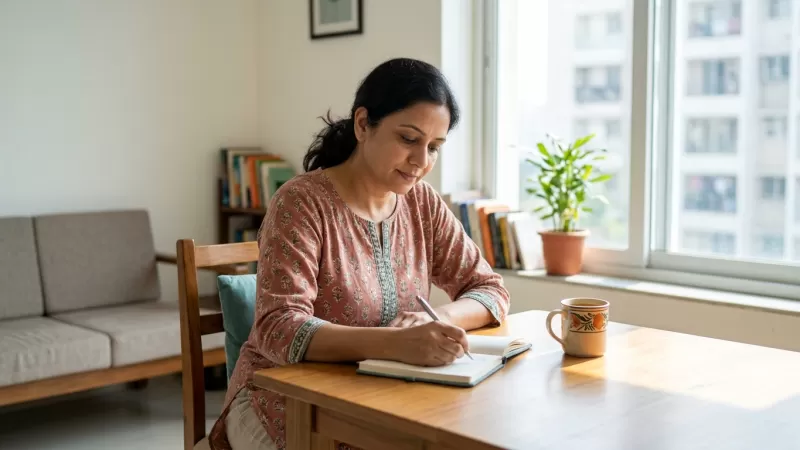
Yes, a small end-of-day wind-down can help. Many Indian families use dinnertime, evening prayer, or a short walk after dinner as a reset. Just ten minutes of quiet—listening to music, reading, or a slow cup of hot milk—can help your mind let go of the day’s little annoyances. Some people find that writing down one or two irritations in a notebook helps clear them out, making it less likely for irritations to carry into the next day.
What is the relationship between small daily irritations in Indian adult life and the larger emotional reactions that sometimes seem disproportionate?
In most homes, big emotional reactions are often about the build-up rather than the one thing that triggered them. When small daily irritations keep stacking up—like constant requests, repeated interruptions, or background noise—they quietly wear down patience. So, when the eighth or ninth small thing happens, the reaction feels much bigger. It’s rarely about that single moment; it’s about all the little ones that came before and were never let go. Recognising this link can help you pause and respond more gently, both to yourself and others.
How do you maintain reasonable patience and equanimity on Indian days that are full of minor friction?
On days when everything feels like it’s testing your patience, even small rituals can help. For instance, pausing for a few breaths before answering a request, listening to soothing music while cooking, or taking a quick walk around your home can create pockets of calm. Many adults find that ending the day with gratitude—recalling one thing that went well—softens the edges of a rough day. It’s not about ignoring irritations, but about giving yourself a chance to reset before they build into something bigger.