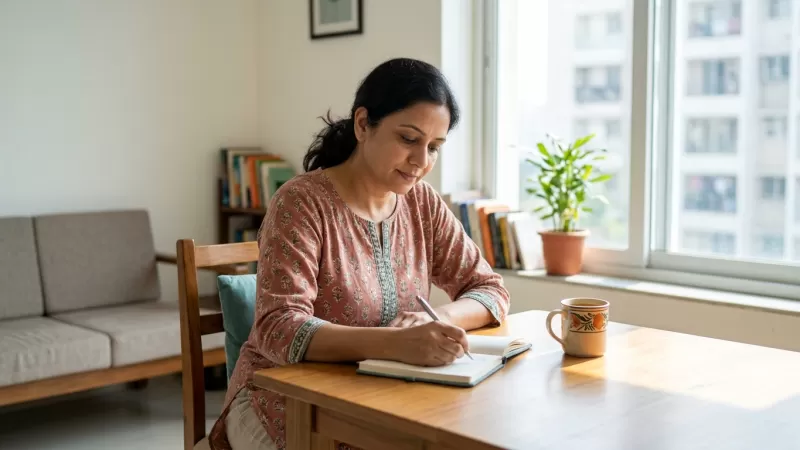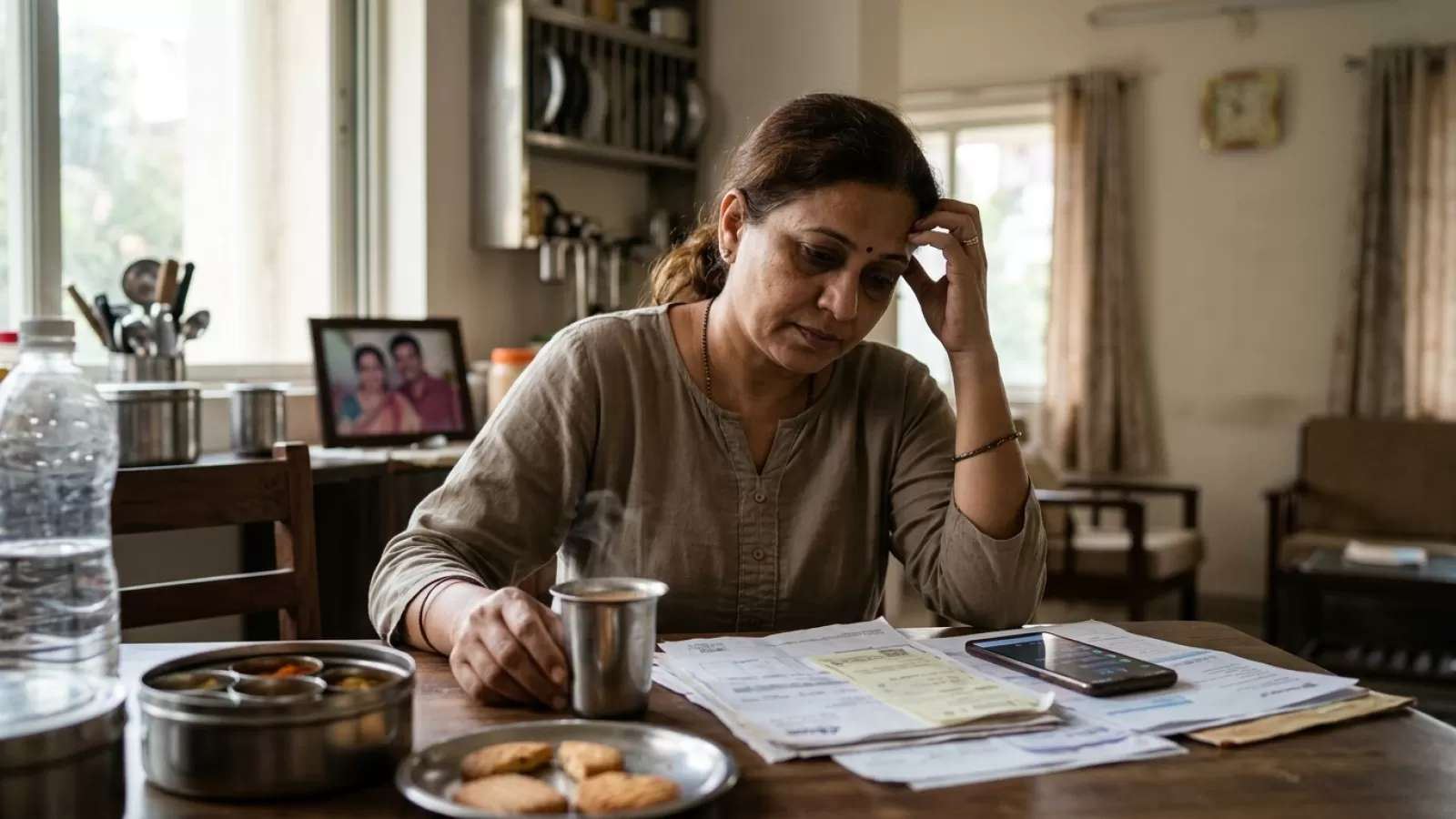
After a long, humid day, someone in a Delhi flat sits down for dinner and realises their shoulders are tight and their jaw aches. Nothing huge went wrong. The geyser broke, a neighbour called at the wrong time, the dal burned just a little, and a WhatsApp message from work arrived at 9pm. These small, everyday events build up. This is how daily stress triggers in India quietly pile up — not with a bang, but as a slow collection of moments that rarely get noticed until the body finally says, enough.
Most Indians don't wake up expecting a big crisis. Yet, by evening, many feel unsettled or irritable, unable to put a finger on why. Recognising stress patterns in Indian adults is tricky because these triggers are woven into the fabric of daily life — traffic jams, shared spaces, unending chores, and those small, unspoken pressures that come with managing work and family together.
Why Daily Stress in India Rarely Arrives All at Once
In Indian homes, daily stress triggers India are more like a slow leak than a burst pipe. The reason is simple: most days are filled with a steady stream of small demands. A Bengaluru commuter waits for a bus that never comes on time. A homemaker juggles calls from school, cooks two types of sabzi, and manages a parent’s medicine schedule. A working parent checks work emails while supervising homework. These are not dramatic moments, but they leave their mark.
In many families, everyone shares space, time, and attention. There are few boundaries between work and home, especially for those working from home in smaller flats or with joint family setups. Power cuts, water issues, and the unpredictability of daily life add to the strain. Over time, these little stress points become hard to separate from the normal rhythm of the day. People often feel their tension only after it has already built up, making identifying stress patterns in Indian adults a challenge.
The Invisible Accumulation: Why Stress Builds Without Us Noticing
Most daily stress triggers India stem from repeated, minor disruptions. The tricky part is, Indian adults are taught to adjust — to "manage". If the milk boils over while you’re on a call, you wipe it up and move on. If you miss your metro, you squeeze into the next one. If you’re scolded by your boss or a family member, you swallow it. This constant adjustment means stress rarely feels big enough to name.
Work-from-home setups have blurred the lines further. The phone rings while you are rolling chapatis. Children need help with online classes during meetings. All this multitasking creates a background hum of tension. Stress trigger awareness in Indian life is low because so much of this feels normal, even expected. Quiet frustrations — an ignored message, a sibling’s loud phone call, a pile of ironing staring at you from the corner — often go unnamed but add up.
Mental health counsellors often find that Indian adults only notice stress when the body starts to complain — a headache that won’t go, a stiff neck, a sudden urge to snap at someone. By then, it’s already late in the day, and the triggers have blended into one big feeling of unease.
Clues That Daily Stress Is Accumulating
- Physical tension at odd times. Many people notice their jaw, shoulders, or stomach feel tight by evening, even when nothing “serious” happened that day. This is often the body’s first sign.
- Feeling irritable without a clear reason. You snap at someone over a small thing — the fan being too slow, the TV being too loud — and then feel puzzled about why it bothered you so much.
- Restlessness during routine activities. In the middle of folding clothes or waiting for the pressure cooker whistle, you feel an urge to pace or sigh, not knowing why you can’t settle down.
- Unusual forgetfulness. You misplace keys, forget if you added salt to the sabzi, or struggle to remember what you came into a room to do. This is a common signal that stress is quietly building up.
- Sleep that does not refresh. Waking up tired even after a good night’s sleep is often a sign that the mind has been carrying invisible stress triggers through the night.
Everyday Actions That Help Break the Cycle
- Name the moment, even briefly. When you notice tension in your body or mood, pause and ask yourself, "What small things happened today that might be adding up?" You don’t need to write it down. Sometimes, just saying it aloud to yourself helps.
- Find one small boundary. In many homes, setting a five-minute tea break without screens or calls — even if it means sitting beside the gas stove — gives the mind a chance to reset. It’s about making a little space, not changing your whole day.
- Share your day's "small things" at dinner. Many families in Indian cities have quietly discovered that sharing one “silly” thing that irritated them helps everyone feel lighter. It could be the autorickshaw driver’s rude reply or the WiFi acting up. Naming these moments out loud can sometimes break their hold.
- Notice rhythms, not just events. Recognising stress early in India often comes down to spotting which times of day usually feel most tense. Is it just before dinner, or during that last hour before bedtime? Once you notice a pattern, you can start to expect — and soften — those moments.
- Let go of being perfect. In many Indian households, the urge to “manage everything” perfectly is strong. Reminding yourself (and each other) that it’s okay to let some things slide — a little extra salt in the dal, a missed call — can make a surprising difference.
How Stress Triggers Appear in Ordinary Indian Routines
In a Kolkata apartment during the monsoon, laundry never seems to dry. Someone sighs as they drape yet another towel over the window grill. In a Pune home, the pressure cooker whistle startles everyone during an important Zoom call. In a Chennai house, the power goes out just as it’s time for the evening news, leading to a scramble for emergency lights and a chorus of complaints. These are not disasters, but each is a daily stress trigger India deals with regularly.
For many, the moment of realisation comes when the body finally reacts — a headache, a stomach upset, or that tightness in the chest as the day winds down. It’s rarely just one event. It’s the steady, invisible build-up of many little things, shaped by the patterns and rhythms of Indian family life.
Recognising When Daily Stress Needs Outside Support
If you find that stress signs — body tension, mood changes, sleep problems — are showing up almost every day for weeks, or if you feel unable to shake off a constant sense of unease, it may be time to speak with a trusted family member or a counsellor. Sometimes, the pattern of stress becomes too much to manage alone, especially when it starts to affect your health or relationships. It’s always okay to ask for support, even if the triggers seem small or hard to name. If you notice physical symptoms that worry you, consider speaking to a doctor.
Common Questions
Most Indian adults grow up learning to "adjust" or "manage" stress, but rarely talk about how it feels as it’s building up. If you’ve ever wondered how to spot daily stress triggers India before they take over, you’re not alone. Here are some common questions that come up in many homes, with examples and thoughts drawn from real Indian routines.
How do Indian adults learn to recognise stress building in the body before it becomes overwhelming?
In Indian homes, people often start to notice stress when their body feels different — maybe a headache by the evening, or a heaviness in the chest during traffic. Many learn, over time, to pay attention to these early signals. Some families talk about their “bad mood days” or “tension time” after work, which helps normalise the idea that stress can build up quietly. Others rely on a trusted friend or spouse to point out when they seem more irritable or tired than usual. The key is learning to spot these changes in yourself, even if they seem small, and giving yourself permission to pause.
What are the most common daily stress triggers in Indian working and home life that people rarely name?
Common triggers include crowded commutes, power cuts, noisy neighbours, unexpected guests, and shared household chores that never seem to end. For working professionals, it’s often the late-night work messages or last-minute deadlines. In joint families, it could be the lack of privacy or constant interruptions. Many people rarely name these as stress triggers because they’re seen as part of “normal life.” Yet, these small, repeated irritations are what tend to add up and cause tension by the end of the day.
Why does daily stress in India so often feel impossible to explain even to oneself?
Daily stress in India is usually a collection of small, seemingly insignificant events. Because Indian adults are used to adjusting and not making a fuss, these triggers blur into the background. Over time, people get used to carrying a certain level of stress, so unless something very big happens, it’s hard to separate the cause from the feeling. Also, because talking openly about stress is still uncommon in many homes, it often remains unnamed and unexplained, even to ourselves.
How do you break the cycle of daily stress accumulation without changing everything about your life?
Small steps work best. Many Indian adults find relief in short pauses — a cup of chai on the balcony, five minutes of silence before bed, or sharing a minor irritation with a family member. Setting even a tiny boundary, like a no-phone dinner or a quiet early-morning walk, helps. It’s not about overhauling your routine, but about noticing which moments tend to feel most tense and gently adjusting those, bit by bit. Often, the smallest changes lead to the biggest sense of relief.
What is the difference between useful motivating stress and harmful accumulated stress in Indian adult life?
Useful stress, like getting the house ready for a festival or meeting a work deadline, often comes with a sense of purpose and ends with a feeling of accomplishment. Harmful accumulated stress, on the other hand, feels heavy and lingers — it comes from many small triggers that never get addressed. In Indian life, motivating stress can bring families together to tackle a challenge, while harmful stress tends to leave people feeling isolated, drained, or irritable. Recognising which is which comes with practice and honest conversations at home.