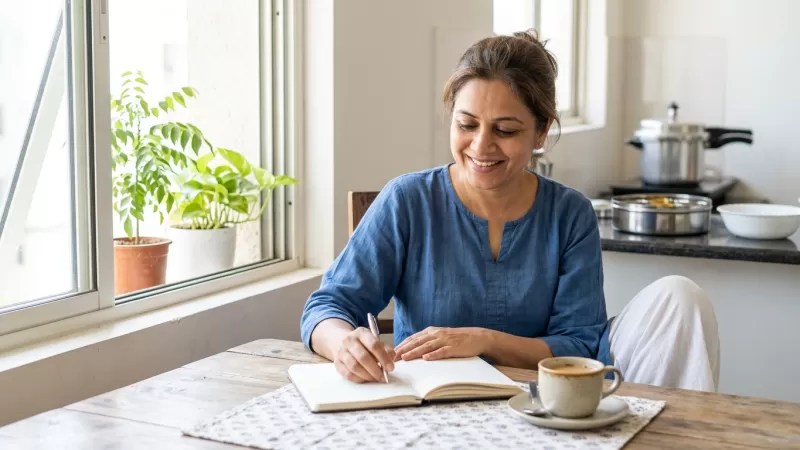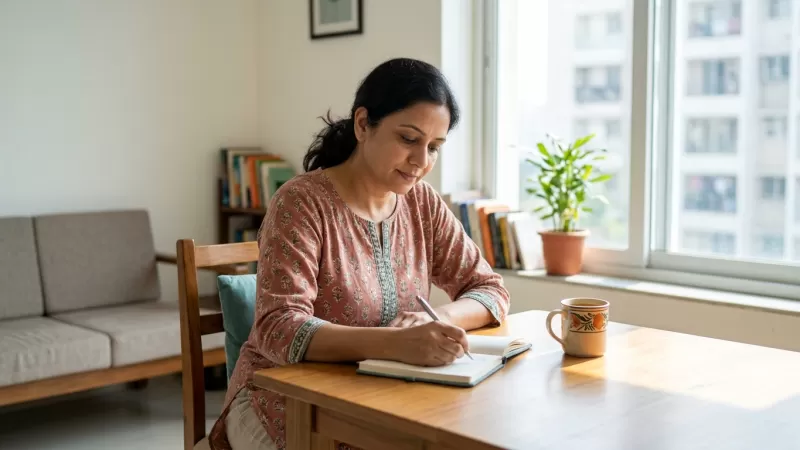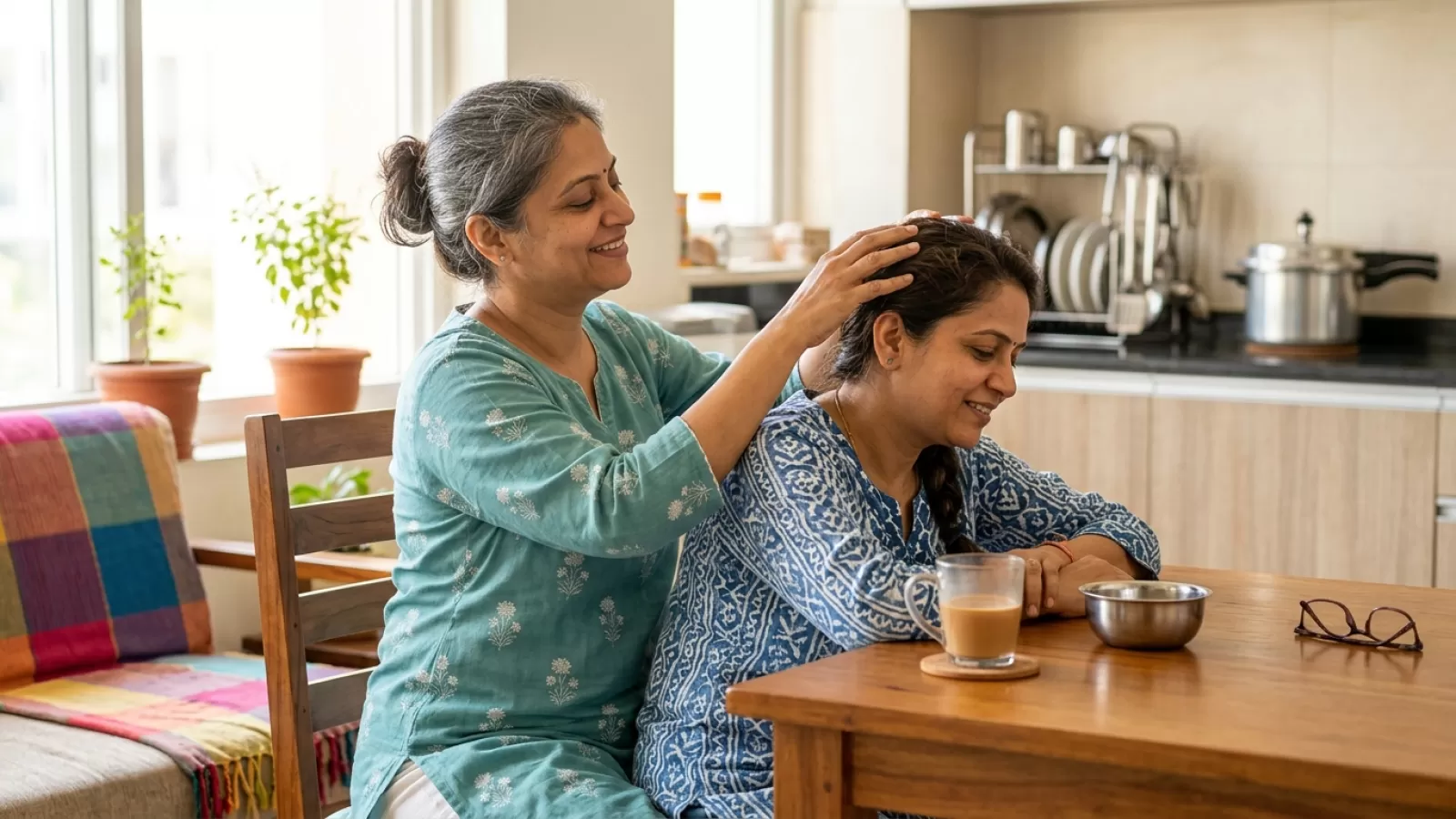
Some evenings, you’ll find an adult in the kitchen, quietly shelling peas or chopping lauki while the pressure cooker hisses in the background. The house is full, the TV is on, and yet in that small circle of light, there is a sense of gentle focus — not formal meditation, but a softer relaxation technique many Indian adults discover almost by accident. Softer relaxation techniques in India often look like these unplanned pauses, where hands are busy and worries feel a little less sharp, even if only for a while.
Many who try to sit for formal calm practices — meditation, guided breathing, or strict mindfulness — end up feeling more restless. In fact, for a large number of Indian adults, absorbing themselves in a practical task often brings more genuine calm than any prescribed stillness. This kind of relaxation is easy to miss, but it is real, and it works differently for each person.
Why Many Indian Adults Find Formal Calm Practices Difficult
In homes across India, quiet is rare. Even late at night, you might hear a neighbor’s mixer, a distant train, or the hum of a ceiling fan cutting through the humidity. When you finally get a moment alone and try to practice formal relaxation — sitting cross-legged, focusing on your breath, or listening to a guided meditation — the silence can feel uncomfortable. Thoughts rush in. Unfinished chores, work deadlines, or the memory of a conversation from last week all seem louder than before.
This is not a failure of discipline or will. For many, the nervous system simply doesn’t settle when asked to be still on command. Instead, calm arrives when you are absorbed in something purposeful yet gentle, like tidying a drawer, folding clothes, drawing rangoli, or even playing a casual game of cards. In many Indian homes, these moments are the real alternatives to meditation, where calm and relaxation are woven into daily routines without any formal practice.
Much of this comes from the way Indian households function — shared spaces, joint families, and a rhythm of constant small tasks. There’s rarely a perfectly silent corner. So, many adults discover their own softer relaxation techniques in India, often through activity rather than stillness.
Why Direct Stillness Can Feel Unsettling in Indian Homes
There’s a reason why certain relaxation advice doesn’t land for everyone. When you sit in formal meditation, your mind has nowhere to hide. All the open loops — unpaid bills, the extra spoon of sugar in the chai, the WhatsApp group you’ve muted for peace — come tumbling forward. For some, this amplifies anxiety rather than quieting it.
Adults who grew up in busy, multi-generational homes often learn to tune out background noise by doing something with their hands or bodies. It’s a survival skill. The tricky part is, this means their nervous systems associate calm with gentle movement, not with forced stillness. Psychologists who counsel Indian families often find that direct, intentional calm is less effective for adults used to constant sensory input — for them, absorption in a familiar task offers a more reliable route to relaxation that works in India.
There’s also the pressure to “do calm the right way.” If you’re the sort who feels judged for not meditating, it can add another layer of tension. The truth is, softer relaxation techniques India offers are often less about sitting quietly and more about losing yourself in something small and satisfying.
Clues That Formal Calm Practices May Not Be the Right Fit
- Stillness makes you restless: After just a few minutes of sitting quietly, your mind races with worries, reminders, or even irritation.
- You relax best while doing: Chopping vegetables, watering plants, or even ironing clothes gives you a sense of calm that sitting still does not.
- “Proper” relaxation feels like a chore: You dread or avoid meditation apps, guided breathing, or anything that feels like homework.
- Family interruptions break your focus: In shared homes, even a five-minute meditation is interrupted by a phone call, a doorbell, or someone needing help.
- Absorption brings relief: You notice that after an hour spent fixing a broken drawer or arranging books, you feel lighter and more at ease than after any formal practice.
Gentle Habits That Bring Genuine Calm Without Formal Practice
- Absorptive chores: Try focusing on a single, repetitive task — kneading dough, polishing brass, or stringing jasmine. Let your hands find their rhythm. Many adults find real calm without formal practice this way, especially in the late evening before dinner.
- Creative distractions: Drawing kolam, writing a small note, or even rearranging the spice box can quiet the mind. It’s not about the result — it’s about the absorption.
- Nature moments: Sometimes, stepping onto the balcony with a cup of chai during monsoon, watching the rain, or tending to balcony tulsi gives the nervous system a signal to slow down. These are softer relaxation techniques India quietly offers, especially in city apartments where outdoor space is limited.
- Manual puzzles and games: Playing carrom, solving a sudoku in the morning paper, or even sorting through a box of old photos can give your mind something gentle to chew on, letting deeper worries settle.
- Cooking for calm, not speed: On days when you’re not rushed, choose to cook something that takes time — slow-roasted baingan bharta, homemade laddoos, or even just rolling out soft rotis with care. The process itself becomes a kind of moving meditation, a real alternative to meditation India kitchens have always known.
How Absorptive Relaxation Looks in Everyday Indian Life
In many Indian families, the day starts with movement. Someone is soaking rice, another is sweeping the verandah, a child is packing the tiffin box. These are not just chores — they are often the way adults steal a few minutes of calm without anyone noticing. During long power cuts in the summer, you might spot someone sitting near a window, shelling peas, and watching the street below, letting the heat and noise fade into the background.
A working professional commuting in Bengaluru might find the only peaceful part of their day is listening to old film songs on the way home while watching the city blur past. Many families in Indian cities have quietly discovered that relaxation that works in India is less about formal practice and more about finding moments of gentle absorption in whatever the day allows.
Recognising When You Might Need Extra Help
Sometimes, no amount of distraction or gentle activity brings real relief. If daily stress feels unmanageable, if sleep is always poor, or if anxiety spills into every part of life, it might be time to speak to someone qualified. Indian adults often hesitate to ask for support, believing they should handle things alone, but reaching out to a professional — even for a single session — can help you find the approach that works for your unique nervous system.
Common Questions
Many adults in Indian homes wonder if their way of relaxing is valid, especially when formal calm practices don’t seem to fit. It’s common to feel a little out of place when everyone around you swears by meditation or breathing exercises, but finds you restless and irritable. Let’s talk through some of the most common questions about relaxation that works in India, with a gentle focus on real household rhythms.
What are the most effective relaxation approaches for Indian adults who genuinely cannot sustain formal practices like meditation or breathing exercises?
For those who struggle with formal relaxation, softer relaxation techniques India has always offered tend to work best. Chores that require gentle focus — like preparing dough, gardening, or even handwashing clothes — can become calming rituals. Some adults find calm without formal practice by listening to music, solving puzzles, or crafting. The key is absorption in a task that feels natural, not forced. In many homes, cooking an elaborate Sunday lunch or cleaning brass lamps before Diwali brings more peace than sitting quietly in a corner.
How do you find the relaxation approach that works for your specific nervous system when conventional advice does not apply?
The best method is to notice what makes you lose track of time in a pleasant way. If you feel most relaxed after arranging your bookshelf, tending to plants, or making rangoli, that’s your nervous system showing you its preference. Many discover their alternatives to meditation India style by observing when they feel lighter — often after manual, repetitive work or creative play. Experiment without pressure and allow yourself to trust what feels right, even if it’s not what’s usually recommended.
Is it possible to achieve genuine nervous system calm through activity and absorption rather than through stillness?
Yes, it is common in Indian homes for adults to reach real calm through absorbed activity. Relaxation that works in India often comes from being fully present in a simple task, whether it’s sweeping, hand-grinding spices, or painting. While formal stillness works for some, many adults find their bodies and minds relax better when gently occupied. The nervous system can settle deeply during these moments, even if you are not sitting still in the traditional sense.
What makes some Indian adults better suited to active relaxation than quiet relaxation?
Growing up in busy, multi-generational households trains your mind to focus amid background noise and movement. Over time, the body associates calm with gentle action. Fitness coaches who train working adults often find that most movement in Indian homes comes from daily tasks, not planned exercise. Many Indian adults simply feel more at ease when their hands are busy or their attention gently occupied — it’s just how their nervous systems have adapted over the years.
How do you explain to people who recommend formal relaxation that a different approach works better for you without seeming like you are making excuses?
You can gently say, “I’ve noticed I feel calmer when I’m doing something with my hands, like cooking or gardening. Sitting still doesn’t help me as much.” Many families respect practical experience, so sharing how you feel after certain activities can help others understand. If someone insists, you might add, “I’ve tried, but I find relaxation that works for me is a little different — it helps me feel lighter by the end of the day.” Most people appreciate honest sharing, especially when it’s about what genuinely helps.