Even before the sun is up, tension starts making quiet entries into many Indian homes. A kettle whistles, someone hunts for missing socks, and a phone buzzes with early emails. These daily tension release habits in India are often not grand rituals, but small, almost invisible actions—a deep sigh after packing lunchboxes, a stretch while waiting for the cooker’s third whistle, a moment of silence during morning chai.
The tricky part is, the tension doesn’t wait for a crisis. It builds up bit by bit, hiding in stiff shoulders or that restless feeling by evening. Adults who catch it early—with small, regular habits—tend to prevent stress from building in India, keeping big meltdowns at bay. It’s less about dramatic solutions, more about what you quietly do every day before the pressure feels unmanageable.
Why Small Tensions Multiply in Indian Households
In many Indian homes, tension seeps in with familiar rhythms. A mother trying to balance a conference call with her child’s homework, a father navigating power cuts during online meetings, or a grandparent waiting for lab results while the TV blares cricket commentary—these are daily moments where stress release for Indian adults doesn’t always get priority.
Unlike sudden shocks, most tension in Indian adult life gathers slowly. Morning chaos, delayed commutes, tight deadlines, or even the expectation to manage household chores without fuss—it all stacks up. Meals are late, the help is absent, and someone has just spilled tea on freshly washed uniforms. In these moments, tension management habits in India tend to get overlooked. Instead, there’s a quiet hope that things will somehow ease up in the evening or over the weekend.
But here is the catch: waiting for a day off rarely works. Tension that isn’t released daily quietly settles in the body and mind, often turning small worries into bigger issues by week’s end. Many families in Indian cities have quietly discovered that daily tension release habits in India—like stretching between household tasks, taking two undistracted minutes with evening chai, or even humming along to a favourite song—are what keep stress from building into something unmanageable.
How Everyday Pressures Become Physical and Emotional Stress
Adults in Indian homes often live in shared spaces, with little personal time. Work-from-home setups bleed into living rooms, and joint family expectations mean someone is always around. In this environment, minor irritations—like a noisy neighbour, Wi-Fi going down during a meeting, or a spouse’s offhand comment—rarely get expressed or resolved right away. These small moments can add up.
Physical tension shows up too: long hours at a laptop, carrying heavy grocery bags, or standing at the stove during summer heat. Over time, this constant low-level strain leads to tight shoulders, stiff necks, or that nagging lower back ache by evening.
Here’s something interesting: Yoga teachers working with Indian families often find that most adults don’t realize how much daily tension they carry until it causes headaches or sleep problems. Many people wait for big signs, but the real shift happens when you catch stress in its quieter stages—before it becomes a weekend meltdown or a sudden outburst over an empty milk packet.
Unresolved emotional tension—like not saying what you feel about a sibling’s comment or a colleague’s unfair demand—often turns into physical symptoms. That’s why even simple daily tension release habits in India, like rolling your shoulders or taking a few deep breaths in the bathroom, can make such a difference.
Clues You Might Be Carrying More Tension Than You Realize
- Persistent Muscle Stiffness: Your neck or shoulders feel tight, especially after a long day, even if you haven’t exercised.
- Shorter Fuse Than Usual: Small things—like a misplaced house key or a slow internet connection—bring out bigger reactions than they used to.
- Restless Sleep: You find yourself waking up at 2am worrying about unfinished tasks, or you wake up even more tired than when you went to bed.
- Frequent Headaches: That slow, dull ache around your temples or eyes tends to arrive late afternoon, especially on days with back-to-back calls or household demands.
- Difficulty Focusing: You start reading the same WhatsApp message or email three times, and still forget what it said.
In many homes, these signs are brushed aside as “just tiredness,” but they are often the body’s way of asking for simple, regular tension management habits in India.
Daily Actions That Often Help Before Tension Builds Up
- Quick Neck and Shoulder Rolls: Many working professionals in Bengaluru and Mumbai have quietly found that a few minutes of slow neck rolls and shoulder shrugs—even while waiting for tea to boil—can prevent that familiar evening headache. Try rolling your shoulders back and forth five times, then gently dropping your head forward and side to side.
- Micro-Breaks During Household Chores: Instead of powering through all the chores, pause for a minute after each major task. Lean on the kitchen counter, flex your fingers, or just stand still and take five slow breaths before moving on to the next job. These pauses are a form of daily tension release habit India families can build in without much effort.
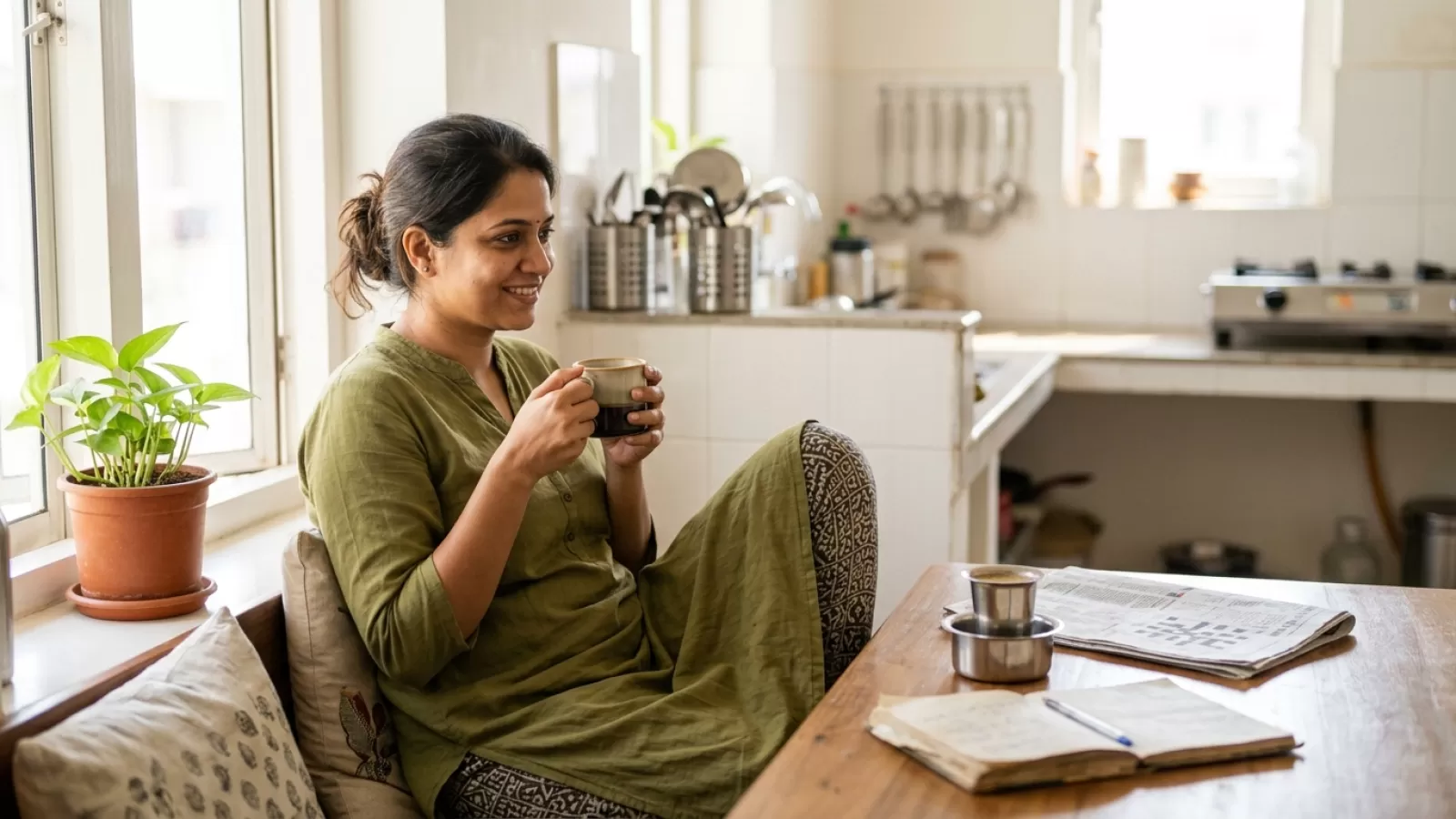
- Evening Chai in Silence (or with Music): After long workdays, some adults have learned to claim the first five minutes of evening chai for themselves—no TV, no phone, just the sound of the pressure cooker or a favourite old song. This simple habit often signals the body to slow down and let go.
- Express Minor Frustrations Early: Letting small annoyances build up tends to make Saturday arguments bigger than they should be. If someone’s comment stings or a task feels unfair, try to mention it gently the same day—maybe during a walk, over dahi, or while folding laundry.
- Gentle Movement After Dinner: Many families walk together after dinner, even if it’s just a few rounds of the building. This light movement, especially after a heavy meal of dal-roti or khichdi, helps the body reset and releases built-up physical tension.
Some of these steps might sound too simple, but they tend to work best when done daily—almost like brushing your teeth. You don’t wait for a cavity before you start brushing, and you don’t wait for a meltdown before you try these habits.
What Daily Tension Release Looks Like in Indian Homes
In many Indian families, you’ll spot subtle habits that prevent stress from building. A homemaker in Chennai might do a gentle forward bend after mopping the floor. A teacher in Kolkata might take deep breaths while waiting for her auto in the morning. A senior in Pune quietly massages his own hands with oil before bed, easing the day’s tension away.
Some working professionals use their lunch break for a brief walk on the terrace or to water balcony plants—tiny actions that don’t take much time, but help with stress release for Indian adults daily. These habits are rarely announced, but they make a noticeable difference by the end of the week.
During humid summers, when tempers run short and everything feels sticky and slow, families who have built daily tension release habits in India—like stretching after a power cut or chatting over poha instead of scrolling through phones—tend to report fewer arguments and more restful sleep.
When Everyday Habits Are Not Enough
If you notice that tension is making it hard to do normal activities—like getting out of bed, managing work, or enjoying time with family—it may be time to talk to someone. When headaches, stomach problems, or low moods last for weeks, or when tension leads to angry outbursts or tears without clear reason, simple daily tension release habits in India might not be enough.
It’s always okay to reach out to a trusted friend, family member, or doctor. Sometimes, outside support is what helps you reset and find new ways to prevent stress from building in India.
Common Questions
Most Indian families have their own ways of handling tension, but some questions tend to come up again and again. If you’re wondering how these habits fit into your own routine—or how to spot when tension has become something more—these answers might help you find gentle, practical ways forward.
What are the most effective daily habits for releasing accumulated tension before it becomes significant stress?
In many homes, it’s the simple daily tension release habits in India that matter most—like taking a minute to stretch the neck and shoulders after long screen time, sitting quietly with evening chai, or pausing before starting a new household task. Even five minutes of gentle movement after dinner, a quick chat with a family member to share small worries, or humming along to a favourite song can help prevent stress from building in India. The trick is to choose small actions and do them regularly, not just when you feel overwhelmed.
How do Indian adults know when they are carrying physical tension without consciously noticing it?
Often, it shows up as subtle changes—like feeling stiff while getting up from the sofa, or realizing your jaw is clenched while watching TV. Many adults in Indian households only notice tension when they get frequent headaches, restless sleep, or become unusually irritable over small things (like someone leaving the fan on). Paying attention to these small signs can help you spot tension early, before it becomes bigger stress.
What is the relationship between unresolved daily emotional tension and the physical stiffness Indian adults carry in their neck and shoulders?
In Indian homes, when emotions are not expressed—like frustration with work, or worry about a family member—they often settle in the body. Many adults experience tight shoulders, neck pain, or even backaches after days of unspoken stress. This physical discomfort is the body’s way of holding onto unresolved emotional tension, which is why daily tension release habits in India, like gentle stretching or honest conversations, tend to help both mind and body.
How do you build a daily tension release practice into an Indian adult life that has almost no spare time?
It helps to tie new habits to things you already do. For example, while waiting for the dal to cook, do a quick shoulder roll. Stretch your arms after folding clothes, or take a few deep breaths before your first cup of chai. Many Indian adults find that these micro-habits fit naturally into busy routines and slowly become as automatic as brushing your teeth. Even short breaks—just a minute here or there—can help with stress release for Indian adults daily.
What are the signs that daily tension in Indian adults has accumulated to a level that requires more than simple daily habits?
If you find it hard to enjoy things you once liked, struggle to get out of bed, or notice that tension leads to frequent arguments, tears, or physical symptoms like constant headaches or stomach pain, it might be time to seek extra help. Indian families sometimes notice these changes before the person does, so if a loved one points out a shift, it may be worth talking to a doctor or counselor. Sometimes, daily tension release habits in India need to be paired with professional support.
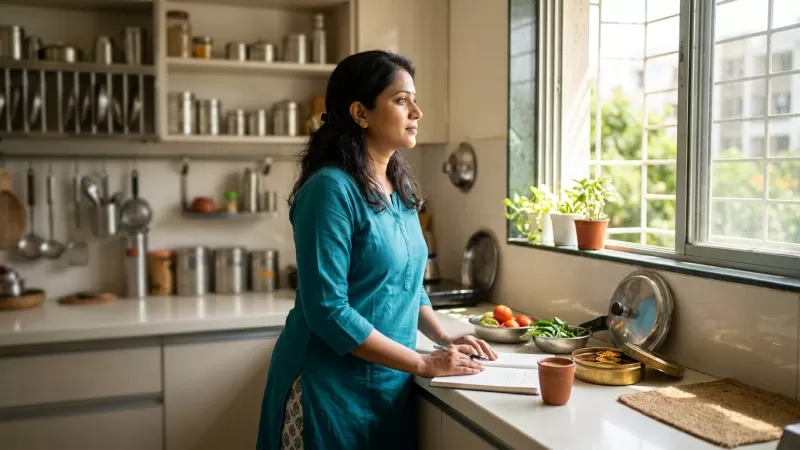
A kitchen in Nagpur at 6am: The fan hums, the window lets in a warm breeze, and the only sound is the soft clinking of a steel glass. Someone pauses, stretches their arms high to the ceiling, and lets out a long, slow breath—just a small, daily habit to keep tension from taking root before the day has even begun.