In many Indian homes, the moment the front door clicks open after a punishing commute, the house is already winding down. The TV might be on low, tiffin boxes are rinsed and stacked, and the aroma of leftover dal or sabzi hangs in the air. For families where a parent’s daily return is more a late-night cameo than a homecoming, staying connected family Indian commute becomes a quiet, daily challenge.
The reality? Most evenings, there’s barely time for a quick meal, a brief chat, and a few precious minutes with children or spouse before the household's lights dim. In homes where the commute eats into family time India, those 90 minutes or less after returning from work often decide how present—not just physically, but emotionally—you can actually be for your loved ones.
Why Indian Evenings Feel So Rushed After Long Commutes
For many households in Indian cities, the working parent’s arrival is set by the local train schedule, traffic snarls on the Outer Ring Road, or the unpredictable timing of office shuttles. Maintaining family bonds long commute India is not just about presence—it's about what happens in that sliver of evening time left.
With joint family setups, working couples, and children’s early bedtimes, the hours between 8:30 and 10pm are often the only overlap in everyone’s day. Add in dinner, homework, and the need for a bit of rest, and the time for genuine connection shrinks even further. The tricky part is, this is not rare. In cities from Mumbai to Gurgaon, such compressed evenings have quietly become the norm for crores of families.
Sometimes, the parent who walks in late finds the younger child already asleep, or the spouse already tucked in, headphones on. The only chance to be more than a ghost in your own house is to carve out deliberate habits that protect family time despite commuting India.
What Makes the Evening Window So Narrow?
The reasons run deeper than just traffic. There’s the cultural expectation to keep work and home separate, which means very few Indian adults bring work stress or office calls into the main living spaces. Family dinner still holds value, but it often gets squeezed into the last available minutes.
Workplaces in Indian metros rarely stick to their official closing hours. When the boss leaves late, everyone leaves late. For those living in city outskirts or satellite towns, travel can eat up 2-4 hours daily. Add to this the household rhythm: elders prefer early dinners, kids’ schools start at dawn, and there’s little wiggle room for shifting routines.
Family therapists who work with urban Indian families often find that most connection rituals—like eating together or sharing evening chai—have become more precious, not less, as commutes lengthen.
What’s left is a narrow window where every minute counts. And because everyone is tired, the risk is that evenings become silent, functional, and forgettable.
Everyday Signs That Commuting Is Weakening Family Connection
- Conversations shrink to logistics: Many evenings, chats are limited to “Did you eat?” or “Where’s the tiffin?” instead of real conversation.
- Children stop waiting up: Kids who used to stay awake for a parent’s return start falling asleep, sometimes without even a goodnight hug.
- Meals together become rare: Family dinners turn into solo late-night eating, with plates reheated in the microwave.
- Spouses become functional partners: Interactions are about bills, chores, and reminders—not shared laughter or support.
- Weekends feel pressured: The urge to “make up” for missed time can make weekends feel more stressful than restful.
Small Habits That Help You Stay Present in 90 Minutes
- Protect one non-negotiable ritual: In many homes, a 10-minute bedtime story, prayer, or chat with a child is fiercely guarded—even if everything else slips. The habit matters more than the activity itself.
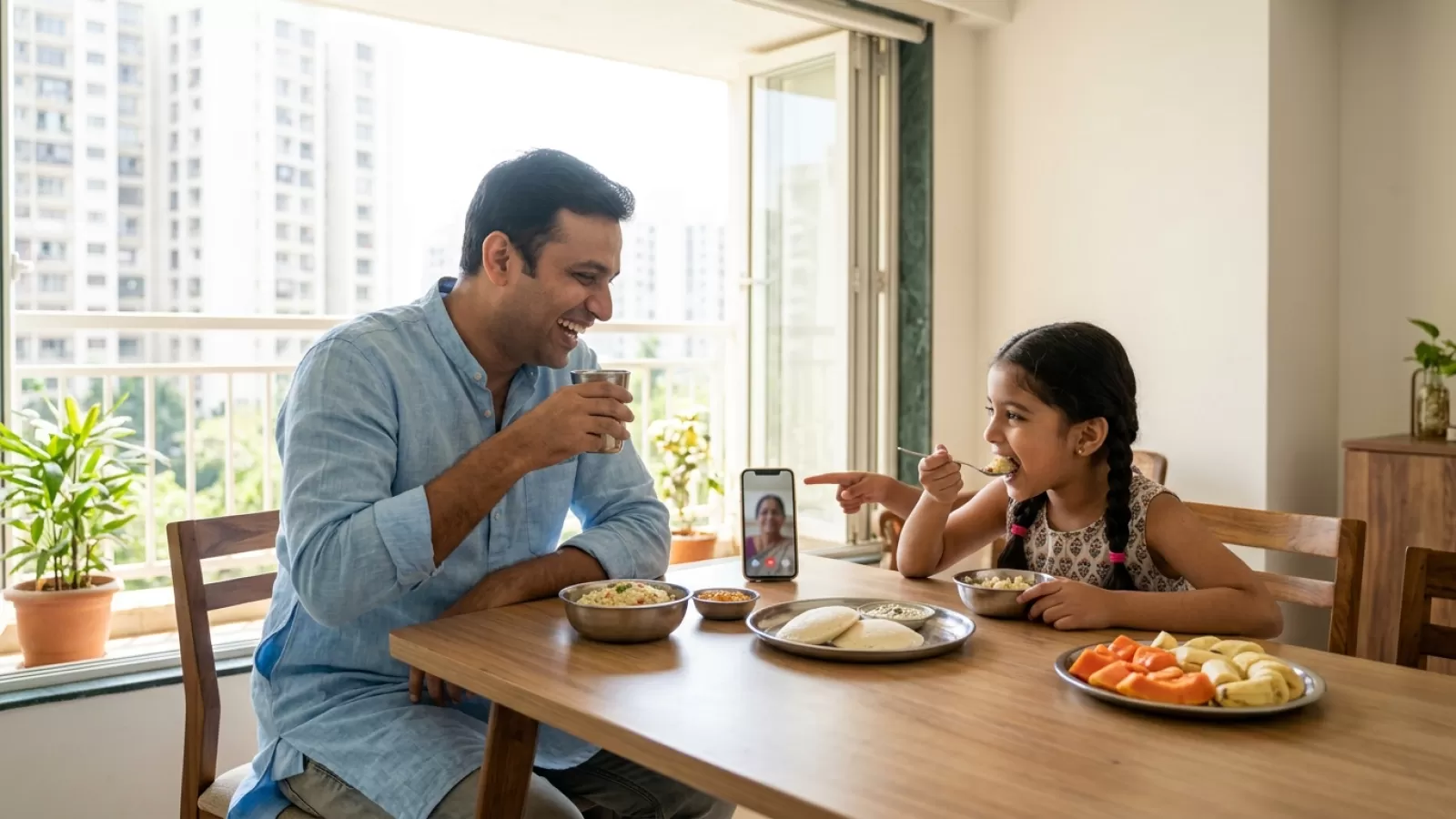
- Eat one thing together, even if it’s small: Some families share a bowl of dahi, cut fruit, or a late chai as the only shared moment. This tiny act anchors everyone, no matter how brief.
- Use transition time wisely: Take two minutes to change clothes, wash your face, and mentally “arrive” before stepping into the family space. This helps you bring your best self, not just your tired self.
- Have a weekly marriage check-in: For couples whose schedules barely overlap, one small ritual—like sharing poha on Friday nights, or chatting on the balcony after everyone else sleeps—can keep the bond alive.
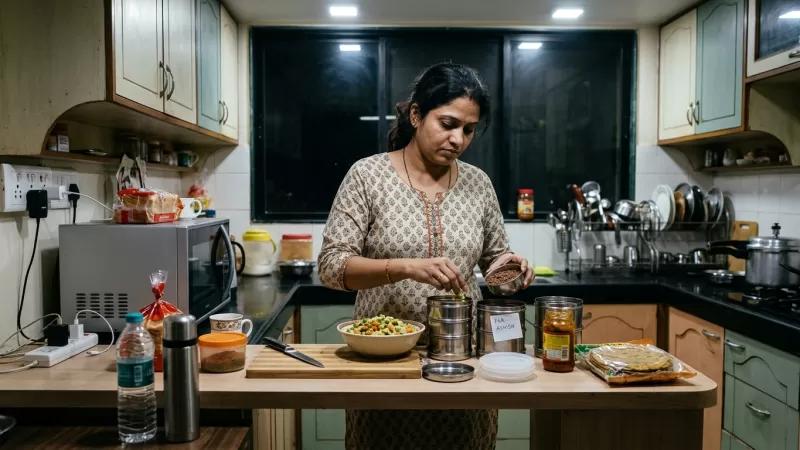
- Leave notes or recordings: When you can’t be present, leaving a sticky note in a lunchbox or a short voice message can bridge the gap. Children, especially, remember these small gestures.
Not every habit will work for every home. The key is to pick one or two that feel realistic, and to treat them as sacred, not optional. Over time, these little patterns become the glue that holds the household together despite the commute eating into family time India.
Where You’ll Notice This Most: The 10-Minute Rituals That Count
Across Indian cities, a familiar pattern shows up in late evenings. The working parent steps in after 9pm—sometimes greeted by the faint sound of cartoons still flickering on, sometimes just the hum of the fridge and the clink of plates being stacked away. There may be no grand conversation, but a child sleepily waits for a quick story or a gentle back rub. That 10-minute routine is fiercely protected, even if the day has been chaotic.
In some homes, it’s the spouse who takes five minutes to sit on the balcony, sip chai, and ask, “How was your day?”—no matter how tired either of you feels. These tiny rituals are the real answer to maintaining family bonds long commute India. They may seem too small to matter, but over years, they build a sense of presence and belonging that outlasts any single missed dinner or bedtime.
And in joint families, often a grandparent will quietly step in, making sure the latecomer’s plate is set aside, or a favourite sabzi is kept warm. These gestures, though silent, are part of the invisible web that keeps families connected even when most of the day is lost to travel.
When It’s Time To Ask For Help
If you notice that everyone is always tired, snappy, or drifting apart—and none of your small rituals seem to help—it’s okay to talk to someone outside the family. Sometimes, a trusted family elder, a friend, or even a counsellor can help you find new patterns or solutions. When the commute eating into family time India starts to affect your health, marriage, or children’s well-being, it’s time to consider if something needs to change. There’s no harm in seeking help if you feel your home is losing its warmth.
Common Questions
Many families quietly wonder how others manage to stay close when the clock is always against them. You’re not alone in feeling that the evenings slip away too fast. Here are some thoughts on the everyday questions that come up in Indian homes about staying connected family Indian commute and making those short windows count.
How do Indian adults maintain genuine family connection when the commute leaves almost no evening time with the household?
In households where evening time is short, many adults focus on one or two small, reliable rituals. For example, a parent might always sit beside their child as they fall asleep, even for just five minutes, or a spouse might wait up for a quick cup of chai. Even when the day is packed, these moments become anchors. While routines may change with seasons or school exams, having even a tiny daily connection—like a gentle back rub, a shared joke, or packing tomorrow’s tiffin together—keeps relationships feeling alive despite the long commute.
What are the most effective small daily habits for staying meaningfully present in family life when physical presence is limited by commuting?
Small habits that work in Indian homes include a 10-minute bedtime routine with children, eating a late meal together—even if it’s just fruit or roti, and leaving notes or quick voice messages for loved ones you miss during the day. Many families also find that taking two minutes to greet each other properly, without screens or distractions, can make a big difference. The focus is on consistency, not duration—showing up in predictable, loving ways matters most for staying connected family Indian commute realities.
Is it possible to maintain strong parent-child bonds in India when one parent is consistently absent from the household for 10 to 12 hours due to commuting?
Yes, but it takes conscious effort. Many families create a “non-negotiable” daily or weekly ritual—like a morning hug, a bedtime chat, or reading a short story together. Even if a parent misses dinner, a quick conversation about the child’s day or a note in the tiffin box helps. Over the years, these small but regular habits often matter more than occasional grand gestures. In many Indian homes, children remember these routines fondly, even if the parent was busy most evenings.
How do Indian families create meaningful connection rituals that work within very constrained evening time?
Most successful rituals are simple and repeatable: sharing chai, folding laundry together, or sitting on the bed for five minutes before sleep. The trick is making one or two moments non-negotiable, even if everything else feels rushed. Some families schedule a short catch-up after dinner or use WhatsApp messages when someone works late. It’s these little patterns, done again and again, that build a sense of connection despite the family time despite commuting India.
When does a commute's impact on family life become significant enough to be a genuine priority consideration in Indian working life?
When you start feeling like a visitor in your own home—missing out on key moments, feeling disconnected from your spouse or children, or always being too tired to join meals or conversations—it’s a sign the commute is taking too much. In many Indian families, the tipping point comes when children stop waiting up, or when partners feel more like roommates. If your health, marriage, or your children’s happiness is clearly affected, it may be time to rethink priorities or seek practical changes, even if it’s difficult in the short term.