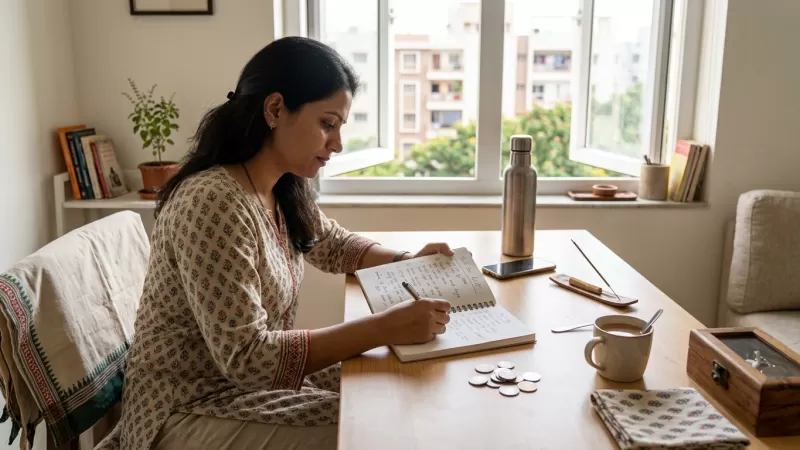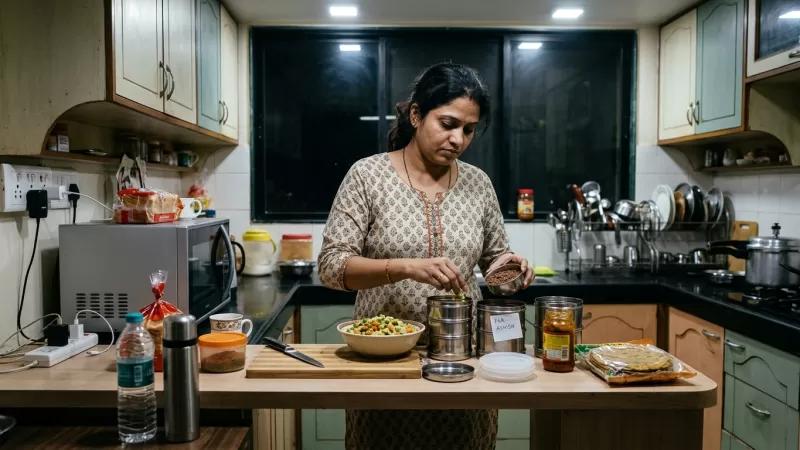
In most Indian homes, mornings rarely go as planned. The idea of a realistic morning routine Indian households can actually follow usually looks different from what is seen on social media. There’s the familiar scramble: someone’s uniform hasn’t dried despite being on the line all night, the pressure cooker is whistling away while dahi is being set for the day, and the TV is on low volume for the news while tiffin boxes are being filled.
Even in homes where everyone wants a calm start, unpredictability seems to rule. Routines that work in a quiet, single-person apartment often fall apart once you add in a child who can’t find their socks, a parent who needs their tea before they function, or the sudden power cut that throws off the geyser schedule. In these moments, a morning routine that works in India is the one that survives the chaos, not one that expects everything to go right.
Why Most "Perfect" Routines Don’t Survive in Indian Households
Trying to build an Indian morning routine that works often runs into the same old problems. In many households, routines borrowed from books or influencers simply don’t match the lived reality — especially when several people share the same space and responsibilities. There’s the grandmother who needs her morning walk, the child who wants only poha for breakfast, and the working adult whose call starts at 8:30am sharp.
Even if you plan every minute, it’s easy to get derailed. Power cuts, guests arriving unannounced, or a simple missing ingredient for chai can throw off the best-laid plans. A realistic morning routine Indian households stick with tends to have space for these interruptions. In fact, most families quietly adapt in small ways: shifting the order of tasks, letting go of the idea that everyone eats breakfast together, or keeping a backup breakfast like bread and jam ready for emergency days.
Routine collapses are not a sign of failure. They’re often just the result of trying to fit a fixed routine into a moving, unpredictable environment. The trick is making the routine flexible enough that it bends, not breaks, when things get messy.
Why Routines Fall Apart in Busy Indian Homes
There are a few reasons why an Indian morning routine building effort tends to fall apart after a week or two. For one, most routines are designed for predictability — but Indian mornings are anything but predictable. Someone might wake up late, the gas cylinder runs out, or a school bus comes five minutes early.
Another issue is that in joint families, everyone’s schedule is a little different. The teenager wants to sleep late, the senior needs their morning medicine at the same time daily, and the parent working from home might need a quiet corner by 8am. When you try to fit everyone into a single, rigid timetable, it usually falls apart.
Here’s the catch: routines that require too many steps — meditation, journaling, yoga, elaborate breakfasts — sound good in theory. In reality, they often collapse under daily pressures. Fitness coaches who train working adults often find that most movement in Indian homes comes from daily tasks, not planned exercise. The routines that last are the ones that focus on three or four practical morning habits India homes can actually maintain, even when the morning is rushed.
Clues Your Morning Routine Isn’t Working Anymore
- Everyone is always running late. If the last person leaves home stressed, it’s a sign the routine does not fit your household’s actual timings.
- Breakfast keeps getting skipped or pushed to the side. In many homes, if children or adults are regularly heading out with just tea or coffee, something in the routine might need adjustment.
- The same arguments repeat daily. Whether it’s about who gets the bathroom first, or where the keys are, repeating conflicts often point to routine gaps.
- Too many things are left half-done. Uniforms not ironed, lunchboxes forgotten, or medicine missed — these are signs a practical morning routine India style needs fewer, more reliable steps.
- Nobody wants to follow the routine anymore. If everyone is secretly skipping steps, or only one person is trying to keep the routine alive, it’s probably too demanding or unrealistic.
Small Adjustments That Make a Big Difference
- Choose three non-negotiable habits. Pick the top three morning habits worth protecting — like a proper breakfast, essential medicines, and a few calm minutes with chai. These tend to survive even on chaotic days.
- Prepare the night before. In many families, packing bags, laying out uniforms, or soaking dal in advance makes mornings less rushed. It doesn’t make everything perfect, but it takes away some pressure.
- Accept that not everyone’s routine will look the same. Grandparents might eat earlier, children later. Letting each person have their own small morning ritual often works better than forcing everyone into one schedule.
- Keep breakfast simple but consistent. Things like poha, upma, or dahi with fruit can be made quickly and are familiar. A practical morning routine India families trust often includes a fallback breakfast for days when things run late.
- Build in buffer time. Indian mornings take longer than planned, so it helps to add a 10–15 minute cushion for the unexpected — missing socks, spilled chai, or a quick phone call.
What Real Mornings Look Like in Indian Homes
A kitchen in Nagpur at 6am is hardly quiet. The ceiling fan is on full speed to cut through the early summer heat. Pressure cooker whistles compete with the sound of school shoes being polished. Dadi is already up, preparing her morning chai while muttering about the price of tomatoes. The phone alarm keeps ringing from another room, ignored for now. Someone is searching for a missing geometry box. The morning routine that works here is not the one from a planner book — it’s the one where everyone gets out the door, even if breakfast is just dahi and banana, and lunch is packed with leftovers from last night’s sabzi. Nobody expects perfection, but everyone appreciates the few steady habits that make life smoother, even on days when nothing else goes according to plan.
When to Consider Getting Some Help
Most of the time, a realistic morning routine Indian households can stick with only needs small tweaks. But if you notice that someone is missing meals regularly, feeling overwhelmed, or important medicines are often skipped, it’s worth talking to a family doctor or counselor. Sometimes an outside perspective helps you spot solutions that are hard to see from inside the daily rush.
Common Questions
It’s easy to feel like you’re the only one whose routine keeps falling apart, but the truth is, even the most organized Indian homes face surprises every morning. Let’s look at some of the most common questions families have about building a realistic morning routine Indian households can actually stick with — and how this plays out in real life.
What makes the difference between a morning routine that survives Indian household reality and one that collapses within a fortnight?
The routines that survive in Indian homes usually have only a handful of non-negotiable habits and plenty of flexibility for everything else. For example, many families in Indian cities have found that setting aside ten minutes for chai and breakfast together works far better than trying to fit in five different activities before 8am. A routine collapses quickly when it requires everyone to be perfectly coordinated or expects no interruptions from power cuts, water shortages, or last-minute school projects.
How many elements in a morning routine is the right number for a busy Indian household?
In practice, three to four core habits tend to work best for most Indian households. This might include preparing breakfast, taking necessary medicines, and checking that bags or tiffins are ready. Anything more, and the routine often gets abandoned when a morning goes sideways. The key is choosing habits that actually make life smoother for your family’s real needs, not just what sounds good on paper.
How do you build a morning routine for an Indian home where different family members have different morning schedules and needs?
Many Indian families find that allowing each person a personal mini-routine within the larger household flow helps. For example, seniors might finish their tea and prayers early, while children get extra sleep. The main routine focuses on shared needs (like breakfast or bathroom time slots), while other habits are flexible. It helps to communicate openly about everyone’s most important morning needs, and adjust as seasons and schedules change.
What are the most important two or three morning habits worth protecting even when everything else has to be flexible?
Usually, the top habits are: a simple breakfast (even dahi and fruit counts), taking any required medication, and five to ten minutes of calm — whether that’s reading the paper, sitting with chai, or enjoying quiet before the day starts. These basics tend to make the biggest difference to mood and energy, even if everything else gets dropped.
How does a morning routine need to adjust across Indian seasons when the available morning light and temperature change significantly?
During summer, families often wake up earlier to beat the heat and finish chores before it gets too warm. In winter, mornings start later or move more slowly, with everyone wanting extra time under the blanket. Breakfast options might shift — lighter meals in summer, parathas or poha in cooler weather. Morning routines that work in India usually build in enough flexibility to handle these seasonal changes, so nobody feels rushed or uncomfortable.