Falling sick, even with a simple cold or fever, seems to pause life in its tracks. In Indian homes, it’s common to stay in bed for a few days, sipping warm water, having khichdi or nimbu paani, and waiting for the worst to pass. But once the fever goes, many people—young and old—want to jump back to their regular routines. After all, there’s work, the kids, meals to cook, and endless family responsibilities. Here’s the tricky part: the body isn’t always ready for a full comeback, and often, trying to do too much too soon leads to a wave of tiredness that can feel worse than the illness itself.
Why Your Body Feels Drained After Illness
After a bout of illness, your body is still finding its balance. The muscles may feel stiff from resting, joints can be creaky, and you might notice your energy levels remain low for days—even weeks. This isn’t unusual. Many families quietly deal with this lingering weakness, especially after seasonal illnesses that come and go with the rains or winter chills.
Viral fevers, coughs, or even a tough cold can leave you drained because your body has used up energy fighting off infection. The immune system works quietly in the background, but recovery can take time. You may have lost your appetite, eaten less, or just moved very little, so your muscles and joints haven’t had their usual activity. All this adds up.
It’s tempting to get up and move around as soon as the fever is gone. But here’s the catch: pushing yourself to do heavy chores, long walks, or strenuous tasks too quickly can make you feel even weaker, sometimes dizzy or light-headed. The key is to start slow—really slow—giving your body a gentle nudge back into movement.
The Risk of Rushing Back: What Often Goes Wrong
Most people underestimate how fragile their body feels after being sick. That’s just how things are in busy Indian households—there’s always a rush to get life back to normal. But returning to heavy activity too quickly can actually set you back. You might feel:
- Sudden tiredness after a few minutes of work, like sweeping or cooking.
- Muscle soreness or joint pain, especially in the knees or back.
- Unusual breathlessness climbing stairs or walking to the market.
- Light-headedness or mild headaches, especially if you haven’t eaten much.
In many homes, elders warn against “catching a chill” or “overdoing things” after illness. There’s a reason for that. Your body’s strength returns slowly—over days, not hours. The wisest approach is to respect this slowness, even if it means leaving some chores undone or asking for help.
It’s actually very common for people to feel frustrated, especially if they’re used to being active. But taking it slow isn’t laziness—it’s self-care, and it helps you heal fully.
Why Gentle Movement Matters More Than Exercise
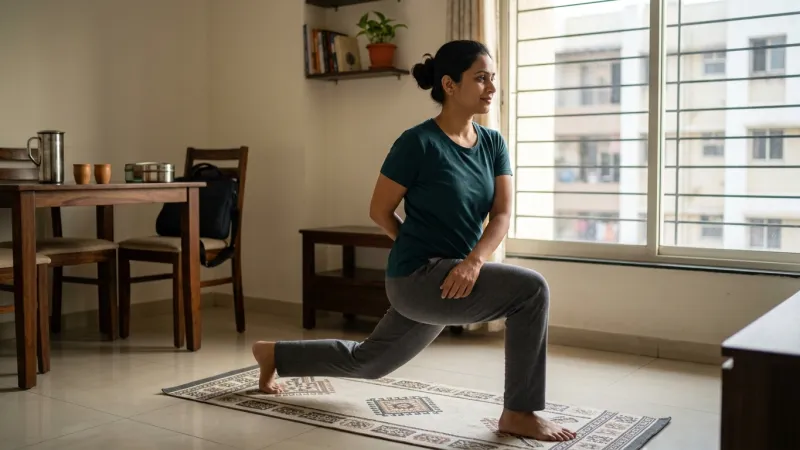
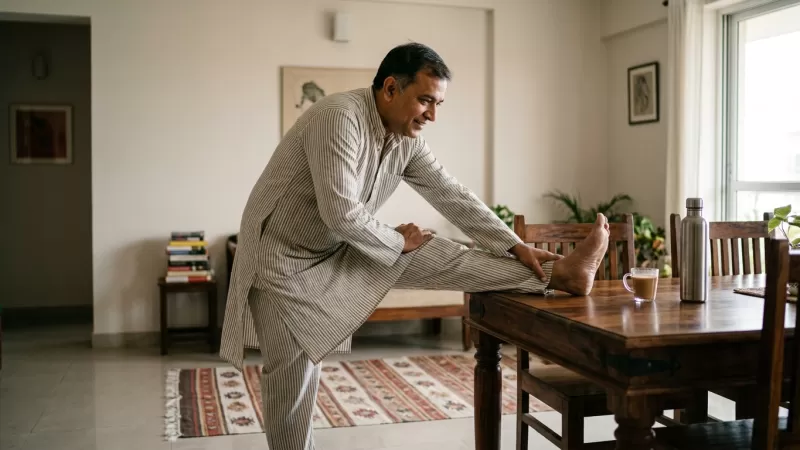
After an illness, you don’t need a workout plan. What your body needs is gentle, thoughtful movement—what many families call “stretching out” or “loosening up.” The aim isn’t to burn calories or lose weight, but simply to get your blood flowing, your joints moving, and your muscles remembering what it feels like to move again.
Even small stretches or slow walks around your home can help. These actions support circulation, help ease stiffness, and gradually bring back your comfort with movement. You might notice you get tired quickly. That’s okay.
Gentle movement is about listening to your body and stopping before you feel worn out. Think of it as coaxing your body back to life, not forcing it. This is especially important for older adults or anyone who’s been in bed for more than a couple of days.
Sometimes, just lying on the bed and moving your ankles in circles or stretching your arms overhead is enough for the first day. It doesn’t need to look impressive.
Simple Slow Movement Routines for Home Recovery
You don’t need any equipment or fancy videos to regain mobility. In fact, the most effective routines are often the simplest, using movements you already know. Here’s a basic approach you can try once you’re up and about, but still feeling weak:
- Morning Bed Stretches: Before getting up, gently stretch your arms above your head, flex your toes, and rotate your ankles. Hold each stretch for a few seconds.
- Neck Rolls: Sitting or lying down, slowly roll your neck from side to side. No rush—just let your muscles wake up.
- Seated Arm Raises: While sitting on a chair, raise your arms overhead and bring them down. Repeat this slowly a few times.
- Slow Marching in Place: If you’re able, stand and march in place for 30–60 seconds, going very slowly. Hold onto a stable surface if you feel unsteady.
- Ankle Circles and Toe Taps: These can be done sitting on the edge of the bed. Move your ankles in circles and tap your toes up and down.
Do each movement gently—never force anything. If you feel tired, pause and rest. Some days, even these small actions might feel like enough—and that’s normal.
When to Increase Activity: Signs You’re Ready
There’s no single timeline for everyone. Some people regain strength in just a couple of days, while others take a week or more. Watch for these signs that your body is ready for a little more movement:
- You can get up and move around the house without feeling faint or breathless.
- Your appetite is returning, and you’re eating your usual dal, roti, sabzi, or rice comfortably.
- The morning stiffness in your joints is gone or much less than before.
- You’re able to finish small tasks, like folding laundry or making tea, without feeling exhausted.
If these things are happening, you can slowly add a little more to your day. Maybe try a short walk on your balcony or in your corridor, or help with light household chores. The important thing is not to rush—your body will tell you when it’s ready for more.
Remember, it’s better to add small bits of activity each day instead of jumping back into everything at once.
Everyday Habits to Support Recovery
Mobility isn’t just about movement; it’s also about how you care for your whole body. In many Indian homes, these small steps can help support your recovery:
- Regular sips of warm water—this helps keep your throat comfortable and your body hydrated.
- Light, frequent meals—things like khichdi, dal rice, or simple vegetable soups are gentle on the stomach and easy to digest.
- Adequate rest—don’t feel guilty for taking an afternoon nap or going to bed early. Your body needs extra sleep after illness.
- Fresh air—open the windows, sit on the balcony, or stand near a doorway to get a bit of breeze and sunlight.
- Gentle massage—sometimes a family member’s gentle hand on your back or legs can soothe muscles and improve your mood.
These are not "remedies," but simple, time-tested comforts. They may not change things overnight, but they do help you feel cared for and supported as you regain your strength.
How to Handle Frustration and Fatigue
It’s very normal to feel impatient or even a bit down while recovering. After all, when you’re used to moving around, lying low can feel like punishment. Many people, especially homemakers and working professionals, worry about falling behind on chores or missing work. But here’s something to remember: recovery isn’t a race, and feeling tired is your body’s way of asking for more time.
Try not to compare your progress to anyone else’s, even other family members who fell ill at the same time. Everyone recovers at their own pace. It’s okay to ask for help around the house or to say no to extra work or social visits for a little while. You might notice your patience wears thin or small things feel overwhelming—again, that’s common and nothing to be ashamed of.
On hard days, focus on small wins: getting out of bed, making yourself a simple breakfast, or just sitting in the sun for a few minutes. These little acts count.
Listening to Your Body: The Most Reliable Guide
There are many tips and tricks out there, but nobody knows your body better than you do. If you feel well enough to try a little more movement, go ahead—but always keep a gentle eye on how your body responds. If you feel pain, dizziness, or deep fatigue, pull back and rest. It’s not a setback; it’s just your body asking for a slower pace.
Sometimes, family members may push you to “get up and move” or offer well-meaning advice. It's okay to explain that you’re taking things slow for a reason. In the end, your comfort and gradual return to routine matter most.
After all, the body’s wisdom is usually right.
Gentle Reminders for Everyday Indian Homes
Recovering at home in India means balancing self-care with the demands of family life. Mornings can be hectic, and evenings often stretch late with chores, homework, or catching up on work. It’s not always possible to rest as much as you’d like. That said, even small pockets of quiet, gentle movement can make a difference.
Let go of the pressure to bounce back instantly. If you need to sit while chopping vegetables or ask someone else to carry groceries, that’s perfectly fine. Most people around you understand—after all, everyone falls sick sometimes.
And remember, your body is remarkably resilient. With slow movement, patience, and a bit of help, you’ll find your way back to your usual self—one careful step at a time.