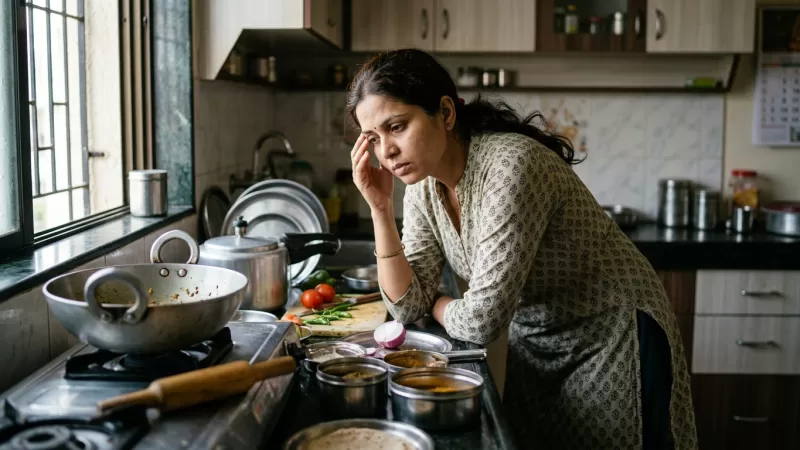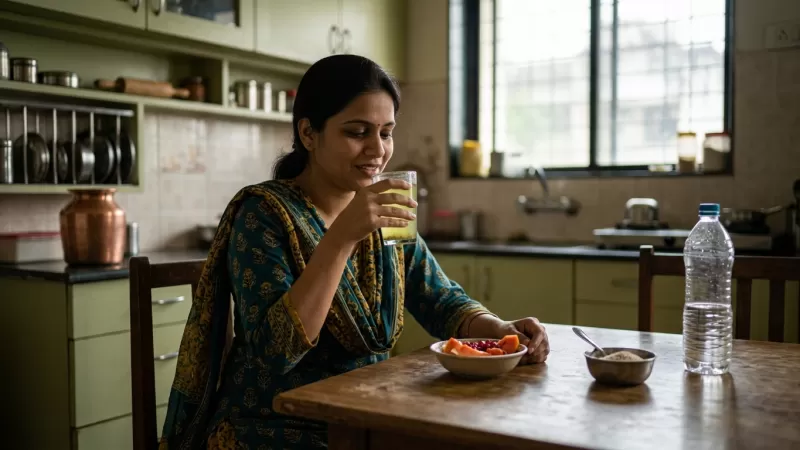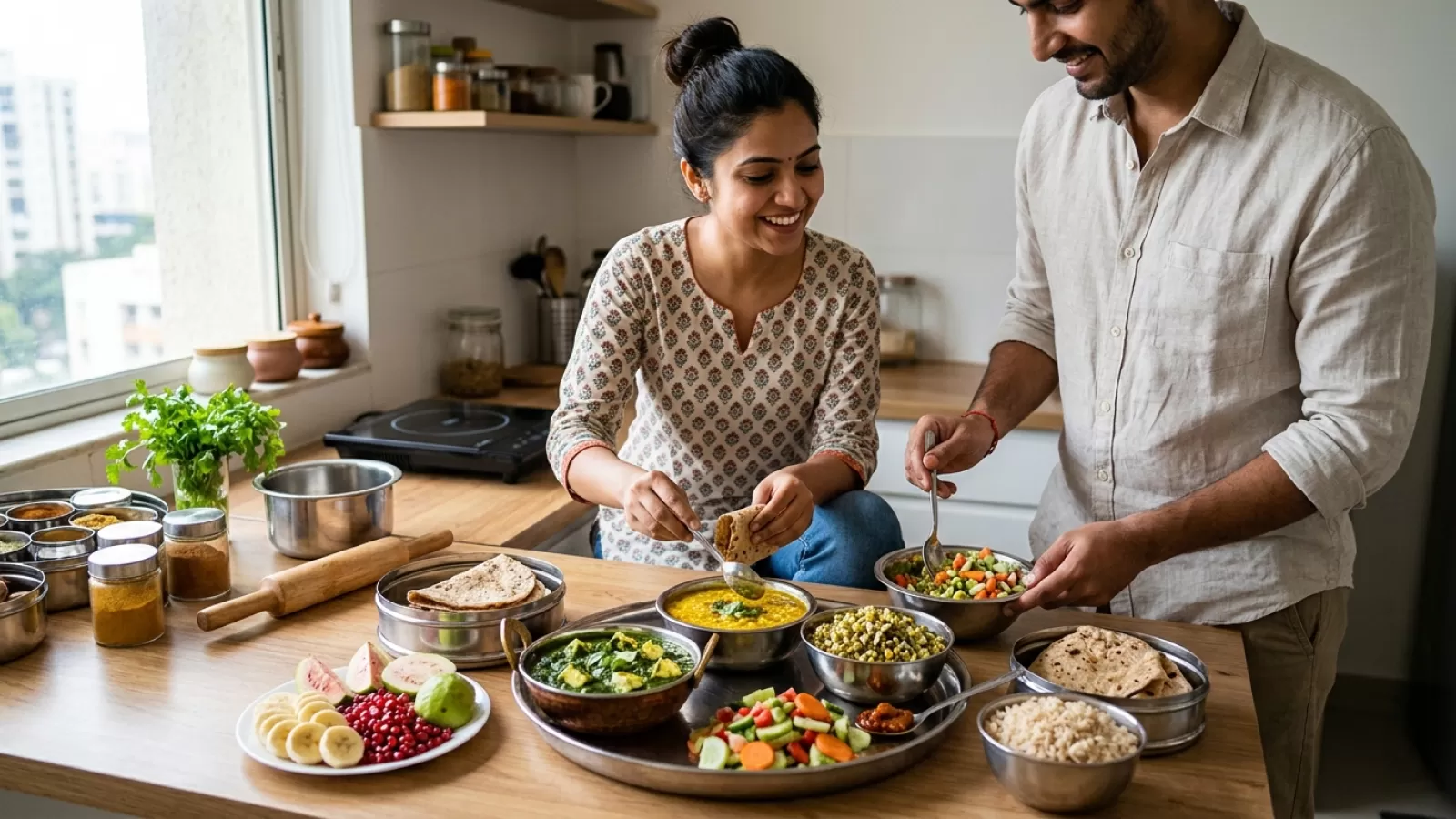
Eating well in India can feel confusing these days. There's always some new advice – eat less rice, avoid oil, skip this, add that – and somewhere in the middle, a quiet guilt starts to grow every time you reach for a second roti or a bowl of kheer. But honestly, most Indian homes already have the building blocks for good nutrition sitting on their kitchen shelves and bubbling away in their pressure cookers. The trick isn’t about making food complicated or following strict rules. It's about eating mindfully from what you know, every single day, and doing it in a way that fits real life – busy mornings, late-night dinners, festival leftovers, or just everyday routines.
Why "Healthy Eating" Feels So Difficult These Days
For many families, food has become something to worry about instead of enjoy. You hear, "Don't eat too many carbs" or "Cut out ghee completely," and suddenly normal meals like dal-chawal or paratha-sabzi start to feel wrong. The truth is, nutrition isn’t about strict dos and don’ts. It’s about balance, variety, and eating what makes sense for your body and your day.
You've probably noticed how, during festivals or family gatherings, there's less stress about "healthy" eating and more about sharing and enjoying. That’s a helpful reminder: food is also about comfort and connection, not just nutrients.
Of course, there's no harm in wanting to eat better. The challenge is not letting all the advice make you feel guilty or confused about food you’ve enjoyed for years. Small, steady changes using familiar Indian foods can go a long way.
The Everyday Power of Dal (Lentils)
Ask anyone what they had for lunch, and in many homes, dal is mentioned almost daily. There’s good reason for that. Dal—be it arhar, moong, masoor, chana, or urad—provides protein, fiber, and several vitamins and minerals. It’s also gentle on the stomach, easy to cook, and budget-friendly.
What often gets forgotten is how versatile dal can be. Some days, it’s the simplest tadka dal with jeera and hing. Other days, it might be rajma, chole, or a heavier dal makhani on the weekend. The point is, any of these, paired with rice or roti and some vegetables, forms a solid, nourishing meal.
- Mix your dals for variety—try a moong-masoor combo or add a handful of chana dal to your regular arhar.
- During the hot months, thin dal with extra water and add a squeeze of lemon for a light, hydrating lunch.
- Leftover dal can become the base for a nourishing soup or be added to atta for soft parathas.
It’s the kind of food that quietly does its job, day after day.
Don’t Underestimate Sabzi: Eating the Rainbow
Vegetables might seem boring, but in Indian kitchens, they rarely are. From lauki to bhindi, carrots to spinach, sabzi changes almost every day based on the season and what’s affordable in the market. Eating a variety of vegetables means you get different vitamins, minerals, and fiber—without needing to think about portion sizes and nutrients all the time.
Here’s the catch: It’s easy to fall into a rut, making the same 2-3 sabzis on repeat. But even small changes—adding a handful of methi to aloo, tossing some peas in poha, or grating carrots into your upma—can increase the nutrition of your meals.
- Cook with minimal oil, but don’t fear a spoonful of ghee or mustard oil, especially for tadka.
- Try steaming or lightly sautéing green leafy vegetables to keep them tender but not mushy.
- During monsoon, stick to well-cooked vegetables to avoid stomach upset.
And honestly, a colorful plate just looks and feels more inviting.
Rice, Roti, and Grains: The Right Place for Carbs
Carbs have become the villain in many dinner table conversations. But for most Indian families, rice and roti are comfort. They provide steady energy, especially when paired with dal, sabzi, or dahi. The real issue isn’t with rice or atta itself, but with how much and what else is on the plate.
Here’s a quiet truth: Most of our grandparents ate rice or roti with almost every meal, but their plates were also filled with dal, sabzi, and a small serving of achar or dahi. Balance matters more than strict avoidance.
- Try including millet rotis (like bajra or jowar) once or twice a week, especially in winter.
- Brown rice, hand-pounded rice, or even a mix of regular and brown can be a gentle upgrade if you want more fiber.
- For busy mornings, leftover rice can be turned into a quick vegetable pulao or lemon rice.
There’s no need to skip carbs. Just eat them in a way that feels right for your hunger and your routine.
Dahi and Other Fermented Foods: Gentle on the Stomach
Curd (dahi) is almost a silent hero in Indian homes. It cools the stomach during summer, pairs well with rice, and helps digestion. It’s also a source of protein and calcium, especially important for kids and seniors.
Other fermented foods like idli, dosa, dhokla, or kanji (during winter) bring their own benefits. They’re light, easy to eat, and can break the monotony of everyday meals. In recent years, with digestion issues becoming common, many families quietly rely on dahi or buttermilk to settle their stomachs after heavier meals.
- Make your own dahi at home—it's usually gentler and fresher than store-bought.
- Try buttermilk (chaas) or lassi after lunch, especially in summer.
- Pair dahi with paratha or rice for a simple, satisfying meal.
Simple, familiar, and often overlooked.
Seasonal Fruits: Sweetness Without Guilt
Fruit in India is a treat, but it’s also a sensible way to get natural sugar, fiber, and vitamins. Mangoes in summer, oranges in winter, guavas and bananas almost year-round—there’s always something in season, and eating what’s local usually means it’s fresher and less expensive.
It’s easy to overthink fruit if you listen to every piece of advice—"Don’t eat bananas," "Avoid mango if you’re diabetic," and so on. But for most people, a serving or two of seasonal fruit is just fine. The key is to eat it as a snack or as part of a meal, not as a dessert after heavy, rich foods.
- Slice up papaya or watermelon for a quick afternoon snack during hot months.
- Sprinkle a bit of black salt on guava or orange slices for a tangy twist.
- Try stewed apple or pear if raw fruit feels heavy on the stomach, especially for elders.
Fruit can be simple and satisfying, not something to feel guilty about.
Nuts, Seeds, and Simple Add-Ons
In many homes, a small fistful of roasted chana, peanuts, or soaked almonds is a regular habit. These foods are energy-dense and provide healthy fats, protein, and micronutrients in a small package. They're especially helpful for mid-morning hunger or as an evening snack with chai.
Seeds—like til (sesame), flax, or pumpkin—can be sprinkled on sabzi, in chutneys, or added to rotis. They don’t need to be eaten in huge quantities to be helpful. The key is moderation, since they're filling and can add up quickly.
- Soak almonds overnight for easier digestion.
- Add a teaspoon of roasted til seeds to salads or sabzi for crunch and calcium.
- During winter, make simple til or peanut chikki for a sweet, nourishing treat.
Small additions, quietly boosting your everyday nutrition.
Everyday Habits That Support Good Nutrition
The foods you eat matter, but how you eat and organize your meals can be just as important. In many Indian homes, routines help—set meal times, sharing food with family, and choosing home-cooked meals over takeout most days.
- Try not to skip breakfast, even if it’s just poha, upma, or a banana with chai.
- When you can, eat meals at the table (not in front of the TV or computer), so you can focus on the food.
- Keep your dinner lighter if you tend to eat late, especially after a long workday.
- Don’t be afraid to repeat simple, balanced meals during busy weeks; variety is helpful but not always possible.
And remember, feeling satisfied and comfortable after eating is as important as any nutrition rule. Food should leave you feeling nourished—not anxious or deprived.
Making Peace With Food: Gentle Steps, Familiar Foods
It’s easy to get pulled into the latest trends or feel pressured to change everything overnight. But in truth, you don’t have to give up your dal-chawal, paratha, or festival sweets to eat well. Often, a more balanced plate, a little more vegetable, a bit less oil, and regular meal times make all the difference.
If you feel lost or overwhelmed by all the advice, return to what feels familiar and comforting. Indian food, in its simplest form, has always offered balance—dal, sabzi, rice or roti, a bit of dahi, and fruit. Trust that, most days, eating this way gives your body the gentle support it needs.
And that’s something worth holding onto.