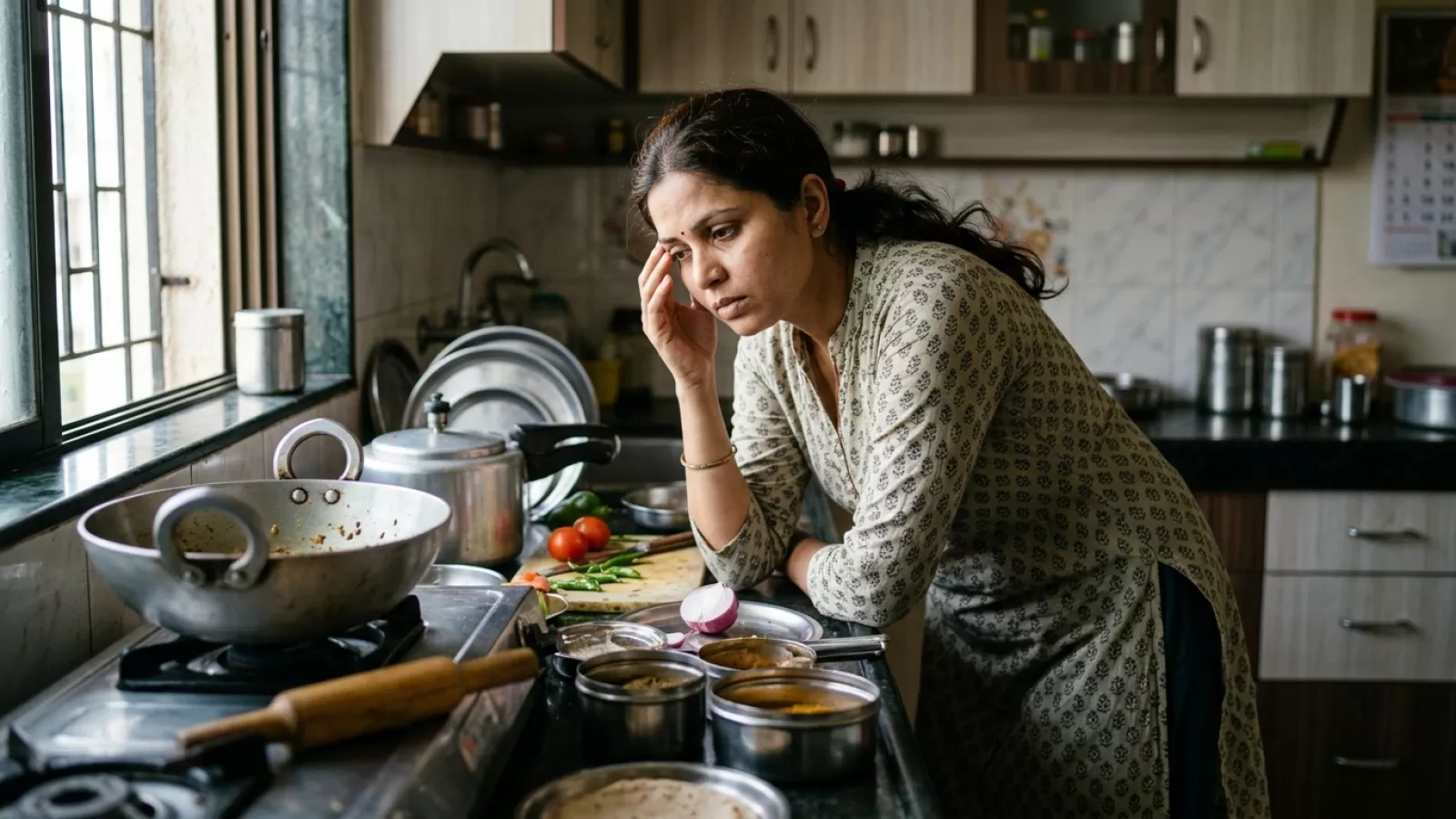
If you often find yourself sighing at the thought of what to cook next, you’re not alone. In many Indian homes, daily cooking sometimes feels endless—especially if you manage kids, elders, work calls, or even just your own energy. Making sure everyone eats well, and the food tastes like “home”, can leave you stretched thin. People rarely talk about the quiet exhaustion that builds up in kitchens across the country, but it’s real. Let’s look at gentle, practical ways to simplify meal prep, while still holding on to the flavours and routines that make your family’s food feel comforting.
Why Daily Cooking Feels So Draining
There’s a certain rhythm to Indian kitchens—pressure cookers whistling, tadka sizzling, and the rush to get everything ready before the next thing demands your attention. These days, many families have both parents working, young adults living alone, or elders managing meals for everyone. The repetitive nature of chopping, cleaning, and cooking—day after day—can really wear you out.
It’s not just physical tiredness. Decision fatigue (that endless “what to cook today?”) is a big part of the stress. Add to that the effort to meet everyone’s preferences—one likes less spice, another wants only roti, someone else avoids rice in the evenings—and it gets even trickier.
Sometimes you may end up reaching for packaged foods, ordering in, or just repeating the same dishes until even your favourite dal feels boring. That’s normal in many homes, but it doesn’t have to be your only option.
Start With a Simple Weekly Meal Plan
Here’s the catch: Meal planning sounds like extra work, but it actually saves time and mental energy in the long run. Instead of waking up and wondering, you can look at a simple plan you set on Sunday evening and just get on with it.
It doesn’t have to be fancy or rigid—just jot down 5-6 main dishes your family usually enjoys, and rotate them through the week. Try picking basic combinations (dal-chawal, roti-sabzi, khichdi-curd, pulao-raita) and allow for one or two “free” days, when you might use leftovers or order something modest.
- Keep a rough list on the fridge or in a notebook you already use for grocery lists.
- Let family members add a favourite, so everyone feels heard.
- Be flexible—if you’re too tired one day, swap meals around. No one’s checking.
After a few weeks, you’ll notice less stress around decision-making. The routine itself starts to bring a quiet sense of control.
Batch Prep Is Your Friend—But Keep It Realistic
Batch cooking isn’t about turning your kitchen into a factory. It’s about doing small, sensible things in advance, whenever you have a spare half hour (often Sunday afternoons, or after dinner when the kitchen is already a little messy).
In many households, some form of batch prep already happens—like making extra dal for the next day, or chopping onions and tomatoes for the morning. The trick is to do just enough to reduce your next day’s load, without cluttering your fridge or making food taste stale.
- Chop and store basic veggies (onions, tomatoes, carrots, beans) for 2–3 days in small containers.
- Boil potatoes or soak dals in advance. They keep well and speed up meal prep.
- Make a big batch of ginger-garlic paste and freeze in small portions.
- Knead extra dough in the evening and refrigerate for next morning’s rotis.
It rarely works perfectly, but even saving 10–15 minutes a day can feel like a small relief.
Embrace One-Pot and Minimalist Meals
There’s something quietly comforting about a one-pot meal at the end of a long day. Khichdi, pulao, vegetable stew, or even a simple dal with some rice or millets—these are not just easy, but also gentle on the stomach and don’t create piles of utensils to wash.
Some families worry that simple meals aren’t “enough” or don’t feel festive. But honestly, on most weekdays, nobody expects a five-course thali. A warm khichdi with a dollop of ghee, some papad, or a salad on the side, often makes a perfectly satisfying dinner.
If you’re short on time, you can try:
- Pressure cooker pulao with whatever vegetables are on hand.
- Moong dal khichdi, topped with roasted peanuts for crunch.
- Besan chilla (gram flour pancakes) with curd and chutney.
- Curd rice with a quick tadka and pickle.
Less can be more, especially when everyone’s tired or during the hot months when heavy meals just don’t feel right.
Make Peace With Leftovers (And Use Them Well)
In many Indian families, there’s an unspoken pressure to serve “fresh” food at every meal. But plenty of dishes actually taste better the next day—think rajma, chole, or even some sabzis. Learning to use leftovers creatively can save time, money, and energy.
Instead of seeing leftovers as a compromise, consider them part of your strategy. There’s quiet pride in turning yesterday’s sabzi into a paratha filling, or leftover rice into lemon rice for a quick breakfast.
- Mix leftover dal with flour and herbs to make soft parathas.
- Use extra dry sabzi in sandwiches or wraps for lunchboxes.
- Transform plain rice into a quick fried rice with some tadka and vegetables.
Not everything will be a “hit”, but most families adapt, and sometimes these experiments become new favourites.
Tidy Up Your Kitchen Tools and Storage
Many people quietly deal with crowded kitchen shelves or drawers that make simple cooking feel complicated. When you spend five minutes searching for a peeler or the right pressure cooker lid, it adds to the stress.
Set aside a little time (maybe during a weekend phone call or while waiting for the cooker) to put commonly-used items within easy reach. Keep chopping boards, knives, and pans you use daily on one shelf. Store spices you need most often in a small tray or masala box, rather than hunting through jars every day.
- Donate or store away rarely used gadgets and utensils.
- Label containers for grains, dals, and masalas if you live with others—less confusion, fewer spills.
- Keep a small basket for onions, potatoes, and garlic near your work area.
Tidying up isn’t about creating a magazine-perfect kitchen. It’s just about making your daily work a little smoother.
Share the Load, Even in Small Ways
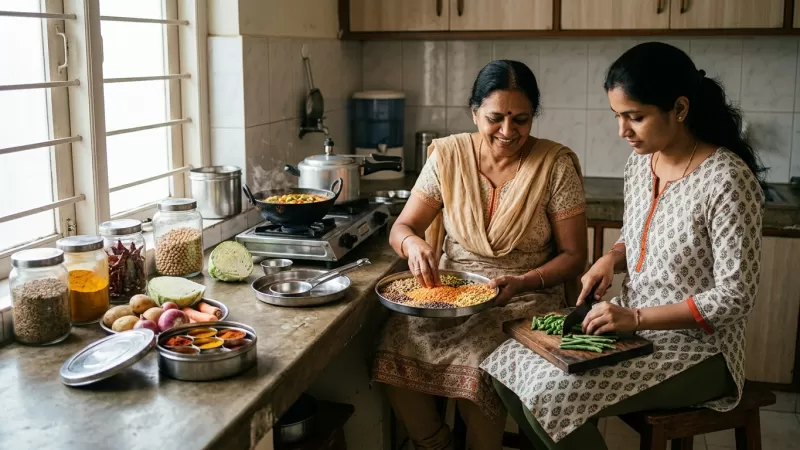
Here’s something you’ve probably noticed: In many homes, cooking falls to one person (usually the woman), even when everyone else is just as busy. Sharing the load doesn’t always mean big gestures. Small, regular help—like setting the table, chopping veggies, or washing up—makes a real difference.
If you live with family, try assigning a daily or weekly “helper”. Even kids or elders can pitch in with simple tasks. If you live alone, consider cooking together (virtually) with a friend or relative on video calls. It adds a little fun and breaks up the monotony.
On days when you’re just too tired, let the family know. It’s okay to have a “make your own dinner” night once in a while. These small changes add up and reduce that heavy feeling of doing everything alone.
Be Kind to Yourself About Shortcuts
There’s no prize for suffering through exhaustion just to maintain a perfect kitchen routine. It’s normal to use store-bought rotis, frozen veggies, or ready-made chutneys sometimes, especially during busy seasons or after a long workday.
Your family’s health and happiness come from many places—not just a perfectly cooked, fresh meal every day. If using a shortcut lets you sit down with your tea or spend five extra minutes with your kids or parents, it’s worth it.
Most of all, remember: Good enough is usually more than enough.
Some days will feel easier, some days not. But small, thoughtful changes to your routine can make daily cooking less of a burden and more of a quiet, manageable comfort in your home.