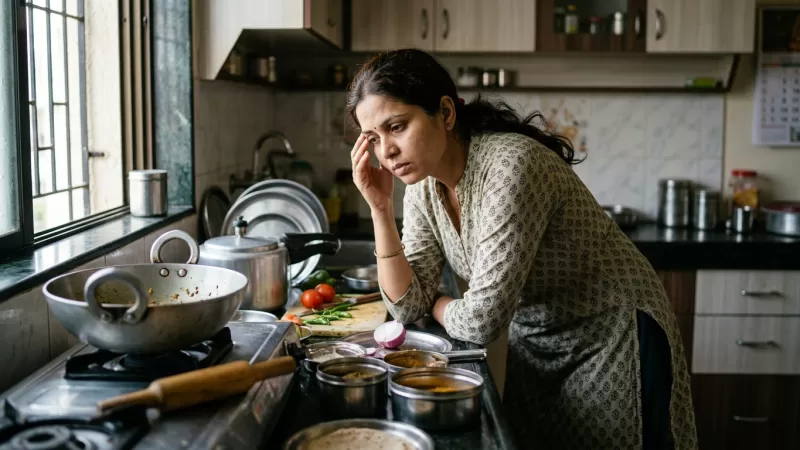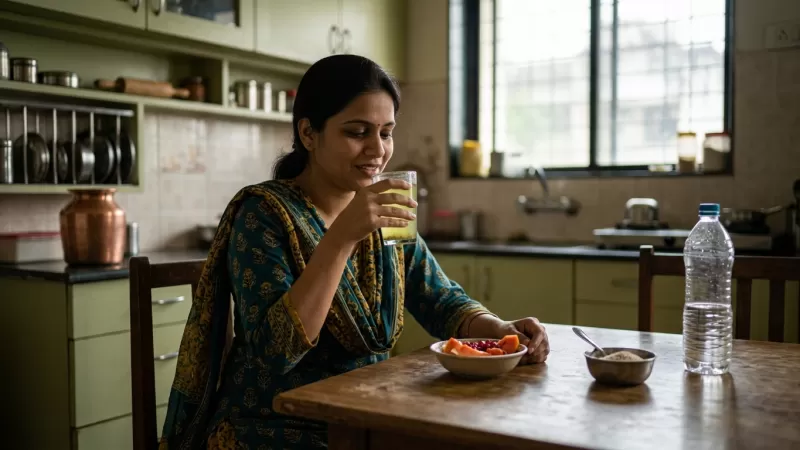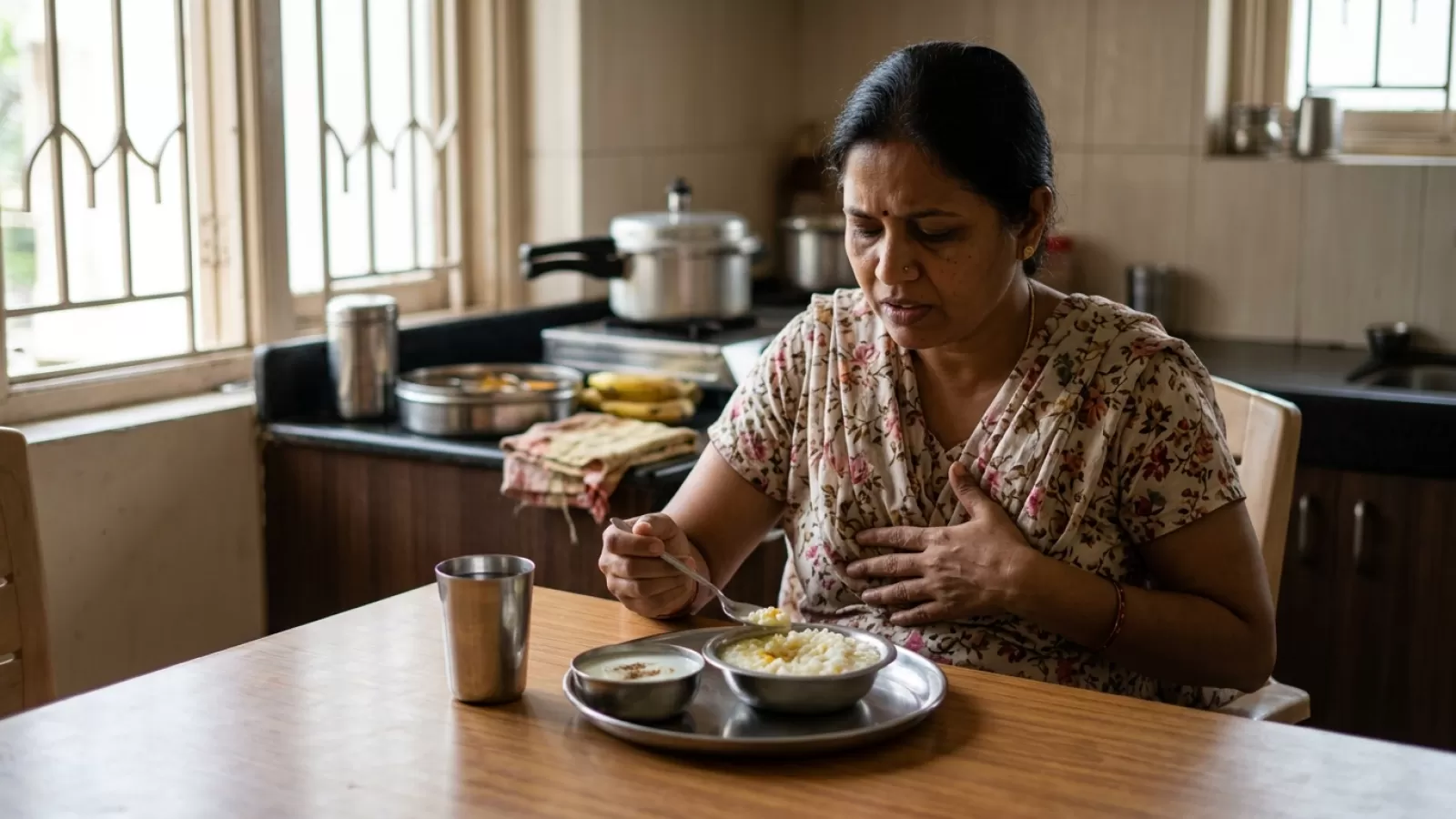
Some mornings, your stomach just feels off. Maybe there’s a dull ache, a bit of heaviness, or you’re just not hungry after a late-night dinner. In many Indian homes, this is a familiar story—especially after festivals, travel, or a week of eating outside food. But skipping breakfast rarely helps. Your body still needs gentle, steady energy to get going, especially if you have a busy day ahead.
Why Mornings Can Be Tricky for Your Stomach
Most people expect to wake up hungry, but that’s not always how it goes. Some find their stomach unsettled after a late dinner of heavy sabzi and rice, or because of stress from work or family obligations. Others notice it more during the hot, humid months when sleep is disturbed and digestion feels sluggish. The truth is, our stomachs often need a little patience in the morning.
When your digestive system is slow to wake up, big or spicy breakfasts can backfire. You might end up with more discomfort—acidity, bloating, or just a sense of unease that lingers through the morning.
So what helps? Usually, it’s about starting with small, light meals and picking foods your body already knows well. Familiarity matters. And so does routine.
Habit 1: Start with a Sip, Not a Meal
It’s tempting to reach for chai or coffee right after waking up, especially in Indian homes where the morning routine almost revolves around that first cup. But if your stomach is upset, a gentler start can make a difference.
- Lukewarm water: A glass of plain, slightly warm water tends to be soothing. You can add a few drops of lemon if it suits you, but don’t force it.
- Jeera or saunf water: Some families make a habit of boiling a pinch of cumin or fennel seeds in water. It’s mild and often feels comforting.
- Skip the strong tea or coffee: At least wait until your stomach settles. Strong, milky tea can sometimes make things worse on an empty, upset stomach.
This first sip isn’t a magic fix, but it does signal to your body that the day has begun. You’ve probably noticed this small step often helps you feel a bit more ready for food.
Habit 2: Keep Breakfast Small (and Familiar)
On days when your stomach feels uneasy, there’s no need to force a full meal right away. Many families keep breakfast light after late nights or travel. You might see someone nibbling on a bit of toast, a banana, or a small bowl of dahi (curd) instead of a full plate.
Gentle, familiar foods tend to work best. Here are some ideas:
- Plain roti or toast: Easy to digest and not too heavy. Avoid too much butter or pickle.
- Banana: Soft and soothing for many people, especially when ripe.
- Curd or chaas: A few spoonfuls of plain curd (not too sour) or a glass of mildly salted buttermilk can feel calming.
- Rice kanji (rice water): In some South Indian homes, watery rice kanji is a go-to option for delicate mornings.
Here’s the catch: don’t try to ‘make up’ for a missed meal by eating extra later. Gentle, steady eating helps your system recover faster than one big, heavy breakfast.
Habit 3: Avoid Overly Spicy or Oily Foods
Sometimes, the foods we love most—like poha with extra tadka, leftover chole, or aloo paratha with pickle—are exactly what our stomachs can’t handle first thing. Spices and oil, especially when reheated, can irritate an already unsettled stomach.
It’s not about banning all flavor. It’s about going easy on chillies, garam masala, and heavy tadkas. If you cook breakfast at home, try these gentle tweaks:
- Use minimal oil for upma, poha, or dalia.
- Skip raw onions and green chillies for a day or two.
- Steamed or boiled foods (like idli or plain suji upma) are often easier to digest.
You’ll find your stomach thanks you for simple, less oily meals, especially after a spell of rich or spicy eating.
Habit 4: Mind the Timing—Don’t Rush
Busy mornings in Indian homes can be a blur—packing school tiffins, prepping lunch, logging in to work calls. It’s easy to gulp down whatever’s handy, or worse, skip breakfast altogether. But eating in a hurry often makes things worse if your stomach is already unhappy.
If possible, sit down (even for five minutes), breathe, and eat slowly. You don’t need a formal breakfast table. Even a quiet moment by the kitchen window can help.
Some gentle reminders:
- Chew slowly—even soft foods. Let your body catch up.
- Try not to pair eating with phone scrolling or TV news. Distraction sometimes leads to eating more than you need.
- If you’re not hungry at all, it’s okay to wait 30–60 minutes before eating. Listen to your body’s signals.
It sounds simple, but many families quietly deal with the stress of rushed mornings. A slower start, when possible, helps digestion work better throughout the day.
Habit 5: Choose Probiotics and Prebiotics Gently
There’s a lot of talk these days about probiotics—for good reason. Foods like curd, chaas, and homemade pickles (in moderation) tend to help the gut, but only when your stomach is ready for them.
In many Indian homes, a little curd with breakfast has been a tradition for generations. The key is to keep it plain—not too sour or spicy, and definitely not store-bought flavored yogurt which can sometimes have more sugar than benefit.
- Homemade curd: Just a couple of spoonfuls, eaten slowly.
- Soaked methi seeds: Some elders like to soak a tiny pinch of fenugreek seeds overnight and have them with water in the morning. It’s gentle and traditional, but not for everyone.
- Fruits like banana or papaya: These act as mild prebiotics and are easy on the stomach.
That said, if you find even curd or buttermilk causes discomfort, it’s best to skip them for a day or two and stick to plainer foods. Every stomach is a bit different.
When in Doubt, Follow the ‘Less is More’ Approach
It’s easy to feel confused when nothing seems to sit right in the morning. Some days, even the gentlest foods cause discomfort. In these situations, there’s no need to force a full meal.
The ‘less is more’ approach often works: start with a small portion, see how you feel, and eat a little more only if your stomach agrees. This might mean just a few bites of roti and curd, or half a banana, followed by water or herbal tea an hour later.
On such days, many people find that having small, frequent meals (rather than three big ones) is easier on their system. There’s no perfect formula—just gentle observation and adjustment.
Sometimes, it’s okay to keep breakfast almost snack-sized, especially during hot summers or after a night of poor sleep.
What About Common Indian Breakfast Dishes?
Each family has its own favorites. Idli, poha, upma, dalia, paratha—these are all familiar, comforting foods. But when your stomach is upset, some are better choices than others.
- Idli: Soft, steamed, and mild—usually a safe bet. Avoid spicy chutneys or heavy sambar on sensitive days.
- Poha/upma: If made with less oil and spice, both are gentle. You can pair them with plain curd or just a little ghee.
- Dalia (broken wheat porridge): Mild and filling. Skip the tadka if your stomach is really upset.
- Paratha: Go easy on oil and fillings. A plain roti is usually lighter than a stuffed paratha.
You’ll notice that on days when digestion feels off, most people naturally gravitate toward the simplest versions of these dishes.
Listening to Your Body—and Adjusting as Needed
There’s no need to feel guilty about eating less, or differently, when your stomach is upset. Healthy routines are about adjusting to your needs, not forcing a fixed plan every single day.
Some mornings will be easier than others. If you find that your stomach often feels unsettled, it might help to keep a small list of foods that usually agree with you. Over time, you’ll start noticing patterns—maybe you tolerate idli better than poha, or you prefer warm water over buttermilk in the summer.
And if a few gentle habits don’t help, or you notice pain, severe discomfort, or ongoing issues, it’s always wise to talk to someone you trust, like a family member or your local doctor. Sometimes, a little rest and care at home is all you need.
In the end, your body knows best. Gentle, patient eating in the morning can make the rest of your day a little bit smoother.